Accommodation and Attractions in Cape Town: Planning a Memorable Stay
Cape Town, set between the Atlantic Ocean and the iconic Table Mountain, offers a rich mix of self-catering stays, guesthouses, hotels and lodges to suit all budgets and travel styles. Whether you favour a chic urban base in the City Bowl, a coastal retreat with sea views in Camps Bay, or a tranquil escape in Constantia’s wine lands, planning ahead helps you make the most of your time in this diverse city.
When choosing where to stay, consider access and convenience as much as style. The City Bowl and nearby central suburbs are ideal for first-time visitors who want to walk to multiple attractions, restaurants and nightlife. If you prefer beachside evenings and a more relaxed pace, seaside neighbourhoods such as Camps Bay, Clifton and Sea Point offer easy access to the coastline and longer coastal walks. For a wine-and-nature blend, Constantia Valley is perfect, with many self-catering and boutique options set among green hills and historic estates. For families and longer stays, self-catering apartments and wellness-focused lodges in leafy suburbs provide flexibility and comfort.
Typical amenities to look for when booking in Cape Town include reliable Wi‑Fi, a well-equipped kitchen or kitchenette, private parking or easy parking access, and good security. A comfortable lounge area, air conditioning or heating, and in some cases a pool or outdoor space can significantly improve a stay, especially during peak seasons. If you plan to cook most meals, ensure the kitchen is stocked with essentials, including a fridge, stove, oven, and sufficient cookware. For families or groups, consider properties with separate bedrooms and flexible sleeping arrangements. If you rely on public transport, check proximity to MyCiTi bus stops or taxi-hailing options, and whether the property offers shuttle services or easy access to major routes to Cape Point, Constantia, and the Cape Winelands.
Practical planning tips include booking well in advance for peak periods (South Africa’s summer is from December to February). Shoulder seasons—late spring (October to November) and early autumn (March to April)—often offer milder weather, fewer crowds and more availability. Pack layers for variable weather, as Cape Town can be sunny and warm by day but chilly in the evenings, particularly near the coast or on Table Mountain. If you’re visiting Table Mountain, plan for the possibility of cloud cover—the famous “tablecloth” can obscure the summit, so allocate flexible time for modern cable-car rides or guided viewpoints.
Getting around Cape Town is increasingly straightforward, though many visitors still rely on cars or ride-hailing apps to maximise time. The MyCiTi bus system provides a convenient, affordable option for city centre and coastal routes, while some guesthouses and self-catering properties offer parking or shuttle services. Biking is popular in coastal areas and urban parks, but keep an eye on safety and weather. For those exploring beyond the city, day trips to the Cape Point Nature Reserve, Boulders Beach penguin colony, and the Cape Winelands are rewarding; many tours depart from central Cape Town or nearby hubs and can be booked through hotels or specialised operators. If you enjoy hiking, there are trails suitable for all levels around Table Mountain, Signal Hill, and the surrounding hills with panoramic views of the harbour and Atlantic coastline.
As for places to visit, Cape Town’s attractions span natural beauty, history and culture. Iconic sights include the flat-topped mountaintop that dominates the skyline, a vibrant waterfront district with theatres and museums, and historic districts that trace the city’s diverse heritage. Outdoor enthusiasts can enjoy sea swims, coastal walks, or the rugged scenery of Cape Point. On the culinary side, the city’s restaurant scene ranges from informal market stalls and beachfront eateries to contemporary fine dining, with many establishments emphasising local produce, seafood and seasonal flavours. For a memorable day out, consider a guided walk through a historic district, a harbour excursion, or a visit to nearby nature reserves and botanical gardens.
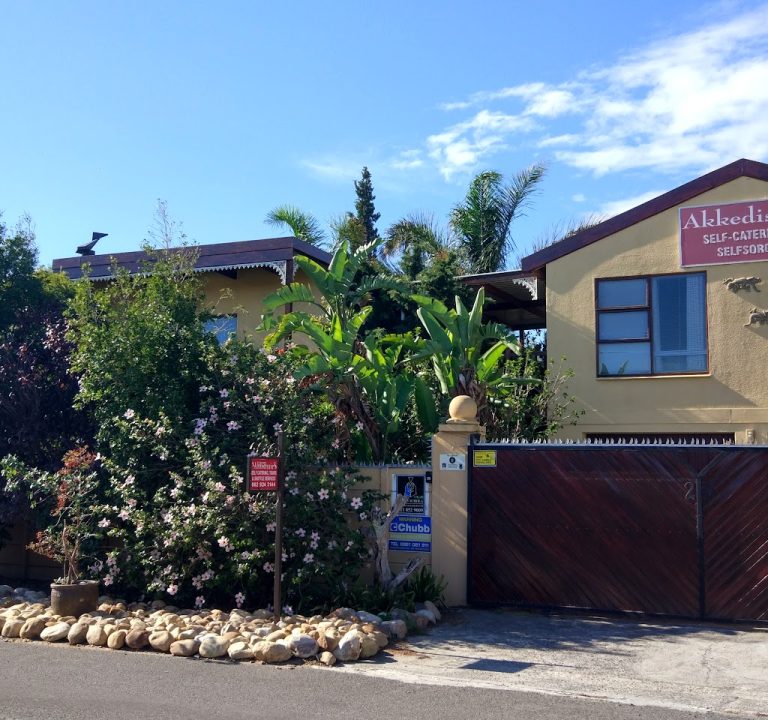
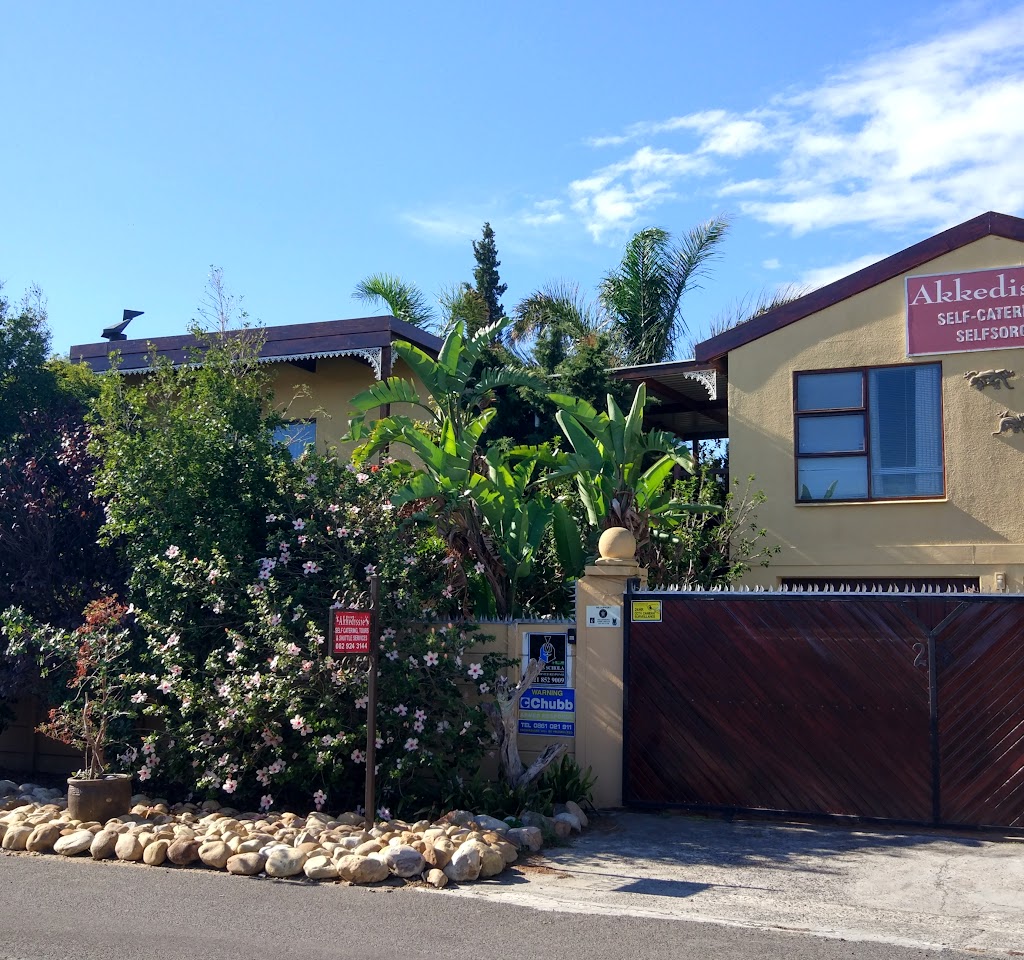
Accommodation examples cater to a range of preferences. For guests seeking self-catering options, a stay such as Akkedissie Self Catering provides a practical base with independent living spaces, enabling you to plan meals around your itinerary. You can learn more about such options on their official website: Akkedissie Self Catering. Other popular choices include centrally located apartments with kitchen facilities, boutique guesthouses with personalised service, and villas with sea views or mountain access. When researching, consider the neighbourhood’s atmosphere, distance to your planned activities, and the flexibility of check-in and check-out times.
- City Bowl and Green Point: close to museums, markets, waterfront walks, and restaurants
- Camps Bay and Clifton: beach access, sunset scenery, upscale dining nearby
- Constantia: tranquil vineyards, easy day trips to Stellenbosch and Franschhoek
- Sea Point and De Waterkant: promenade strolls, easy transport links, vibrant eateries
In sum, Cape Town offers a broad spectrum of places to stay, all with easy access to extraordinary scenery and experiences. When planning, balance your passion for adventure with practical considerations—where you want to eat, how you’ll move around, and how long you’d like to linger in each area. With thoughtful planning and a flexible approach, your Cape Town visit can combine comfortable accommodation, spectacular landscapes, and memorable dining and experiences without overstretching your schedule.