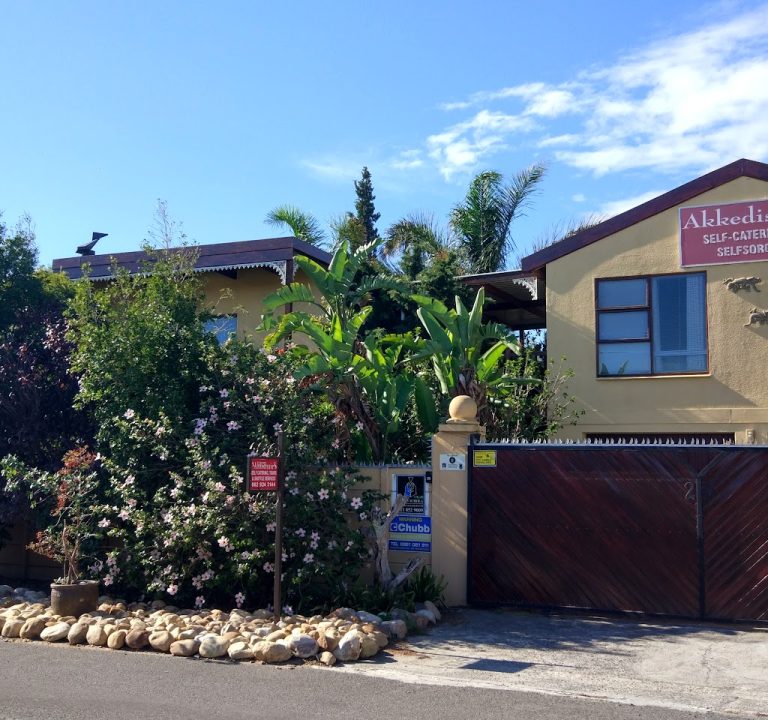
Accommodation and Experiences in Cape Town: Where to Stay and What to Do
Cape Town is a city of striking contrasts, where sea meets mountain and history intersects with modernisation. When planning a stay, consider neighbourhoods that suit your priorities—be it dramatic coastal scenery, convenient city access, or a quiet hillside escape. Options range from stylish hotels and boutique guesthouses to self-catering apartments and grand guesthouses. A standout example is Sunset Beach House, a hotel-style stay that can anchor your trip with a beachfront setting and easy access to both city and seaside adventures.
City centre and the vibrant inner suburbs offer easy access to cultural institutions, museums, galleries, and a sharp café and dining scene. The historic Bo-Kaap adds colour and story, while the nearby Company’s Garden provides a peaceful green corridor in the heart of the urban rhythm. For harbour views and a cosmopolitan atmosphere, the V&A Waterfront area blends shopping, eateries and excursions with a scenic backdrop of Table Mountain. If you prefer a coastal vibe with glamour and space, Atlantic Seaboard neighbourhoods such as Camps Bay and Clifton deliver sweeping ocean vistas and a laid-back trendiness, while Green Point offers a balanced mix of walkability and green space.
When choosing where to stay, think about accessibility to the main routes and transport links. The MyCiTi bus network is convenient for city-centre to northern suburbs trips, while Uber and other ride-hailing services are widely used. If you plan to explore beyond Cape Town, you may wish to hire a car for day trips to the Cape Peninsula, coastal towns, or wine regions such as Constantia and Stellenbosch. Some hotels and guesthouses include parking, while others are happy to arrange secure, nearby options.
Typical accommodation offerings in Cape Town span:
- Hotel-style properties with concierge services, daily housekeeping, and on-site dining
- Boutique guesthouses featuring personalised service, intimate common spaces, and seasonal breakfasts
- Self-catering apartments or villas with kitchen facilities for longer stays
- Bed-and-breakfast establishments that pair a simple room with a hearty morning meal
- Lodges and eco-conscious retreats in hillside areas offering quiet, nature-friendly settings
When booking, look for practical amenities that support a comfortable stay. Free or reliable Wi‑Fi is essential for planning daily activities, while an en-suite bathroom, adequate storage, and good lighting make a room feel more spacious. Consider whether you’ll need on-site dining, or if you prefer self-catering options with a neighbourhood kitchen. A thoughtful touch is a well-equipped kitchenette or minibar, and an in-room safe for valuables. Accessibility features and air conditioning or fans can also influence comfort, especially in warmer seasons. If you’re visiting during peak travel months, seek properties with flexible cancellation policies and a deposit that suits your budgeting.
In terms of planning, know that Cape Town experiences a Mediterranean climate with dry summers. The best weather often occurs from late spring to early autumn (roughly October through April), when days are long and outdoor activities are most enjoyable. However, shoulder seasons can be excellent for smaller crowds and milder temperatures. If your itinerary includes outdoor experiences—such as hiking Table Mountain, visiting Cape Point, or touring vineyards—plan for changing conditions and pack clothing for layers, sun protection, and a lightweight rain jacket.
Activities and experiences to consider during a stay include iconic natural landmarks, scenic drives, and culinary explorations. A trip to the top of Table Mountain or a guided walk can provide panoramic views of the Atlantic coast. A harbour cruise or a boat trip to the Cape of Good Hope is often highlights for visitors, while the botanical splendour of Kirstenbosch National Botanical Garden offers shade, trails and seasonal highlights. In the evenings, the city’s dining scene ranges from casual bistros to refined restaurants, with seafood and regional produce frequently featuring on menus. Many properties can recommend trusted local operators for wine-tasting tours in nearby Constantia or the nearby vine corridors.
Plan ahead for practical logistics: fresh sea air and outdoor activities are best enjoyed with sunscreen and hydration, especially when spending extended time outdoors. Public transport is improving, but it is not always the fastest option for sightseeing across a spread-out city. Budget time for travel between beaches, viewpoints, and the city’s cultural hubs, and build in leisure pauses to absorb the scenery and the atmosphere. For those seeking a balanced itinerary, mix a couple of coastal days with a couple of city-based days, and reserve a wine-tasting afternoon or sunset drive for a memorable finish.
To learn more about Cape Town’s accommodation and area-specific tips, you can explore official tourism information and hotel partner websites. Whether you choose a polished hotel with sea-facing views, a cosy boutique guesthouse in a historic precinct, or a self-contained apartment near the waterfront, Cape Town offers a welcoming base to explore the Cape Peninsula, the mountains, and the winelands that surround this remarkable city. For ideas on where to stay in Sunset Beach, or to browse other options, consult reputable travel sites and the city’s tourism pages to tailor your plan to your interests and budget.