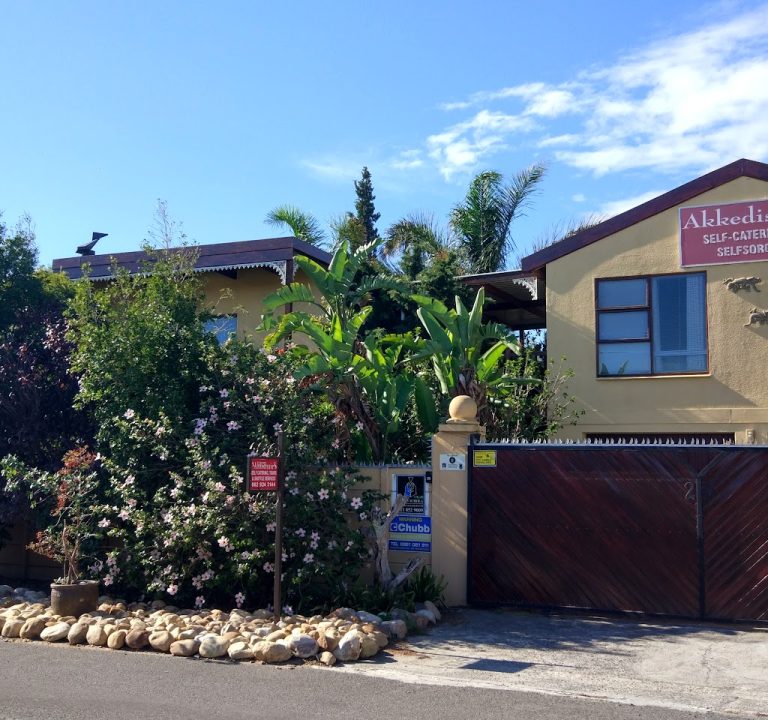
Accommodation and Experiences in Cape Town: Where to Stay and What to Do
Cape Town blends dramatic scenery with a vibrant urban scene, making it a popular choice for travellers seeking a mix of natural beauty, culture and easy access to world-class facilities. When planning a stay, consider the area that best matches your interests, budget and pace. From leafy Constantia with its wine estates to the cosmopolitan shores of the Atlantic Seaboard, and the historic streets of the City Bowl, each neighbourhood offers a distinct flavour and a different pace of life.
Where to stay matters as much as how you travel around. If you want easy access to beaches, stunning viewpoints, and lively seaside dining, consider the Atlantic Seaboard, including areas such as Camps Bay and Clifton, where many accommodation options come with sea views and outdoor spaces. For a quieter, more residential feel with convenient access to the city’s cultural attractions, the City Bowl (particularly de Waterkant/Green Point and Gardens) can be ideal. For wine lovers and those seeking a slower pace, Constantia or the neighbourhoods along the False Bay coast provide self-catering cottages and guesthouses embedded in verdant surroundings.
Typical amenities you may encounter include self-catering facilities, private patios or balconies, free Wi-Fi, secure parking, and access to communal gardens or terraces. Many properties offer kitchenettes or full kitchens, making short breaks or longer stays comfortable for families and groups. A view of the ocean, mountain, or harbour adds considerable appeal, but it may come with a premium. Read guest reviews carefully for details on noise levels, cleanliness, and the practicality of access for stairs or elevators, especially in older buildings.
Planning smart transport can transform a stay. Cape Town’s main sights are scattered, so you’ll benefit from a plan that blends self-drive with public transport or dependable ride-hailing options. The MyCiTi bus network covers many major routes, including links to the V&A Waterfront, the city centre, and major beaches. Renting a car offers flexibility for day trips to the Cape Winelands, the Cape of Good Hope, or penguin-viewing stops along the coast, but remember that parking can be limited in busy areas. If you prefer not to drive, many guesthouses and hotels organise shuttle services or local tours. Proximity to a reputable transport hub can save time and reduce the stress of navigating the steep, hilly streets that Cape Town is known for.
Best time to visit Cape Town depends on the experiences you seek. The spring months (September to November) and autumn (February to April) offer mild weather and reliable outdoor conditions, ideal for hiking, harbour cruises, and outdoor dining. Summer (December to February) brings warmer days and busier waterfronts, with long daylight hours, making it a lively period with plenty of terrace seating and markets. Winter (June to August) is cooler and wetter, but it can be a good time to enjoy cosy cafes, wine estates with indoor experiences, and fewer crowds. Pack layers, including a warm jacket for evenings, and be prepared for quick weather changes in the mountains or along the coast.
When selecting accommodation, think about accessibility to activities you want to prioritise. If you plan a lot of outdoor exploration, a base near Table Mountain, the Atlantic beaches, or the harbour can reduce daily transit times. If cuisine and culture top your list, staying near the city centre or the historic bohemian districts can place you within easy reach of galleries, markets, and a wide array of dining options without long commutes.
Attractions and experiences to consider are both iconic and more relaxed. In the natural realm, a cable car ride up Table Mountain offers panoramic views and a memorable introduction to the city’s geography. The nearby coastal reserves provide chances for scenic walks and wildlife spotting. In the city, cultural centres, museums, and the historic streets offer insight into South Africa’s rich heritage. For a taste of local life, explore markets and street food scenes near the harbour or in neighbourhoods known for colourful architecture and music. Dining ranges from casual seafood shacks to refined contemporary cuisine, with many venues emphasising seasonal and locally sourced ingredients. If you are seeking a balanced itinerary, plan a day along the coast for beach time, followed by a sunset viewpoint and a relaxed dinner in the inner city or a wine estate visit in the nearby winelands region.
Practical tips to make the most of your stay:
- Confirm parking arrangements if you are bringing a vehicle, and check entry access times for self-catering properties.
- Ask about security provisions, especially if your accommodation is in a busy or popular area.
- Look for properties with flexible cancellation policies in case plans change.
- Factor into your plans potential peak-season crowds and the time needed to experience major sights.
- Balance time between water- and mountain-based activities to mitigate weather swings.
For a well-rounded Cape Town itinerary, tailor your stay to your interests—whether a scenic, restful break in a cottage with sea views, a bustling apartment in a vibrant district, or a restored guesthouse near wine country. Each option can provide a comfortable base from which to explore iconic landscapes, enjoy relaxed dining, and discover the personality of this remarkable part of the Western Cape. For further planning, many accommodation providers maintain up-to-date information on local attractions, seasonal events, and practical travel tips on their official websites.