Accommodation and Experiences in Cape TownAccommodation and Experiences in Cape Town: Planning Your Stay
Cape Town blends dramatic natural beauty with a cosmopolitan edge, making it a fantastic destination for travellers seeking a mix of scenery, culture and world-class cuisine. When planning a stay, consider dividing your time between a few distinct neighbourhoods to maximise convenience and minimise daily travelling. A central base in the City Bowl or the V&A Waterfront area keeps you close to dining, cafés and easy access to tours, while stays in nearby Green Point or Woodstock provide a good balance of atmosphere and transport links. For a more relaxed coastal vibe, areas such as Camps Bay or Clifton are ideal, particularly if your focus is on beaches and sunset views. The Constantia Valley offers a slower pace and easy access to the Cape Winelands for day trips.
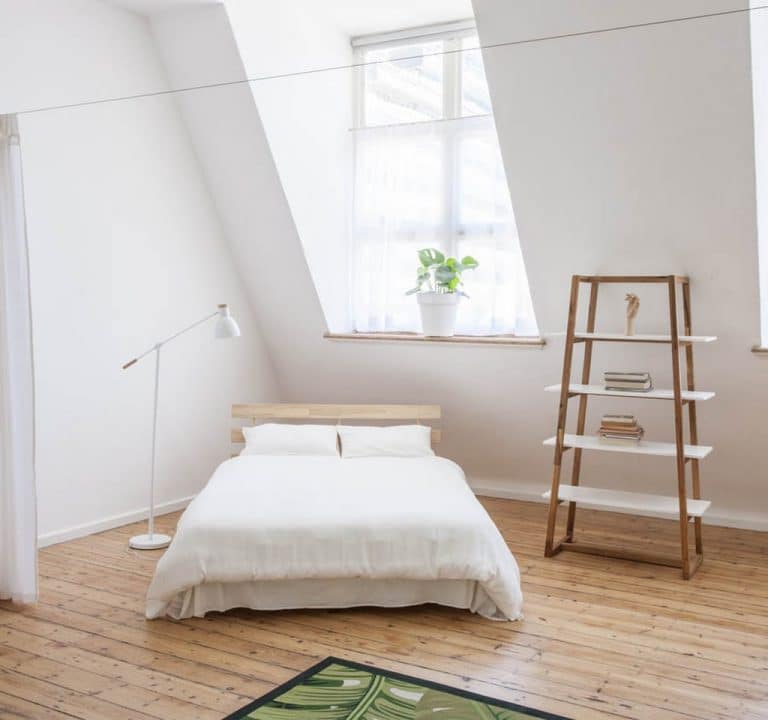
Self-catering accommodation, such as compact studios or one-bedroom apartments, is a popular choice for travellers who value flexibility. A spacious studio in downtown Cape Town can serve as a practical base for exploring the city on foot or by public transport, with a kitchen for quick meals and washer facilities for longer stays. When you book, think about how you will move around: a car can be convenient for making early morning excursions to the Constantia Valley or the Cape Point precinct, but excellent public transport and ride-hailing services are also widely available for urban days and short trips.
Typical amenities in well-located Cape Town stays include reliable Wi‑Fi, a well-equipped kitchen, comfortable bedding, and secure building access. Some properties offer parking, either on-site or nearby; this can be a notable convenience if you plan to hire a car. Air conditioning and heating are useful year-round, given the city’s varied climate. A comfortable living area, ample storage, and a thoughtful layout for cooking and laundry can make a big difference on longer trips. Look for properties that provide clear information about safety, access, and any neighbourhood considerations, such as proximity to busy streets or hills with many stairs.
When budgeting, remember that mid-range accommodation in Cape Town often includes kitchens or kitchenettes, which can help you save by preparing meals rather than eating out for every meal. If you plan to dine out frequently, you’ll still want easy access to a mix of casual eateries, cafés, and more refined options, plus markets or food halls where you can sample local produce and street-food favourites. For longer stays, a place with comfortable workspace and reliable fibre internet can be especially valuable if you need to combine travel with occasional work.
Transport and accessibility are important planning considerations. In addition to the MyCiTi bus network and reliable rideshares, many areas offer walkable streets, scenic promenades and designated cycling routes. If you’re aiming to visit natural attractions or coastal viewpoints, a car gives flexibility for early starts and hidden local gems. Ask hosts or property managers about parking arrangements, access to nearby public transport stops, and the best routes to avoid peak traffic, particularly if your itinerary includes Table Mountain, Cape Point, or the Winelands.
The best time to visit Cape Town depends on what you want from your trip. Spring (September to November) and autumn (March to May) offer pleasant weather, with fewer crowds than peak summer. Summer (December to February) brings long days and vibrant outdoor scene, though it can be busier and pricier. Winter (June to August) is cooler and wetter, but it can be excellent for enjoying the city’s indoor arts, markets and food scene, as well as misty mornings over the mountains. If your plan includes hiking or outdoor activities, pack layers for quick changes in weather and a light waterproof layer for coastal winds.
Planning a stay in Cape Town also means balancing city experiences with nature. Practical tips include starting days early to beat crowds at popular viewpoints, bringing sunscreen and a hat for outdoor time, and keeping a small first-aid kit handy for sunburn or minor scrapes on coastal walks. It’s wise to have a rough plan for days you’ll spend sightseeing—perhaps dedicating mornings for Table Mountain and the Kirstenbosch Botanic Garden, with afternoons for coastal drives or shopping districts. For a broader experience, consider a day trip to the Cape Winelands or nearby towns, where you can combine wine tastings with scenic drives and artisan dining.
In terms of attractions and dining, Cape Town offers broad appeal without tying you to a fixed agenda. Expect a mix of dramatic landscapes, historic neighbourhoods with colourful architecture, markets offering crafts and local foods, and restaurants ranging from casual bistros to refined eateries focused on fresh, seasonal fare. The city’s museums and galleries, coastal routes, and nature reserves provide a spectrum of activities suited to couples, families and solo travellers alike. Always check current local guidance and opening times, as schedules can vary seasonally.
- Key amenities to look for: reliable Wi‑Fi, well-equipped kitchenette, secure access, parking where needed, and clear guidance on local transit and safety.
- Neighbourhood highlights to consider: central access to dining and markets, proximity to beaches, easy reach of scenic viewpoints, and reasonable travel times to major sights.
- Practical packing tips: layers for variable weather, sun protection for coastal days, and comfortable footwear for hillside walks.
For more information on Cape Town’s attractions, neighbourhoods and planning tips, you can visit the official tourism site. A good starting point is the city’s tourism page, which offers broad overviews and practical guidance to help shape an enjoyable itinerary.
Whether you prioritise a stylish self-catering stay in a busy quarter of the city or a quieter base a short drive from natural beauty, Cape Town invites exploration. With careful planning around areas, amenities, transport, and seasonal considerations, you can design an itinerary that blends restful accommodation with unforgettable experiences.