Discovering Cape Town: where to stay and what to do in the Western Cape
Cape Town offers a remarkable blend of scenery, culture and cuisine, making it a destination that rewards a well-planned stay. When choosing accommodation, consider the area. Each neighbourhood has its own character, accessibility and pace, from buzzy urban hubs to scenic coastal pockets. A guest house or boutique hotel in the City Bowl or close to the V&A Waterfront can provide easy access to restaurants, markets and nightlife, while stays in the Atlantic Seaboard or Constantia offer serene vistas and convenient access to beaches, wine estates and hiking trails.
For most travellers, a balanced itinerary combines city experiences with day trips to the Cape Winelands, the Cape Peninsula and Kirstenbosch Botanical Gardens. Planning around a central base, with easy transport links, helps to reduce daily commute times and maximise time for exploring.
What to look for when booking
- Proximity to sights and transport links: easy access to MyCiTi bus routes, a train line or reliable ride-hailing options can save valuable time.
- Amenities that suit your pace: reliable Wi‑Fi, secure parking, on-site parking, breakfast options, and the flexibility of self-catering facilities if you prefer to dine in.
- Room configuration and privacy: check whether rooms have ensuite bathrooms, gentle soundproofing, and separate entrances if you value quiet mornings or late evenings.
- Outdoor appeal and views: well-tended courtyards, patios, or terraces can make a stay memorable, especially if they overlook the city or the sea.
- Sustainability and safety: look for practices such as water-conscious laundry or energy-saving features, and clear guidance on local safety considerations.
Accommodation types vary widely. Guest houses and boutique B&Bs often provide a personal touch with hosts who can share local tips, offer customised recommendations, and arrange experiences. Self-catering apartments and lodges provide flexibility for families or longer stays. When researching, note the cancellation policy and any seasonal pricing fluctuations, particularly during peak season from December to February and the shoulder periods.
Typical amenities you might expect
- Breakfast service, with options ranging from continental light bites to full cooked meals.
- Private bathrooms, daily housekeeping, and in-room refreshment stations.
- Free Wi‑Fi across common areas and rooms, plus streaming-friendly setups.
- Outdoor pools, sun decks, and shaded seating for relaxed days.
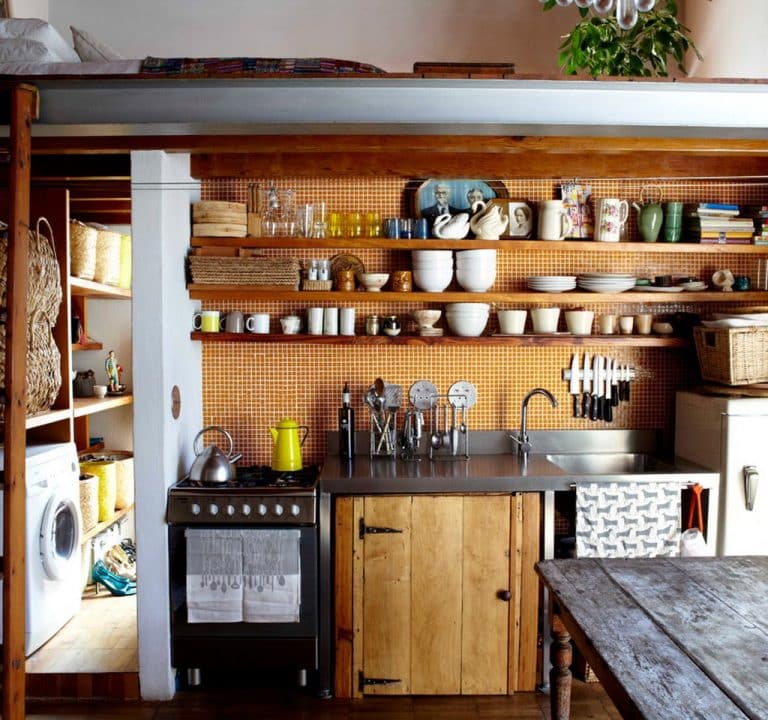
- Easy access to kitchens or mini-kitchens in self-catering units; laundry facilities may be available on-site.
- Secure, convenient parking or clear guidance on nearby public parking.
- In-room climate control or ceiling fans, given Cape Town’s warm summers and cooler evenings.
Transport and getting around
Cape Town’s geography rewards visitors who plan for differing travel needs. If you are staying near the city centre, you’ll likely walk or rely on short rides to cafés and museums. For beach-adjacent stays, ensure convenient access to the coastline and scenic routes. The MyCiTi bus network is a practical option for budget travellers, while Uber and other ride-hailing services are widely used. If you plan day trips to the Cape Winelands or the Cape Point area, car hire or a guided tour can be worth the investment to maximise time and comfort.
Best time to visit
Spring (September to November) brings bloom-filled gardens and milder temperatures, ideal for outdoor strolls and hiking. Autumn (March to May) offers pleasant weather and fewer crowds. Summer (December to February) is peak season, with longer days and lively coastal scenery, but popular sites can be busier. Winter (June to August) tends to be cooler and wetter, yet many cultural venues remain open, and the city’s indoor experiences, markets and eateries shine.
Key experiences and dining
Cape Town’s attractions span natural beauty and urban culture. Iconic experiences include a cable-car ride up Table Mountain for panoramic views, ferry trips to Robben Island, and the scenic vistas along the Atlantic Seaboard. The Cape Peninsula and the nearby Cape Point offer dramatic coastal scenery and wildlife encounters, while the Constantia Valley and nearby wine estates invite tranquil tastings.
In terms of gastronomy, the city presents a spectrum of dining options, from seafood shacks by the harbour to contemporary bistros and fine-dining rooms within boutique hotels. South Africa’s regional cuisines blend flavours with seasonal produce, and many restaurants place emphasis on sustainable sourcing and chef-led menus. For a broad taste of the city, seek neighbourhood markets, casual brasseries and wine estates that pair local fare with regional wines.
Practical planning tips
- Book early for peak periods and consider flexible rates in shoulder seasons.
- Check parking and security arrangements, especially if you plan day trips or late-evening outings.
- Confirm breakfast options and kitchen access if you intend to self-cater some meals.
- Prepare for variable weather by packing layers, a light rain jacket and sun protection.
- Bring a small map or offline navigation on your device; although many hosts can provide local tips, having a plan helps you move efficiently between sights.
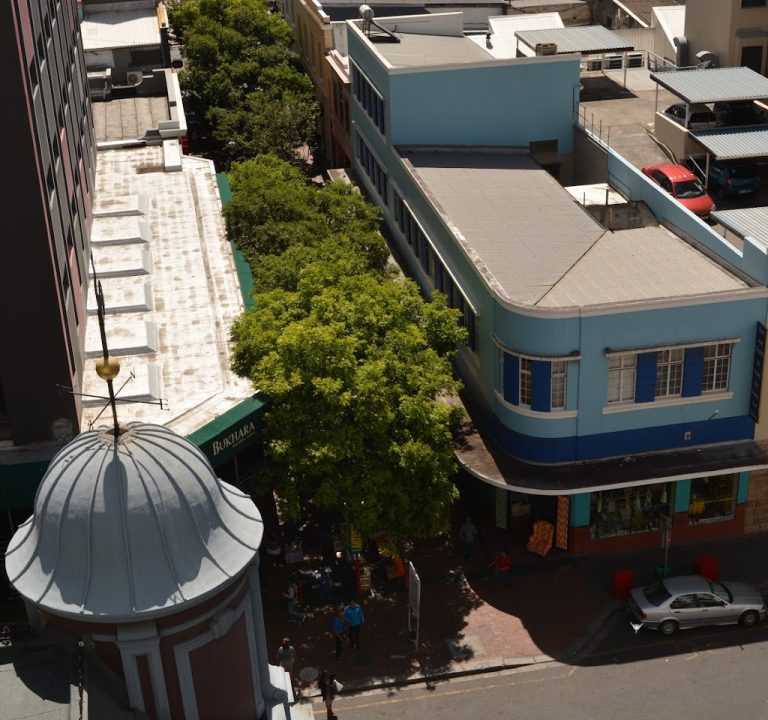
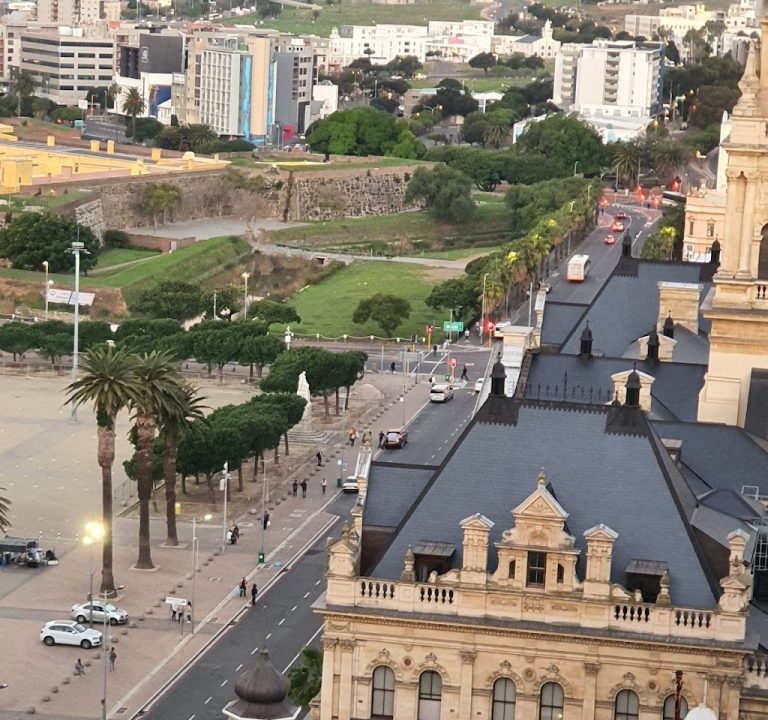
Exploreable neighbourhoods offer distinct experiences. The City Centre and the V&A Waterfront pulse with dining and cultural options and provide good links to tours. The Atlantic Seaboard, including Sea Point and Camps Bay, offers scenic coastal walks and sunset views, while the leafy Constantia Valley presents wine tasting amid green hills. Observatory and the Bo-Kaap provide vibrant cultural scenes, markets and historic charm that complement any stay.
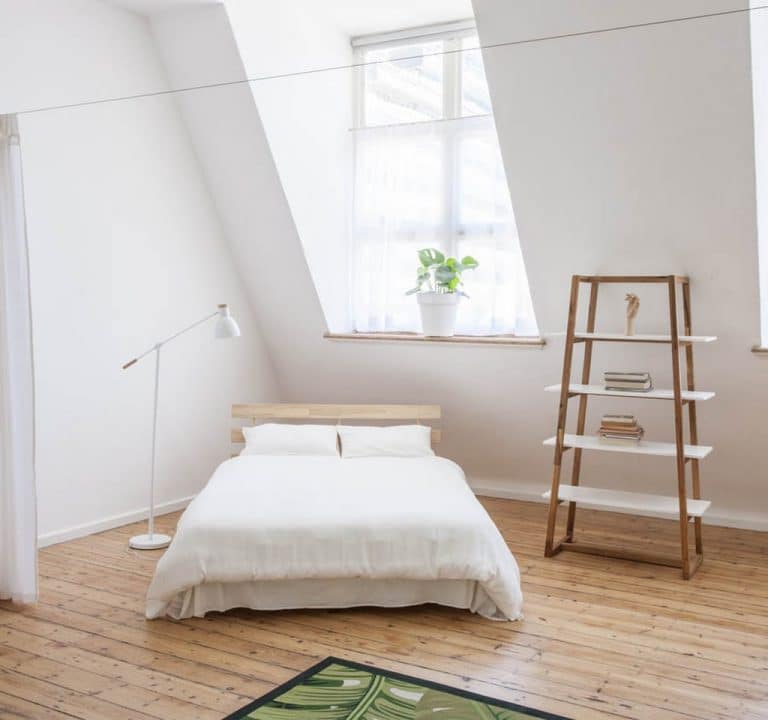
If you are considering a stay at a guest house such as City Loft Apartment, you can expect a personalised approach with a focus on comfort and convenience within a reputable neighbourhood setting. For further planning, consult reputable tourism sites and hotel guides, which can offer up-to-date information on areas, activities and seasonal recommendations, helping you tailor an itinerary that suits your pace and interests.
Website resources and planning ideas can be found via official tourism pages and local guest house networks, which provide broad guidance on routes, experiences and practicalities for visitors to Cape Town and the Western Cape.