Where to stay and what to explore in Cape Town, Western Cape
Cape Town offers a diverse mix of accommodation to suit different kinds of travellers, from stylish boutique stays to spacious self‑catering options and reputable hotels. When planning a stay, it helps to think about what you want to be close to: the harbour and waterfront attractions, dramatic mountain views, or easy access to beaches and wine country. A good approach is to choose a neighbourhood that aligns with your interests and daily plans, then book with clear expectations about amenities, accessibility and transport options.
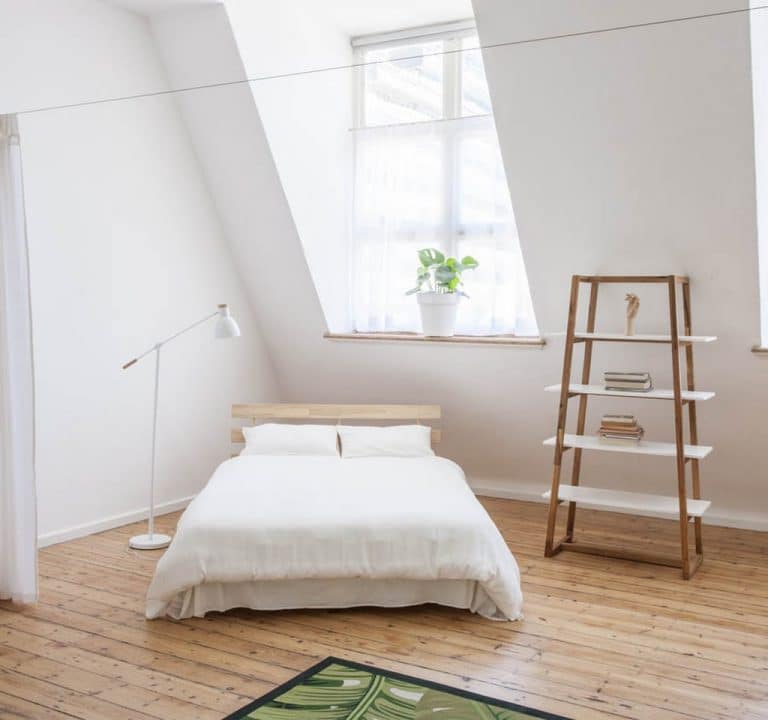
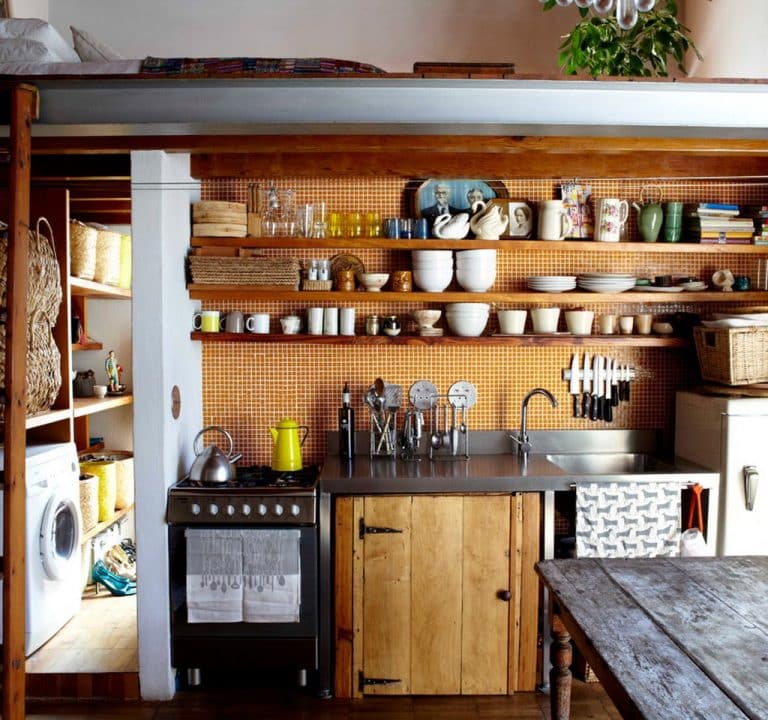
One example of the kind of accommodation available is Afribode Old Mutual Apartments, a self‑catering option that can provide a home‑from‑home experience in a convenient location. See the official listing for more detail and availability: Afribode Old Mutual Apartments.
Areas to consider include:
- The V&A Waterfront and City Centre: walkable, with plenty of dining, shops and easy access to hop‑on/off tour buses. Ideal for first‑time visitors who want to be in the heart of action and near major sights.
- Atlantic Seaboard (Green Point, Sea Point, Camps Bay): known for dramatic sea views, promenade walks, and glamour‑lite dining. Great for scenic mornings and evenings by the sea.
- Constantia and the Southern Suburbs: tranquil, leafy and close to Cape Town’s renowned wine estates and gardens. A good base for day trips to the winelands and Kirstenbosch.
- City Bowl and Tamboerskloof: characterful streets, local cafés and easy access to the city’s museums and markets while staying slightly away from the busiest waterfront.
- Woodstock and Waterfront surrounds: up‑and‑coming areas with a mix of boutique hotels, design‑led stays and convenient transport links.
What to look for when booking? Consider the following:
- Location relative to your planned activities and transport options. If you’ll rely on public transit or tours, choose a place near MyCiTi routes or main routes to the Stellenbosch/Somerset areas.
- Amenities that fit your trip: reliable Wi‑Fi for remote work, secure parking if you’ll hire a car, kitchen facilities for longer stays, air conditioning for warmer months, and laundry facilities for convenience.
- Room layout and noise levels. Properties with thick walls, soundproof windows or well‑placed balconies can make a big difference if you’re near busy streets.
- Safety and access. Look for 24‑hour reception or staff on site, secure access to the building, and well‑lit surroundings for night strolls.
- Cancellation policies and value. Flexible options can be worth a little extra, especially if travel plans may shift with weather or domestic travel advisories.
Typical amenities you might expect to find include daily housekeeping or mid‑week refreshes, well‑equipped kitchens or kitchenettes, comfortable living spaces, quality bedding, flat‑screen TVs, and in many cases on‑site parking or easy parking adaptors. Some properties offer extras such as on‑site gyms, swimming pools with sea or mountain views, or curated local experiences and concierge support to help organise tours or restaurant reservations.
Getting around Cape Town is straightforward but can differ by area. The MyCiTi bus network provides broad coverage, and Uber/Lyft or local ride‑hailing options are common in the city centre and Atlantic Seaboard. If you’re staying in Constantia or the winelands, a hired car offers the most flexibility for day trips to Cape Point, Boulders Beach, or wine estates. When planning your days, factor in traffic (especially during peak hours) and potential road closures if you’re heading to popular viewpoints or beaches on weekends.
The best time to visit Cape Town depends on your priorities. Spring (September to November) and autumn (March to May) bring mild temperatures and manageable crowds, making it ideal for hiking Table Mountain or exploring coastal walks. Summer (December to February) sees warmer days and longer twilights, suitable for beaches and harbour activities, though it can be busy. Winter (June to August) is cooler and drier, with occasional rain, often a good time for city museums, food markets and cooler‑season dining experiences. Pack layers, sun protection for outdoor days, and adaptable footwear for varied terrain, especially if you plan hillside walks or coastal trails.
What to plan for a well‑rounded visit:
- Start with a base that fits your goals—city convenience, beach access, or wine country day trips—and build day trips around it.
- Reserve a couple of “must‑do” experiences in advance, such as a scenic cable car ride, a harbour cruise, a short Robben Island excursion, or a guided township or nature excursion, depending on your interests.
- Balance outdoor days with lighter experiences such as markets, galleries and foodie stops to enjoy Cape Town’s diverse culinary scene without fatigue.
Beyond accommodation, Cape Town offers a broad palette of attractions and experiences. You can be inspired by natural landmarks like mountain viewpoints and coastal trails, explore botanical beauty at renowned gardens, and enjoy fresh seafood and farm‑to‑table dining in seaside suburbs. Wherever you choose to stay, planning with a flexible mindset and a well‑considered neighbourhood focus will help you make the most of your Cape Town visit.