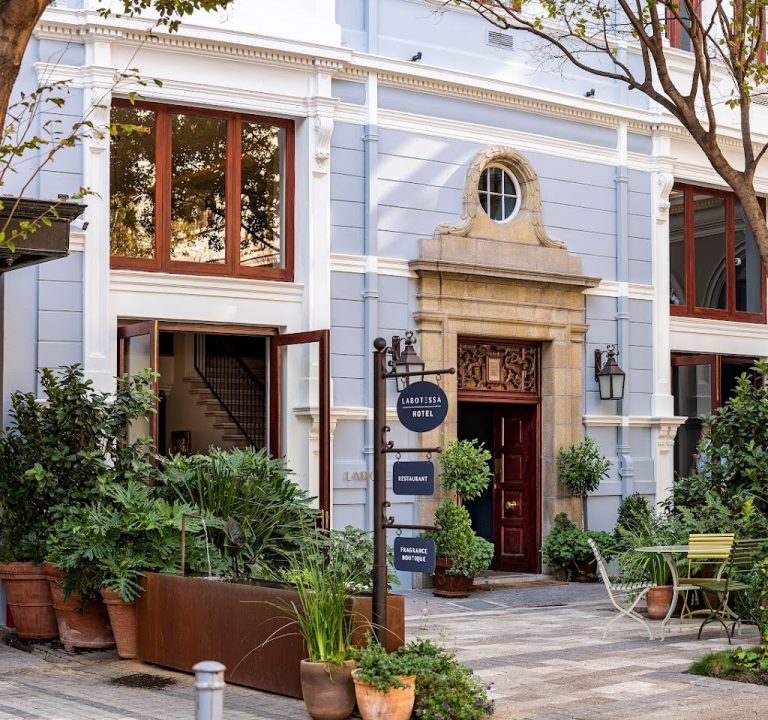
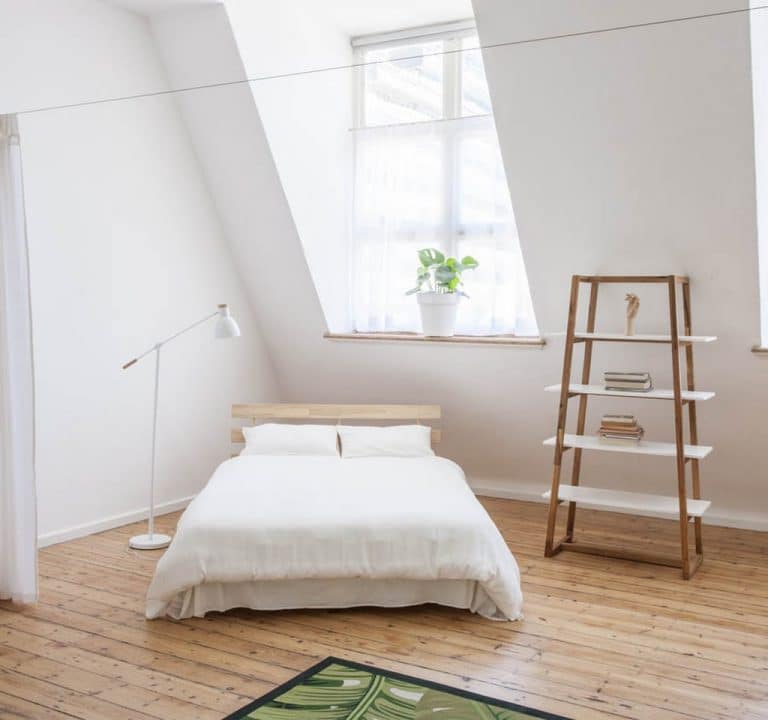
Cape Diamond Boutique Hotel is a Hotels establishment in Cape Town, Western Cape, South Africa
About Cape Diamond Boutique Hotel, Cape Town
Nestled in the heart of Cape Town, the Cape Diamond Boutique Hotel presents itself as a refined, intimate retreat for travellers seeking a stylish base from which to explore the Western Cape. The property is positioned as a boutique experience, emphasising individual character and personalised service in a city famed for its scenic beauty and cultural richness. While exact room types and on-site facilities are not exhaustively listed in the publicly available pages, the emphasis remains on delivering comfortable, thoughtfully appointed spaces within a refined urban setting.
Guests commonly expect a contemporary aesthetic that complements the surrounding Cape Town neighbourhoods—an environment where guests can unwind after a day of sightseeing or business, with an emphasis on calm, easy living and attentive hospitality. The hotel's approach appears to prioritise discretion and understated luxury, offering a private, boutique atmosphere rather than a large-scale hospitality experience. This makes it well suited to travellers who value a personalised touch, a peaceful retreat after touring the city, and a sense of privacy within a central location.
In terms of what is typically valued by boutique properties of this kind, guests often appreciate careful design details, clean, well-maintained spaces, and a focus on comfort. Although specifications about individual rooms, beds, or decor are not widely publicised on the main pages, the concept of a boutique stay suggests a focus on curated interiors and a level of bespoke service aimed at enhancing the overall guest experience. Prospective visitors may find value in enquiring directly for exact room configurations, available amenities, and any add-on experiences that can be tailored to personal interests.
Booking and travel information is usually straightforward for boutique hotels, with the aim of a smooth check-in process, flexible dining options, and clear communication regarding stay policies. The Cape Diamond Boutique Hotel’s online footprint invites potential guests to explore the site for essential details and to establish direct lines of enquiry through the official channels. Those planning a Cape Town visit can typically expect a streamlined approach to reservations, along with guidance on how to make the most of a stay in a city that blends natural splendour with urban charm.
For travellers seeking a stay that aligns with a stylish, intimate atmosphere in one of South Africa’s most visited cities, the Cape Diamond Boutique Hotel presents an option that emphasises quality service and a refined ambience. The boutique model is well-suited to couples, small groups, or solo travellers who appreciate a calm, well-considered setting as a home base while exploring Cape Town’s diverse neighbourhoods and surrounding attractions.
Nearby there are myriad experiences typical of Cape Town’s vibrant cultural and natural landscape. While the exact local highlights available for individual itineraries are not enumerated on the primary pages, guests can expect opportunities to engage with the city’s famed scenery, markets, dining scenes, and historic districts—all of which contribute to a well-rounded stay. For visitors planning a longer visit, the hotel’s central location offers convenient access to a broad spectrum of day trips and city experiences that showcase the best of the Western Cape’s diversity.
Travel tips for making the most of a stay include planning ahead for peak seasons and popular attractions, considering an early start to take in Table Mountain or coastal vantage points, and leaving some time to explore local eateries and markets that capture Cape Town’s flavour. When arranging a stay at a boutique property, guests often benefit from direct contact with the hotel to confirm room specifics, inclusions, and any personalised recommendations that can enhance a visit. The official site serves as the primary resource for confirming availability and connecting with the property for tailored arrangements.
Whether arriving for a leisure break or a short business trip, guests are encouraged to consult the hotel’s website for the latest information on rates, policies, and offers. The site’s structure typically provides a straightforward path to booking, with further details about services, dining options, and nearby experiences. For those who value a compact, thoughtfully curated stay with a personal touch, Cape Diamond Boutique Hotel presents a considered option within Cape Town’s dynamic urban milieu.
- Consider planning a stay during milder seasons to enjoy outdoor possibilities and less crowded attractions.
- Direct website bookings can offer access to the latest rates and any exclusive offers.
- Inquiries about room types, on-site facilities, and tailored recommendations can be addressed through the hotel’s official channels.
Cape Town
Western Cape
8001
South Africa


Accommodating Cape Town: where to stay, how to plan, and what to explore
Cape Town offers a diverse mix of neighbourhoods and styles for travellers, from characterful guesthouses tucked into leafy avenues to contemporary hotels perched with harbour or mountain views. When planning a stay, consider what you want most from your visit—scenic beauty, easy access to beaches, vibrant dining, or proximity to iconic attractions. A well-rounded plan often combines two or three contrasting areas to maximise your time and experience.
The City Bowl and central district are ideal if you want walkable access to cultural venues, museums and the historic company of the old Cape Town. For a cosmopolitan, beach-close vibe, the Atlantic Seaboard—think Camps Bay and Clifton—delivers dramatic sunsets and pristine sands. For a more relaxed, bohemian edge with easy access to parks and markets, the suburb of Green Point or Woodstock can be convenient bases with a short hop to both city life and the shore. If you’re after a quiet retreat with easy access to nature, consider Constantia’s green hills or nearby Simon’s Town and the Cape Peninsula’s southern edge for day trips to coastal scenery and marine wildlife.
Typical amenities you’ll expect or should look for include reliable Wi‑Fi, secure parking, easy check-in, comfortable seating areas, and a good breakfast (often a strong selling point in Cape Town). Many properties highlight shuttle options to popular sights or offer tips on self-guided routes. Some boutique hotels provide in-house spa facilities, swimming pools with sun decks, or terraces that maximise the best views—particularly appealing when staying near the harbour or along the Atlantic coast. When booking, read recent guest reviews to gauge how well staff handle peak-season demand, including storage for luggage or early breakfast service on tight schedules for day trips.
Transport is a practical consideration that shapes your planning. Cape Town’s MyCiTi bus network and rail links can connect major areas with reasonable ease, but many visitors find a car or a guided tour valuable for reaching places beyond the urban core, such as cape point, penguin viewpoints along the False Bay coast, or vineyards in nearby Constantia. If you prefer public transport, choose accommodation with easy access to bus stops or taxi-friendly pickup points, and budget a little extra for peak-hour travel or occasional rideshares when venturing to hillside or seaside areas after dark.
Best time to visit Cape Town depends on your priorities. The city enjoys a temperate climate with warm summers and mild winters. Peak tourist season runs from late spring to early autumn (roughly October to March), when long sunny days suit outdoor explorations. If you’re keen on wildlife or quieter beaches, consider shoulder seasons (April–May or September–October) when conditions are pleasant, crowds are thinner, and accommodation often offers better value. Always check local seasonal variations, especially around windy conditions on the Atlantic seaboard or coastal fog that can affect visibility at popular viewpoints.
To help you plan a balanced stay, here are practical considerations to keep in mind:
- Location versus flow: Pick a main base with a secondary area for day trips or evening meals.
- Safety and accessibility: Read reviews about neighbourhood safety, lighting, and access to dining and attractions after dark.
- On-site essentials: Look for air‑conditioning or heating, quality bedding, and reliable breakfast options if you’ll be out early for activities.
- Food and drink: Cape Town has a thriving dining scene, ranging from casual coastal eateries to high-end restaurants; plan reservations for popular venues, especially on weekends.
- Activities and timing: Allocate mornings for table-top views from Table Mountain or botanical walks, and reserve afternoons for coastline strolls or harbour areas.
As an example of the boutique end of the market, consider places that combine stylish interiors with convenient access to sights and eateries. A well-reviewed boutique hotel in the city offers thoughtfully designed rooms, a friendly front desk, and a central location that makes it easy to stroll to coffee shops, markets, and museum entrances. Their curated guest experience often includes itinerary tips, helping you make the most of your stay while you balance iconic attractions with restful downtime. For inspiration and to explore current offerings, you can visit established hotel websites such as Cape Diamond Boutique Hotel, which provides a gateway to a refined urban stay with links to further information and booking options: Cape Diamond Boutique Hotel.
Beyond lodging, Cape Town’s attractions span awe-inspiring views, outdoor adventures, and cultural experiences. You can venture to the iconic cable-car summit for sweeping panorama, explore gardens and nature reserves, stroll harbour promenades, or take a scenic drive along the Peninsula to see dramatic coastlines and wildlife-friendly viewpoints. In terms of dining, you’ll find everything from casual oceanfront venues serving seafood and grills to refined eateries emphasising seasonal produce. For a well-rounded visit, mix outdoor activities with gentle museum and gallery visits, ensuring each day includes time to simply enjoy the city’s unique light, atmosphere, and hospitality.
Sorry, no records were found. Please adjust your search criteria and try again.
Sorry, unable to load the Maps API.
Why Claim Your Listing?
Claiming your listing on the B&B Finder directory website is a valuable opportunity for business owners. Here are five reasons why you should consider claiming your listings:
Control Over Business Information: By claiming their listing, business owners can ensure that all the information presented is accurate and up-to-date. This includes details such as contact information, address, pricing, and available services or amenities. Accurate information helps prevent customer confusion and improves overall satisfaction.
Enhance the Listing: Once a listing is claimed, owners can enhance it by adding more comprehensive information and rich media, like high-quality photos and videos. These additions can make the listing more attractive and engaging to potential customers, thereby increasing the likelihood of bookings.
Marketing Opportunities: Claiming a listing can also open up additional marketing opportunities. Owners may be able to participate in promotional campaigns, special offers, and other marketing activities organized by the directory. This can increase visibility and attract more customers to the business.