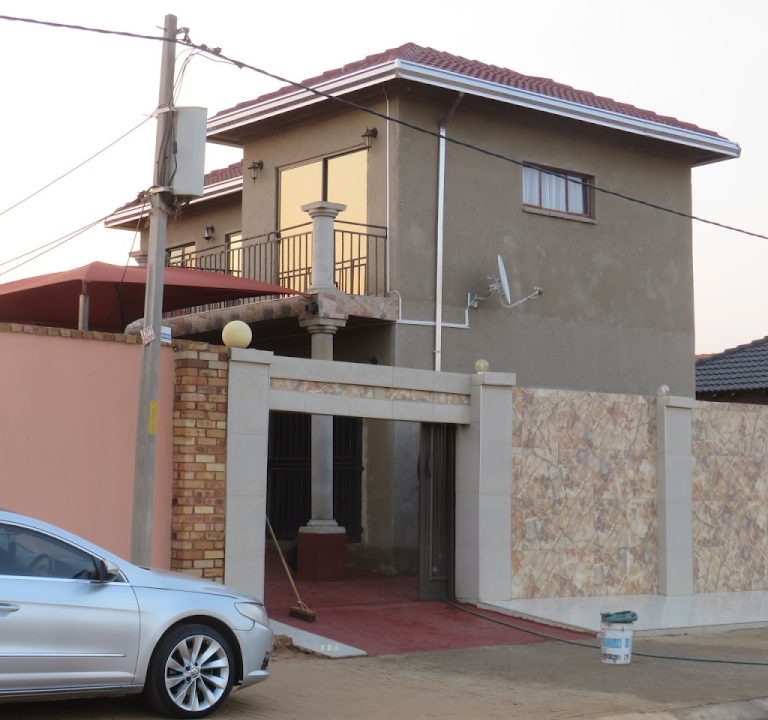
Accommodation and Experiences in Soweto: Planning a Comfortable Stay in Gauteng
Soweto, a vibrant heartland of Gauteng, offers a range of guest houses, lodges and boutique stays that blend warm hospitality with a sense of history. When planning a visit, thoughtful accommodation choices can anchor your itinerary, whether you are exploring urban culture, heritage sites, or contemporary dining and nightlife. A well‑chosen base makes it easy to access key sights, sample local flavours, and enjoy a relaxed rhythm after busy days out in the township and surrounding areas.
Areas to consider for a stay include central Soweto, which puts you within easy reach of main thoroughfares, markets, and cultural centres, as well as newer or quieter pockets on the outskirts that can offer a calmer atmosphere and easy access to major roads. Many guest houses and lodges in the area provide personalised service, traditional decor, and opportunities to connect with local hosts who can share insider tips on routes, transport, and neighbourhood highlights. When evaluating properties, think about how you want to move around: some places are walkable to certain sights, while others are more convenient if you plan to use a car or taxi services. If you are relying on public transport, proximity to bus routes or train links can matter considerably for daylight travels and safety in the evenings.
Typical amenities you might expect include comfortable en‑suite rooms, secure parking, reliable Wi‑Fi, breakfast options (which can range from continental to full cooked meals), and knowledgeably curated local recommendations. Some guest houses offer cultural experiences or arranging guided walks that illuminate Soweto’s history and daily life. For families or longer stays, rooms with extra space, self‑catering facilities, or laundry access can be useful. When booking, check how hosts manage safety, access to common spaces, and whether hosts are available to assist with planning day trips or arranging transport between sights and dining spots.
Transport is a practical consideration in Soweto. If you plan to stay outside the city core, having your own vehicle can be advantageous for flexible day trips or visits to several sites in one day. Alternatively, many guest houses can arrange private transfers or recommended taxi services. For those who enjoy a bit of local immersion, some areas are serviced by ride‑hailing apps or local routes that connect to central Johannesburg and Pretoria. It’s wise to clarify with your host what transport options are most convenient for your planned activities and what to expect in terms of travel times, especially during peak hours.
Best time to visit Soweto generally follows South Africa’s seasons. The dry winter months (June to August) bring cooler temperatures and clearer skies, which are pleasant for outdoor exploration and walking tours. Summer (November to February) can be warmer with episodic afternoon showers, ideal for museum visits and marketplace shopping, but plan for occasional humidity. Spring and autumn offer milder conditions that suit long strolls around historic sites and outdoor eateries. If you are visiting around public holidays or events, it’s wise to book accommodation well in advance, as popular options can fill quickly and price fluctuations may occur.
When selecting accommodation, consider the following practical ideas to enhance your stay:
- Proximity to key sights and dining districts to minimise travel time between experiences.
- Security arrangements and access to the property after dark, especially if you plan late-evening outings.
- Included meals and dietary options, if relevant, to avoid last‑minute hunger after full days out.
- Quiet rooms or designated lounge spaces for downtime after busy sightseeing days.
- Host engagement and local recommendations—hosts who can point you to authentic eateries and safe routes often add significant value.
Attractions in and around Soweto are as varied as the accommodation options. Visitors often enjoy learning about the township’s past through museums and memorials, exploring open markets and art spaces, and discovering dynamic culinary scenes where traditional flavours mingle with modern twists. You will also find opportunities to venture beyond Soweto into nearby Johannesburg and the broader Gauteng region for day trips to gardens, galleries, or sporting venues. When planning activities, keep a flexible mindset: many experiences in Soweto are community‑run or seasonal, and timing can influence availability and crowd levels.
For dining, you can expect a spectrum of options—from casual eateries serving hearty, home‑style dishes to more contemporary spots offering light meals and beverages. It is common for guest houses to provide breakfast inclusions and to guide guests toward neighbourhood favourites that showcase local produce and regional favourites. If you prefer to explore independently, many hotels and guest houses provide maps, recommended walking routes, and suggested daytime itineraries that align with your pace and interests.
Finally, a note on planning and pacing. Soweto rewards curious travellers who blend structured visits with spontaneous discoveries. A balanced itinerary might pair a morning heritage walk with a relaxed afternoon at a café or market, followed by a sunset viewpoint or a cultural performance. By choosing accommodation that supports easy access to transit and offers helpful local insights, you can make the most of your time, while enjoying the warmth of Soweto’s hospitality and the richness of its places to stay and things to do. For planning resources and current information, consider checking the property’s own site or trusted travel guides, which can provide practical details and up‑to‑date tips for a comfortable, memorable stay.