Accommodation and exploring Soweto, Gauteng: where to stay, what to plan, and how to get around
Soweto, just outside Johannesburg, offers a wide range of stays from intimate guesthouses to friendly B&Bs and small hotels. When planning a visit, consider the character of each neighbourhood, how you want to move around the area, and what you hope to discover beyond the well‑known historical sites. A stay that fits your pace—whether you want quiet evenings, easy access to markets, or lively culinary spots—can make a big difference to your overall experience.
Areas to consider include central outdoor markets and cultural hubs around Vilakazi Street, where the legacy of Nelson Mandela and Desmond Tutu sits alongside modern cafés and souvenir shops. Jabulani and Orlando offer a more residential feel with straightforward access to transport routes, while neighbourhoods such as Diepkloof or the surrounding townships provide authentic community life and opportunities to arrange guided experiences with trusted operators. If you prefer a quieter base with easy road access, look for guest houses and lodges on the fringe of the main tourist zones—these often provide more space, secure parking, and a calmer atmosphere after a day of exploring.
When choosing accommodation, ask about amenities that support a comfortable stay. Key features to look for include secure parking or easy taxi access, reliable Wi‑Fi, breakfast offerings, and on‑site staff who can help arrange tours or transfers. Some venues offer activities or experiences on site, such as guided neighbourhood walks, cultural demonstrations, or themed evenings. If you are planning to self‑drive, check the parking provisions and how the property handles entry after hours. For visitors arriving by public transport, confirm how easy it is to reach your base from major hubs by bus, minibus taxi routes, or rail links, and whether the property can assist with arranging trusted transfers.
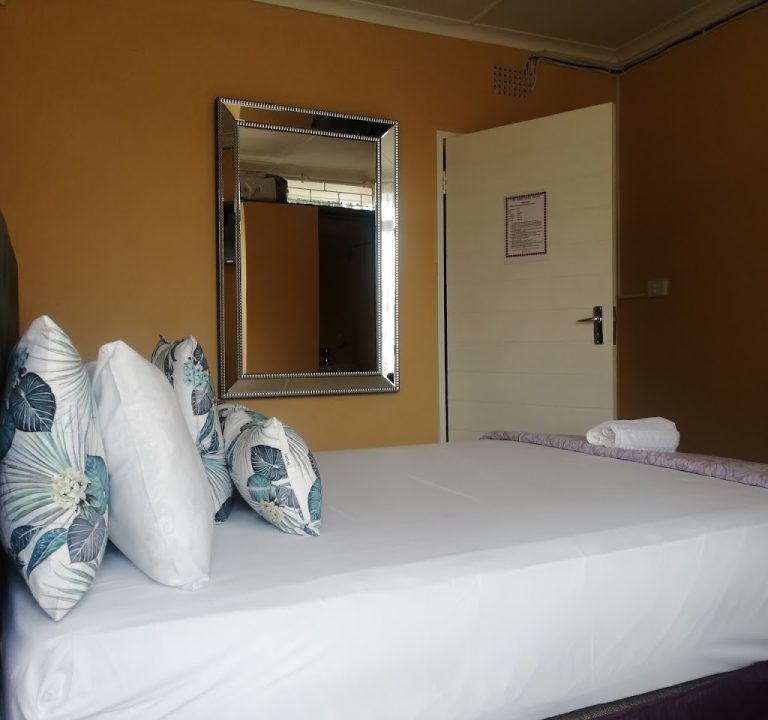
Accommodation in Soweto often blends communal living with privacy. Expect guest houses and B&Bs to provide comfortable rooms with en‑suite or shared bathrooms, and communal spaces such as a dining veranda, garden, or lounge. Breakfast is commonly included and may range from a simple continental spread to home‑style, cooked meals. Some venues include kitchen facilities or offer light refreshments during the day. If you have dietary requirements, it is worth informing your host in advance so they can tailor meals or suggest nearby dining options.
Transport and getting around are practical considerations. Many visitors choose a mix of walking, taxi rides, and rideshare options for short distances, combined with car hires or organised tours for longer day trips. If you plan to venture into the city centre, ensure your accommodation provides clear guidance on safe travel routes and expected travel times. It can be helpful to arrange guided experiences with reputable operators who are familiar with the area, especially for cultural or historical tours, to gain meaningful context and ensure safety.
The best time to visit Soweto tends to be during the Southern Hemisphere winter and spring (roughly May to September), when days are often sunny and dry and evenings can be cooler. This season generally offers pleasant conditions for outdoor markets, street food, and walking tours. If you prefer lush greenery and warmer afternoons, the summer months (roughly October to March) bring more rain and humidity, but they can also be lively with street festivals and community events. Be mindful of occasional local disruptions or traffic changes, and plan extra time for travel during peak periods.
Practical tips to maximise your stay:
- Book early in areas that suit your interests—Vilakazi Street for proximity to cultural sights, or quieter neighbourhoods for a restful base.
- Clarify included meals, parking arrangements, and whether the property can assist with arranging trusted local guides or transfers.
- Pack flexible clothing for variable weather and sturdy footwear for walking tours and uneven streets.
- Respect local customs and communities; ask hosts for guidance on respectful photography, interaction, and tipping norms where appropriate.
- Check safety recommendations and stay on well‑lit routes after dark, using reputable transport options.
- Plan a mix of free time and structured experiences—markets, museums, community eateries, and a few iconic viewpoints offer a balanced itinerary.
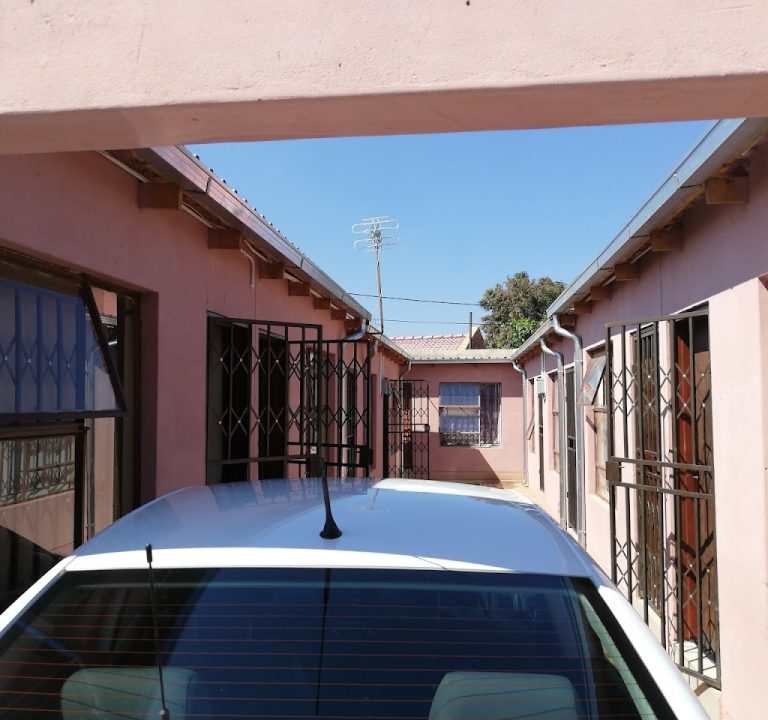
- Consider including a stay at a guest house such as 5705 bed breakfast and Eatery to experience a personal, homely welcome alongside traditional hospitality.
When it comes to attractions and experiences, Soweto offers a broad picture rather than a single route. Visitors commonly enjoy learning about its history at museums or heritage sites, exploring vibrant markets and street food scenes, and engaging with local guides who can illuminate the daily rhythms of township life. Dining in Soweto ranges from bustling urban eateries to cosy establishments that focus on traditional and contemporary flavours. While specific venues and prices change over time, the underlying appeal remains the same: authentic experiences, community warmth, and accessible transport links that make it feasible to combine heritage, food, and neighbourhood exploration in a single stay.
In short, a well‑planned Soweto stay blends thoughtful accommodation with accessible transport and a flexible itinerary. By choosing a neighbourhood that mirrors your interests, confirming essential amenities, and pairing guided experiences with free time to soak up the atmosphere, you can enjoy a memorable South African stay that feels both rooted in place and refreshingly uncomplicated.