Accommodation and Attractions in Soweto: A Practical Guide for Visitors
Soweto, a vibrant region of Gauteng, offers a welcoming mix of guest houses, boutique stays, and traditional lodges that suit a range of budgets and styles. When planning a stay, consider the atmosphere you want, proximity to key sights, and how you’ll move around. Whether you favour a homely guest house near historic streets or a modern lodge with easy access to central Johannesburg, Soweto has options designed to feel like a home away from home.
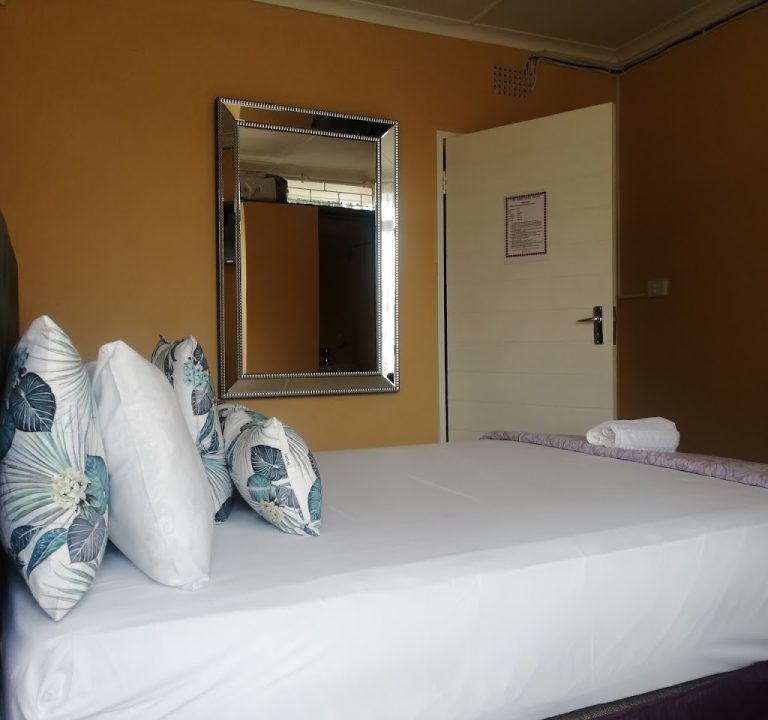
One accessible option for a comfortable, personable stay is the Dawn Guesthouse, a well-regarded example of a guest house in the area. Such properties typically prioritise friendly service, clean rooms, and local flavour, with staff who can offer practical tips on places to visit, eat, and shop. If you’re exploring the accommodation scene, look for hosts who can provide detailed local knowledge, flexible check-in arrangements, and a clear sense of security and privacy.
Areas to consider when choosing where to stay include the northern and central parts of Soweto, which often provide easy access to major sights and convenient transport links, as well as neighbourhoods that retain a strong sense of community and character. In general, you’ll find guest houses tucked along tree-lined streets or nestled within quiet residential pockets, offering a more intimate setting than larger hotels.
Typical amenities to look for include comfortable en-suite rooms, reliable Wi‑Fi, secure parking, and a welcoming communal space where guests can share recommendations. Many properties will offer breakfast as part of the room rate, with options ranging from continental to more substantial, locally inspired dishes. Some guest houses go further and provide additional touches such as small kitchen facilities, organised city tours, or arranged transport to and from key sights. When booking, check details about airport or station transfers, accessibility for travellers with limited mobility, and whether late check-in is possible if you anticipate late arrivals.
Transport around Soweto is straightforward but varies by location. Ridesharing apps and local taxis are common, and many guest houses can arrange reliable transfers for day trips or evening outings. If you plan to explore beyond Soweto, consider how you will connect to Johannesburg’s northern and central zones, where some sights and activities are clustered. Having a rough plan for which days you intend to stay near certain areas can help you choose a base that minimises travel time and maximises your experiences.
The best time to visit Soweto tends to be in the drier, cooler months, when outdoor touring and street-side markets are most comfortable. Summers bring warmth and the occasional shower, which can be pleasant but may affect outdoor activities. Pack light, breathable layers for daytime exploration and a lightweight jacket for evenings. If you’re sensitive to heat, plan more indoor or shaded experiences during peak afternoon hours and always stay hydrated, especially when walking in busier streets or markets.
When planning a stay, consider a mix of experiences. Soweto’s streets and townships offer insights into South Africa’s social history, and guided walks can provide context to murals, museums, and landmarks. To balance history with recreation, you might allocate a day or two to heritage-focused experiences, and another to casual dining and local markets, where you can sample dishes and browse crafts. For convenience, choose a base that makes it easy to return for a midday rest or a late dinner, depending on your itinerary.
Attractions in and around Soweto range from evocative heritage sites to family-friendly parks and authentic dining experiences. In general terms, visitors can expect opportunities to learn about South Africa’s history, hear local storytelling, and observe daily life in vibrant communities. Many attractions are complemented by nearby eateries and cafés where you can try traditional flavours in a relaxed setting. When planning visits, be mindful of opening times and any seasonal closures, and allow buffer time for a relaxed pace rather than rushing between sites.
Food and drink play a key part of the Sowetan experience. You’ll find casual eateries and informal dining spots where guests can taste hearty, home-style meals and share in the local hospitality. Whether you’re seeking light snacks or a proper sit-down meal, it’s worth asking your host or guest house staff for recommendations that suit your budget and preference. For longer stays, pairing a couple of meals out with a few at your accommodation can offer a well-rounded sense of the area’s culinary spirit.
- Look for a base with clear information on transport options and nearby sights.
- Check for inclusive breakfasts or easy access to affordable meal options nearby.
- Confirm security features, parking arrangements, and reliable Wi‑Fi.
- Ask hosts for personalised itineraries or day-trip ideas that match your interests.
To help with planning, you may browse general tourism resources for Soweto and nearby Johannesburg, which can offer practical tips and up-to-date recommendations. If you’d like a starting point, visit the official tourism pages for the area to understand current events, road conditions, and seasonal highlights. With thoughtful planning and a flexible approach, a stay in Soweto can be enriching, comfortable, and wonderfully connected to the wider Gauteng region.