Discover Soweto: Accommodation, Attractions and Planning Your Stay
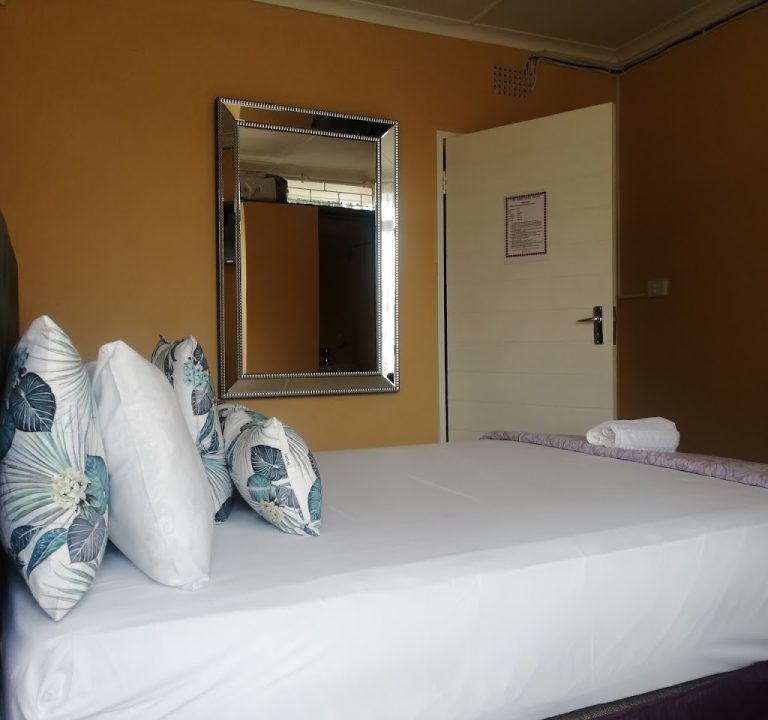
Soweto, in Gauteng, offers a welcoming mix of heritage, vibrant township culture, and convenient access to Johannesburg. Whether you are seeking a traditional guest house experience, a boutique stay near key sites, or a comfortable base for day trips, there are suitable options across different neighbourhoods. A guest house such as Braamfischer Guest House on Elias Motsoaledi Road can provide a compact, friendly base with a personal touch, helping guests feel at home while exploring the area.
When planning a stay, consider the area carefully. Orlando, Soweto’s historic heart, and neighbouring districts often provide easy access to cultural tours and eateries, while broader townships and quieter residential streets can offer more restful nights and a more local atmosphere. Look for host establishments with clear guest policies, secure parking where needed, and reliable Wi‑Fi if you plan to work or stream in the evenings after a day of exploring. In practice, many guest houses in Soweto emphasise warm hospitality, cooked breakfasts, and tips for getting around safely.
Typical amenities to look for include private en‑suite bathrooms, flexible check‑in options, on‑site or nearby parking, and information on local transport links. Some properties offer shuttle services or assist with arranging tours and day trips, which can be invaluable for first‑time visitors. If you prefer a more social setting, you might seek out guest houses with communal lounges or shared kitchens where you can meet other travellers and swap recommendations about markets, street food, and local music spots.
Transport is a practical consideration. Soweto is best navigated with a mix of walking, ride‑hailing apps, and short rides to the nearest taxi ranks or bus routes. For longer day trips into Johannesburg or to the JHB parks and museum precincts, ask your host or guest house manager about the most reliable options, including safe pedestrian routes and recommended times to travel to avoid peak city traffic. Having a rough plan for each day, including a primary area to remain in after dark, helps ensure a calmer, more enjoyable visit.
The best time to visit Soweto balances weather and events. The South African summer months (roughly November to March) bring warm days and thunderstorms, while the cooler, drier winter period (June to August) offers crisp mornings and comfortable outdoor exploring. Many visitors find spring and autumn pleasant for walking tours, street markets, and outdoor lunches. If you are visiting during peak school holidays or major local festivals, be prepared for busier streets and higher demand for accommodation, and consider booking well in advance.
Attractions in Soweto are wide‑ranging and offer an overview of South Africa’s history, culture, and daily life. Typical highlights include museums and viewpoints that reflect the struggle for freedom, guided tours that provide context to colourful street art, and opportunities to learn about traditional crafts and local culinary traditions. General day plans often combine a walk through historic townships, a visit to a cultural centre, and time to sample everyday township food in casual eateries or markets. A well‑planned stay can also include a relaxed afternoon in a park or on a leafy street with coffee shops and informal dining options nearby.
When it comes to dining, Soweto’s restaurant scene is diverse, ranging from informal family‑run eateries to more contemporary venues. Expect hearty, flavoursome fare that highlights home‑style cooking, grilled meats, and fresh vegetables. Many guests enjoy sampling a few different spots over several days, rather than trying to cover too much in one evening. If you prefer self‑catering, a guest house with a communal kitchen and a nearby supermarket can be a convenient option for preparing simple meals after a day sightseeing.
Practical tips to help you plan a smooth stay:
- Book accommodation with clear directions and a reliable contact person, so you can check in smoothly and get local tips on safe routes and top experiences.
- Check for secure parking and a visible reception or host on site, especially if you plan to move around after dark.
- Ask about guided tours or basic itineraries to make the most of your time, including morning or late afternoon sessions when light is good for photography and street ambience.
- Bring comfortable walking shoes, a water bottle, and a lightweight layer for changing temperatures in the city.
- Respect local customs and dress modestly when visiting residential areas, and always follow host guidance on street safety and transport options.
- Prepare cash in small denominations for markets and informal stalls, while most guest houses and restaurants accept card payments.
- Plan a flexible itinerary that allows for spontaneous stops at markets, music venues, or craft workshops, which are often the most memorable parts of a Soweto stay.
For a satisfying stay, choose accommodation that suits your pace and interests—whether you want a quiet base with easy access to major city routes or a more immersive, community‑oriented experience. Soweto rewards curious travellers with warm hospitality, interesting histories, and a flavourful slice of South African life. A well‑chosen guest house can be a comfortable anchor as you explore the vibrancy of this iconic part of Gauteng.
For further inspiration and practical planning, you can explore official tourism pages and archived guides that provide broad overviews of Soweto’s neighbourhoods, typical itineraries, and transport options. A selection of local guest houses and boutique stays often feature practical advice and recommended routes on their own websites, which can help you tailor a stay to your preferences. Websites linking to the broader Gauteng and Johannesburg tourism networks can also be valuable references when scheduling your visit.