Cape Town: A Guide to Accommodation, Attractions, and Local Experiences
Cape Town, in the Western Cape of South Africa, offers a rich mix of accommodation styles to suit different preferences and budgets. From stylish boutique hotels in vibrant districts to comfortable guesthouses in leafy suburbs, visitors can choose bases that put them close to the city’s iconic scenery and diverse activities. When planning a stay, it helps to think about what you want to do each day and where you want your restful base to be placed in relation to those plans.
Popular neighbourhoods include the urban heart of the City Bowl, with easy access to cafes, museums and markets; the Atlantic Seaboard, famous for dramatic coastline views and access to beaches; the Constantia Valley for wine routes and tranquillity; and Camps Bay for a more resort-style setting. Each area has its own character, and many properties offer views of the ocean, mountains, or harbour, which can enhance your stay.
Booking a place in Cape Town often involves balancing location, price and amenities. When evaluating options, consider whether you want parking, a self-catering kitchenette, a pool, or on-site dining. Some properties are walkable to restaurants, nightlife and attractions, while others are better reached by car or reliable public transport. If you’re visiting in peak seasons, flexibility can be advantageous, as popular areas may book quickly.
Typical amenities to look for include secure access, complimentary Wi‑Fi, breakfast options (whether continental, full cooked or a light market-style spread), and housekeeping frequency. Some guesthouses and boutique hotels offer personalised itineraries, local tips, or affinity with the best access routes to mountain viewpoints and coastal paths. If you are travelling with family or a group, check for multi-bedroom options, adaptable layouts, and child-friendly facilities. For business travellers, consider quiet workspaces, reliable connectivity, and convenient desk space.
Travel around Cape Town is generally straightforward but varies by area. The MyCiTi bus network covers many tourist routes and central hubs, while car hire provides maximum freedom for exploring winelands or coastal day trips. Ride-hailing apps are widely used, and some hotels offer shuttle services to key sights or the airport. If you plan to visit Table Mountain, the lower Cableway station is best accessed by foot or a short taxi ride from central districts, and it’s wise to factor in queues and weather considerations when planning ascent times.
Best time to visit Cape Town depends on what you want to experience. Summers (December to February) are warm and lively, with longer daylight hours and many outdoor events. Autumn (March to May) brings milder weather and fewer crowds, making it a pleasant shoulder season for sightseeing. Winter (June to August) is cooler and wetter, yet offers dramatic scenery and fewer tourists. Spring (September to November) sees wildflowers bloom in surrounding areas and a renewed sense of activity. If you intend to combine mountain hikes, coastal walks and city visits, you’ll benefit from choosing your dates with the weather in mind and planning outdoor days around calmer locations during shoulder seasons.
When you arrive, a few practical tips can improve your stay. Start with a short trip to orient yourself: mapping key sights for your stay, noting transfer times, and identifying a couple of nearby café options for easy mornings. Pack clothing for varying conditions—Cape Town’s microclimates can shift quickly, especially around the coast and the mountain. If you are exploring the Cape Winelands, allow enough time for slower drives on scenic routes and visits to different estates. For safety, keep valuables secure and use reputable transport options in busy areas or after dark.
For a well-rounded visit, a mix of natural, cultural, and culinary experiences is ideal. At a high level, you’ll find that Cape Town’s draws include iconic scenery, such as possibilidades for harbour and mountain viewpoints, and a coastline that offers the chance to walk, surf or simply admire the ocean. In parallel, markets, galleries and museums provide insight into local history and contemporary life. When it comes to meals, Cape Town presents a broad spectrum—from casual coastal eateries to refined dining rooms that celebrate regional produce. Many areas host vibrant night markets and street-food concepts that showcase the city’s diverse communities without the need for formal reservations.
Accommodation and travel plan in mind, consider these practical steps to build your itinerary:
- Identify a primary base with good access to most of your planned activities, then plan day trips to nearby attractions from that hub.
- Allow time for scenic drives along the coastline or through the winelands, including restful stops and short walks.
- Book popular experiences and restaurants in advance during peak seasons, while leaving some flexible days for spontaneous discoveries.
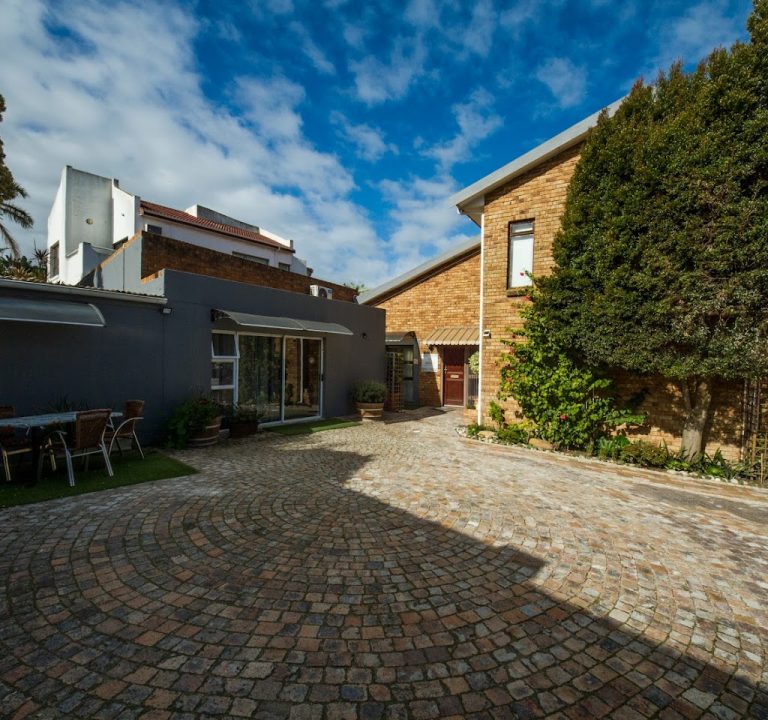
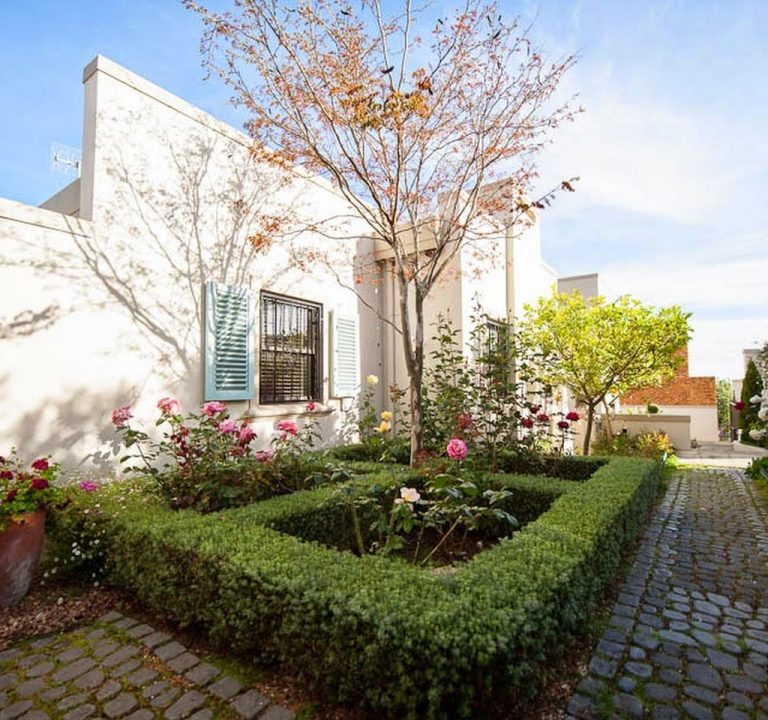
In terms of attractions and eating well, Cape Town invites memorable experiences without needing to commit to rigid schedules. You can expect encounters with dramatic landscapes, easy access to nature, and a range of dining options that reflect the city’s multicultural character. Whether you are here for a short city break or a longer discovery, choosing the right accommodation and planning a balanced mix of outdoor adventures, cultural visits, and relaxed meals will help you make the most of your stay. For more information and current travel guidance, you can visit official local tourism resources or hotel partners’ sites linked to your chosen base, such as the property at 53 Pyracantha Street, which may offer further details on room types, amenities and nearby attractions.