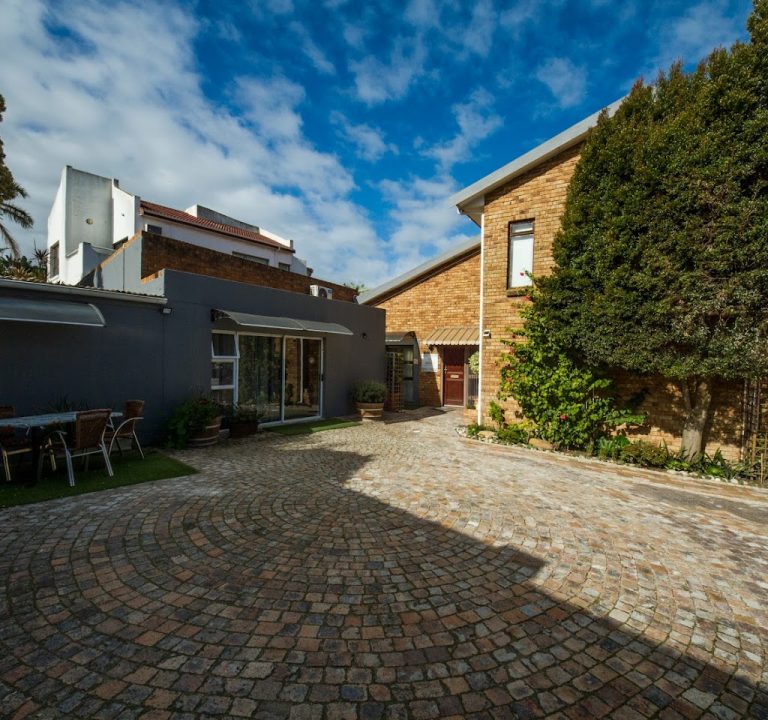
Cape Town: accommodation planning, areas to stay, and must‑see experiences
Cape Town combines dramatic natural beauty with a vibrant urban scene, making it a destination where your choice of neighbourhood can shape the whole flavour of your trip. When planning a stay, think about access to the city’s iconic landscapes, convenient transport, and the rhythm of local life. You’ll find everything from characterful guesthouses and boutique B&Bs to modern apartments and family‑run lodges, each offering its own flavour of Cape Town hospitality.
The city’s major areas are a good starting point for deciding where to base yourself. The V&A Waterfront area is lively and well‑connected, with easy access to ferries, museums, and a wide range of dining options. Central Cape Town (the city bowl) is ideal for walkers who want to be close to heritage sites, markets, and a thriving restaurant scene. Camps Bay and Clifton offer glitzy beaches and coastal views for sun‑seekers, while Constantia Valley is perfect for those who prefer quieter streets, vineyards, and family‑friendly stays. For a more bohemian vibe, neighbourhoods such as Bo‑Kaap, with its colourful lanes and history, offer a compact base within easy reach of attractions and eateries.
When booking accommodation, look for several practical features that make your stay smoother in this city’s climate and terrain. Clean, well‑maintained facilities are essential, as are clear directions to top lifts or viewpoints—Table Mountain and its cable car, for example, are a staple of visitors’ itineraries and can influence how you structure your days. Parking options, secure access, and reliable housekeeping are worth confirming, as are amenities that suit your travel style, such as air‑conditioning for warmer months or heating for the cooler evenings on the Atlantic coast.
Typical amenities you may encounter include private ensuite bathrooms, tea and coffee facilities, reliable Wi‑Fi, and flexible cancellation policies. Many properties offer breakfast, which can range from a light continental option to a full cooked‑breakfast service with regional flavours. For longer stays or travel with family, look for self‑c catering facilities, separate living spaces, and easy housekeeping arrangements. If you value personal touches, boutique guesthouses and family‑run B&Bs are often able to tailor recommendations, from day trips to dining to off‑the‑beaten‑path viewpoints.
Transport in Cape Town is highly accommodating, but a little planning goes a long way. If you’re staying near the city centre or V&A Waterfront, minimising car use and relying on Uber, ride‑hailing services, or on‑foot explorations can be a refreshing way to see the city. Car hire is convenient for coastal drives along the Atlantic Seaboard or day trips to the Cape Peninsula, but expect peak‑hour traffic on busy routes. For those preferring public transport, MyCiTi buses connect several tourist areas, while reliable taxi services are widely available. If you intend to explore wine routes and nature reserves, a hire car or a guided day tour can be especially worthwhile.
Best time to visit Cape Town depends on what you want from your trip. The city enjoys a mild Mediterranean climate with summer (December to February) being lively, sunny, and ideal for beachfront days, though it can be busier and more expensive. Spring (September to November) and autumn (March to May) bring pleasant temperatures, quieter streets, and excellent colours along the coastline and mountains. Winter (June to August) is cooler and more rainfall‑prone, but it can be a calmer period for those seeking value and fewer crowds, with plenty of indoor cultural options and cosy eateries.
Attractions and experiences in Cape Town span nature, history, and culinary discovery. You’ll find world‑renowned viewpoints and hiking routes on the surrounding mountains, dramatic coastal drives along the Atlantic Seaboard, and a coastline that offers seal watching and penguin colonies inappropriate seasons. In the city itself, museums, galleries, and markets provide cultural immersion, while the cuisine scene ranges from fresh seafood shacks to sophisticated dining rooms. Visitors often pair a scenic day trip with a guided walk or a small‑group tour that highlights local narratives, architecture, and landscapes.
Sample planning tips to help you get the most from your stay:
- Book a base with easy access to the places you most want to visit, and check transport options from your accommodation to save time.
- Look for flexible cancellation policies and transparent housekeeping arrangements, especially if your plans may shift with weather or travel conditions.
- Pack layers for a city with variable microclimates: warm sun by day can yield to bracing coastal winds in the evening.
- Prioritise properties that provide local knowledge or staff who can suggest day trips, markets, and dining you wouldn’t discover on your own.
- When dining, venture beyond the well‑trodden paths to discover neighbourhood eateries that offer honest regional flavours and ingredient‑driven menus.
For more inspiration and practical ideas, visit official Cape Town tourism resources and browse current guides to planning a stay that blends comfort with discovery. Whether you’re drawn to ocean‑front mornings, mountain vistas, or a stroll through historic streets, Cape Town invites you to design a memorable getaway that suits your pace and interests.