Exploring Cape Town: Accommodation, Attractions and Experiences
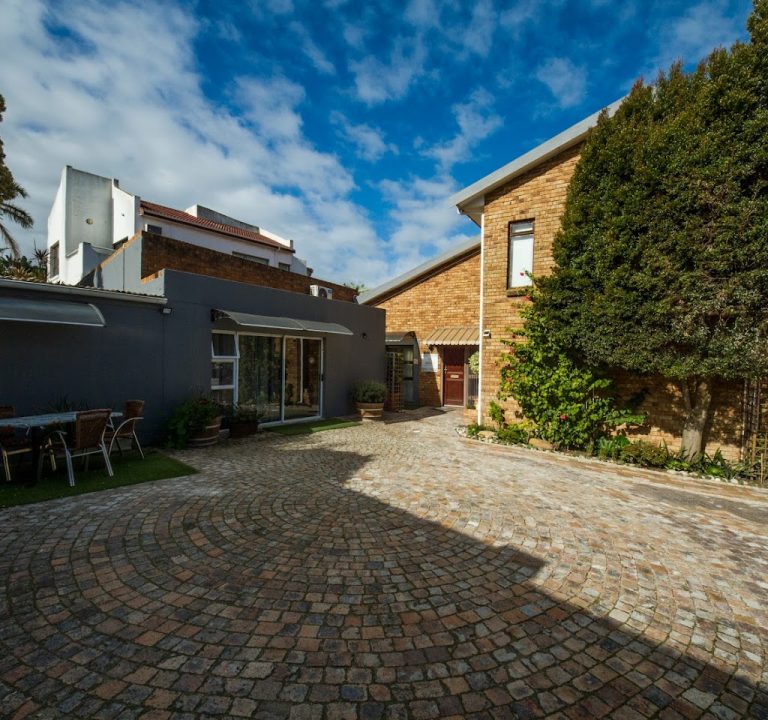
Cape Town in the Western Cape offers a rich blend of scenery, culture and contemporary comforts to match every traveler's style. When planning a stay, consider choosing a base that reflects the kind of experience you want—from harbourside vibrancy and courtyard tranquillity to hillside splendour with panoramic views. One popular option for travellers seeking a warm welcome is a well-placed bed & breakfast, such as Eve’s Place B&B, which often pairs personalised tips with comfortable, homely rooms and breakfast highlights to start each day well.
Area choice is foundational to your visit. The City Bowl puts you within easy reach of museums, markets and dining, with quick access to the V&A Waterfront and historic neighbourhoods. The Atlantic Seaboard and Camps Bay offer shoreline sunsets and stylish coastal living, typically with guesthouses and boutique hotels that cater to couples and guests seeking a fashionable stay close to the sea. For wine lovers and quiet natural surroundings, Constantia and the southern suburbs provide leafy serenity, easy drives to wine estates, and a slower pace. Bo-Kaap brings colour, culture and a short walk to central sights, while the Cape Town peninsula delivers dramatic scenery and outdoor adventures close to nature reserves and coastal trails.
When booking, look for typical amenities that make a stay easy and relaxing. Generous breakfast options are a hallmark of many B&Bs and guesthouses, with a homely start to the day. En-suite bathrooms, reliable wifi, secure parking, and 24-hour reception or host availability can dramatically simplify your trip. If you rely on self-catering or flexible dining, check for kitchen access or on-site eateries. Outdoor spaces such as verandas, courtyards, or rooftop terraces add value in Cape Town’s sunny climate. Proximity to public transport or major routes is also worth prioritising, especially if you plan to visit attractions scattered across the city and surrounding areas.
Transport in Cape Town is well supported by what’s commonly known as the MyCiTi bus network, complemented by Uber and traditional taxis. If your base is near the city centre or the Atlantic Seaboard, you’ll typically find straightforward routes to Table Mountain, the waterfront, and nearby beaches. For day trips—such as a visit to a wine region, a coastal drive around the peninsula, or a township tour—having a host who can advise on safe, reliable hires or guided options is a plus. When possible, book accommodations with helpful local guidance or a small desk area where hosts can tailor recommendations to your interests.
The best time to visit Cape Town varies with what you want from your trip. The city enjoys warm, dry summers from December to February, ideal for beach days and outdoor activities. Spring (September to November) brings wildflowers and pleasant weather for hiking and sightseeing, while autumn offers cooler evenings and good access to wine regions. Winter (June to August) is cooler and can be wetter, yet it remains a good time to explore museums, galleries and indoor dining. Pack layers, sun protection, and a light waterproof layer to handle the coastal breeze and rapid weather shifts.
Practical planning tips help you maximise your stay. Book early if you’re visiting during peak seasons or holiday periods when popular areas fill quickly, and consider a mix of accommodation types to experience different neighbourhoods. If you’re exploring beyond the city, allocate a couple of days for coastal drives, a day on the winelands circuit, or a nature walk with a view from a lighthouse or lookout point. For dining, Cape Town offers everything from casual markets and buzzy cafés to refined tasting experiences. While specific restaurants and prices can vary, you can expect fresh seafood, regional produce and globally inspired menus in well-regarded areas, with menus often changing with the seasons.
Practical tips to keep in mind include checking transfer options from the airport, especially if arriving after dark. Read recent guest reviews for insights on noise levels, security, and the warmth of hosts. If you want a more private experience, some properties offer self-contained suites with dedicated entrances, while others provide shared spaces that foster a social atmosphere. Booking websites often provide clear information about cancellation policies, breakfast formats, and accessibility features, helping you choose a stay that aligns with your needs.
In terms of activities, plan a mix of iconic sights and local favourites. Contemplate a cable-car or outdoor vantage for sweeping views of the city and coastline, a visit to historic districts to understand the city’s diverse heritage, and a stroll along the harbour or harbour-side markets for art and crafts. For a day out, consider a scenic drive along the coast, a wine-tasting excursion in nearby estates, or a nature hike with routes suitable for different fitness levels. When choosing experiences, balance popular sights with opportunities to explore quieter neighbourhoods, gardens, art studios and cafés that showcase Cape Town’s creative energy.
- Choose a location that minimises long daily transfers and ties closely to your interests (beach, city culture, wine, or nature).
- Look for inclusive breakfast options, reliable Wi‑Fi, and secure parking where needed.
- Consider a mix of accommodation types to experience multiple neighbourhoods and perspectives of the city.
- Ask hosts for up-to-date recommendations on transport, safe markets and day trips.
Whether you seek a cosy B&B with a personal touch or a boutique base on the coast, Cape Town offers lodging that can become a comfortable home from home while you explore a region rich in natural beauty, history and hospitality. Plan thoughtfully, book with clear expectations, and you’ll uncover a memorable balance of rest and discovery in this remarkable corner of the Western Cape.