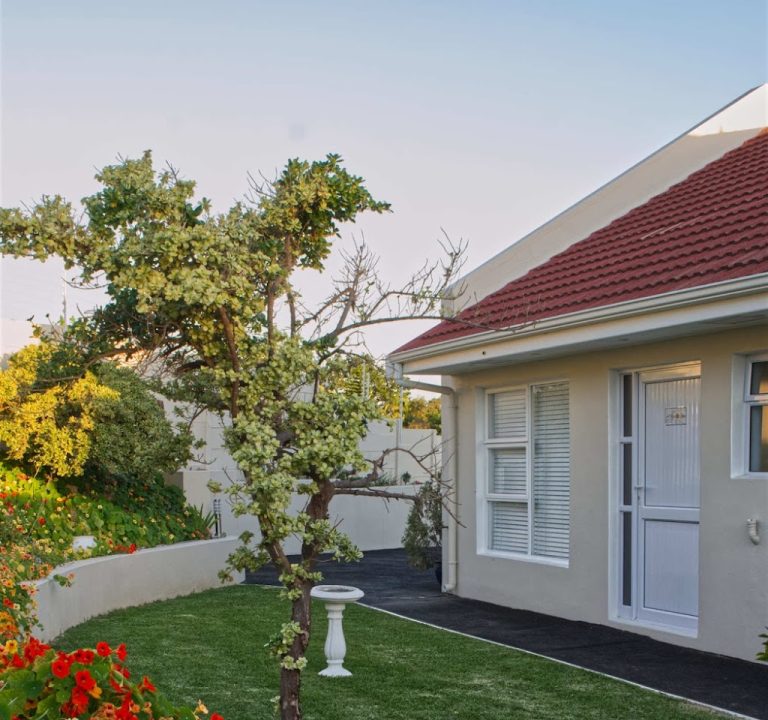
The Olive Cottage is a Self-catering accommodation establishment in Cape Town, Western Cape, South Africa
The Olive Cottage in Somerset West, Western Cape
Situated in a peaceful neighbourhood within the Helderberg region of Somerset West, The Olive Cottage presents a generous self‑catering retreat that sits beside the main house yet remains completely separate thanks to its own private entrance. The property has been described as a spacious, self-contained cottage that offers guests an independent base from which to explore the surrounding Western Cape area.
From the outside, the cottage blends into its residential setting, while inside it aims to provide sensible, comfortable accommodation for travellers who favour a relaxed, home‑from‑home experience. The self‑catering format means guests can enjoy the convenience of preparing meals at their own pace, making it an appealing option for longer stays or for visitors who appreciate flexibilty in dining arrangements. The arrangement of the unit being close to, yet clearly distinct from, the main residence suggests an atmosphere of privacy alongside a sense of belonging within the same property.
The Olive Cottage is frequently described in its listings as an open, easy‑going space designed for two guests, with the emphasis on a practical, self‑sufficient stay. While specific room layouts and in‑room facilities are not exhaustively detailed in the available material, the core offering remains a self‑contained, private‑entrance option tailored to guests seeking a quiet, convenient base from which to enjoy the Cape Town area and the broader Western Cape region.
Access and arrival are framed around a straightforward, self‑contained experience. Since the cottage is attached to the main house but with its own private entrance, guests may expect a degree of autonomy and a dedicated space that feels separate from the primary dwelling. The overall impression is of a modestly equipped, self‑catering accommodation that balances homely comfort with the practicality required for a relaxed stay.
Booking information and availability are typically routed through the property's linking pages, with references to listings on popular platforms such as Airbnb and LekkeSlaap. Prospective guests are encouraged to explore the primary online presence for The Olive Cottage at https://linktr.ee/TheOliveCottage, which aggregates access to the property's booking options and related profiles.
Best suited for travellers who value a quiet, self‑directed stay, The Olive Cottage appeals to those who prefer independence and the flexibility of self‑catering. The setting in Somerset West positions it as a potential base for exploring the broader Cape Town region, including the Western Cape’s coastline, wine routes and rural scenery, without commitment to high‑rise hotel environments. The overall tone conveyed in the available descriptions is one of relaxed, uncomplicated lodging that supports longer visits or short breaks alike.
- Private entrance with a self‑catering setup
- Detached from the main house, offering privacy and independence
- Quiet, residential neighbourhood in Helderberg, Somerset West
- Self‑contained accommodation suitable for two guests
- Booking options connected via The Olive Cottage’s online profiles
For travellers planning a Cape Town itinerary, tips generally point to flexibility and simplicity. The Olive Cottage aligns with this approach by prioritising a straightforward, self‑managing stay. With no fixed dining plan required, guests can enjoy meals at the cottage or step out to experience nearby eateries and markets at their leisure, subject to what is available in the surrounding area. When planning a visit, it is prudent to check the latest listing details and availability through the linked profiles to confirm room type, exact amenities, and any policies that may apply to a particular booking window.
Useful links for prospective guests include the main hub for The Olive Cottage at https://linktr.ee/TheOliveCottage, along with activity guidance and booking options that may be found on associated platforms. Visitors are advised to review current information close to the time of travel to ensure alignment with preferences and travel plans. The Olive Cottage presents a low‑friction option for those seeking a serene base near Cape Town, with a focus on practical, self‑guided comfort rather than a full‑service hotel model.
Cape Town
Western Cape
7130
South Africa

Exploring Cape Town: where to stay, what to do, and how to plan a memorable visit
Cape Town, in the Western Cape of South Africa, offers a dynamic mix of coastal scenery, mountain vistas and charming neighbourhoods, making it a superb destination for a stay characterised by variety. For travellers seeking self-catering options with independence and comfort, properties such as The Olive Cottage provide a practical base from which to explore the region at your own pace. When planning a stay, the choice of area can dramatically shape your experience and daily rhythms.
Neighbourhoods to consider range from leafy, residential pockets near the city bowl and the historic precincts of the Atlantic Seaboard, to quieter suburbs a short drive from central sights. If you favour easy access to beaches, scenic viewpoints and a more relaxed ambience, you might look to coastal suburbs with good transport links and local markets. If you prefer a central hub with quick access to museums, cafés and nightlife, a compact, well-connected neighbourhood near the city centre could be ideal. For families or couples seeking tranquillity, a secluded self-catering cottage in a residential enclave can offer privacy while staying within convenient reach of major sights.
When you choose a self-catering option like The Olive Cottage, you gain flexibility to plan meals around day trips and scenic stops. Look for a private entrance or separate access for privacy, a well-equipped kitchen, sufficient heating or cooling, and reliable Wi‑Fi for staying connected. A dedicated parking space or easy street parking can be a practical perk, especially if you plan to explore by car or hire a vehicle.
Typical amenities worth prioritising include comfortable bedding, en-suite or well-appointed bathrooms, a warm welcome, and access to outdoor spaces such as a terrace or garden. A small living area with a cosy setup and a compact or full kitchen can make a self-catering stay feel like a true home-from-home. A guide to local markets, bakeries, and grocers nearby can save time and enrich your stay with fresh, seasonal produce.
Transport in Cape Town is varied, with some areas offering decent pedestrian access and others relying on car travel or ride-hailing services. If you are staying outside the city centre, a rental car provides flexibility for day trips to renowned natural landmarks and wine routes. Within central areas, ride-hailing and well-serviced bus routes can simplify trips to Table Mountain, the V&A Waterfront, Kirstenbosch Botanical Gardens and the Constantia wine route, among other highlights. When booking, check the proximity to reliable transport options and consider a plan for the days you intend to visit popular attractions to avoid peak congestion.
The best time to visit Cape Town is influenced by your priorities. Summer (December to February) brings long days, sunshine, and great hiking conditions, but it can be busy. Spring (September to November) offers milder weather and blooming boulevards, often with fewer crowds. Autumn (March to May) and winter (June to August) bring cooler weather and quieter streets, which some travellers appreciate, alongside occasional rain. Regardless of season, mornings often offer clearer light for photography and daytime activities, with late afternoons ideal for enjoying coastal sunsets or scenic viewpoints.
Practical planning tips can help you maximise your stay. Pack layers for variable coastal weather, bring comfortable walking shoes for hills and clifftop trails, and reserve popular experiences or restaurant bookings in advance where possible. If you are sampling Cape Town’s cuisine, you may prioritise markets and casual eateries for a flavourful, budget-conscious approach, with a few refined options to pair with special evenings. Staying in a self‑catering property gives you the option to cook or picnic, which can be both economical and convenient after long days outdoors.
Attractions in and around Cape Town span natural beauty, heritage and culture. Natural highlights include iconic viewpoints over the Atlantic coastline, sweeping panoramas from mountain tops, and accessible coastal paths. Cultural and historical sites offer insight into the city’s diverse communities, while gardens and nature reserves provide tranquil escapes. For food lovers, Cape Town’s dining scene ranges from vibrant street food and casual bistros to seasonal tasting menus and contemporary cuisine, often featuring fresh seafood and locally sourced ingredients. Many visitors also enjoy areas where craft markets, wine-tasting rooms and bakeries showcase regional produce and artisan skills. A general plan might include a morning coastal walk, a visit to a garden or museum, followed by a relaxed lunch and an afternoon either exploring markets or taking a cable-car or hike to a scenic viewpoint.
In terms of venues and experiences, it is wise to balance must-see sights with time for wandering neighbourhoods, coffee stops, and coastal cafés. Self-catering stays can simplify day-to-day logistics, giving you the freedom to set your own pace, cook simple meals after long excursions, and savour ingredients bought from markets or shops along the way. For those seeking a consolidated overview, a thoughtful route might combine a day of nature and scenic drives with a day dedicated to art, history and local crafts.
To learn more about staying with The Olive Cottage and similar self-catering options, you can visit the property’s link and review its features and location: The Olive Cottage.
- Areas to consider: central city with easy access to sights; coastal suburbs for beaches and views; tranquil residential pockets for quieter stays.
- Booking considerations: private entrance, dedicated parking, well-equipped kitchen, heating/cooling, reliable Wi‑Fi.
- Amenities worth seeking: comfortable bedding, clean bathrooms, outdoor space, practical laundry facilities.
- Transport tips: balance car hire with ride-hailing and public transport; plan routes to avoid peak traffic.
- Best time to visit: plan according to weather and crowds; consider shoulder seasons for a calmer experience.
Sorry, no records were found. Please adjust your search criteria and try again.
Sorry, unable to load the Maps API.
Why Claim Your Listing?
Claiming your listing on the B&B Finder directory website is a valuable opportunity for business owners. Here are five reasons why you should consider claiming your listings:
Control Over Business Information: By claiming their listing, business owners can ensure that all the information presented is accurate and up-to-date. This includes details such as contact information, address, pricing, and available services or amenities. Accurate information helps prevent customer confusion and improves overall satisfaction.
Enhance the Listing: Once a listing is claimed, owners can enhance it by adding more comprehensive information and rich media, like high-quality photos and videos. These additions can make the listing more attractive and engaging to potential customers, thereby increasing the likelihood of bookings.
Marketing Opportunities: Claiming a listing can also open up additional marketing opportunities. Owners may be able to participate in promotional campaigns, special offers, and other marketing activities organized by the directory. This can increase visibility and attract more customers to the business.