De Rust: A Traveller’s Haven in the Western Cape for Accommodation, Attractions and Dining
De Rust, tucked along the scenic route between Mossel Bay and the Klein Karoo, offers a relaxed base from which to explore the Little Karoo’s open spaces, olive groves and mountain scenery. The village itself is compact but well supplied with lodging options, from intimate guesthouses and country inns to boutique lodges with sweeping views. A strategically planned stay can balance restful evenings with easy access to day trips into the surrounding area, including nature reserves, farms and viewpoints that characterise this part of South Africa.
When choosing where to stay in De Rust, consider the different neighbourhoods and settings. Some properties sit closer to the main street, providing a short walk to eateries, small shops and local accents, while others are perched on hillside plots or farm-like grounds with more space and privacy. If you are after a little extra quiet, look for lodges and guesthouses that offer private verandas, gardens or outdoor seating with views of the surrounding vineyards and mountains. Families, couples and solo travellers can each find a comfortable fit here, with options ranging from self-catering units to bed-and-breakfast style hospitality that includes breakfast or light evening meals.
Typical amenities in De Rust accommodation include comfortable en-suite bedrooms, outdoor seating areas, secure parking, and, in many cases, access to communal lounges or gardens. Some lodges invite guests to enjoy indoor fireplaces or wood-burning stoves for cooler evenings, while others may feature outdoor swimming pools, sun decks, and verandas designed to capture the Karoo light. If you are planning a longer stay or want greater flexibility, consider self-catering cottages or suites with private kitchens or kitchenettes. Availability may vary seasonally, so it helps to book well in advance if you are travelling during school holidays or peak climbing and flower-viewing periods.
Transport in and around De Rust is straightforward but differs from larger towns. The village is compact enough to explore on foot, especially along its central streets where cafés and galleries are clustered. If you plan day trips to farms, viewing points or nature reserves, a hire car is the simplest option. Car awareness is helpful on rural roads, which can be unpaved or winding in places. Some accommodation providers offer convenient shuttle arrangements or can suggest reliable local operators for transfers, guided tours, or farm visits. For those arriving by air, the closest major hubs are typically a few hours away by road, so a planned itinerary with a flexible approach works best.
The best time to visit De Rust depends on your aims. Spring and autumn bring mild temperatures and quieter roads for exploring. Summer can be warm and dry, ideal for long scenic drives, while winter offers cooler evenings and a dramatic, misty landscape in the early hours. If you are seeking wildflowers, plan a visit around the local flowering season, and be prepared for rapidly changing weather conditions in the mountains. Regardless of the season, the Karoo’s clear skies provide memorable stargazing opportunities on clear nights, often with silhouettes of distant hills and farmsteads as a tranquil backdrop.
When planning a stay, consider including a few local experiences to enrich your visit. De Rust appeals to travellers who enjoy gentle days in pastoral settings, with opportunities to enjoy countryside walks, birdwatching, or a farm-to-table dining experience within easy reach. Several guesthouses and lodges emphasise a relaxed pace, where you can unwind with a book on a veranda, take a scenic drive to nearby viewpoints, or arrange a guided nature walk. Dining experiences in the area generally showcase regional produce, with menus that highlight fresh, seasonal ingredients and informal, welcoming atmospheres. While exact offerings vary by establishment, most properties will be able to suggest a handful of nearby eateries that suit a range of tastes, from casual cafés to more refined dining rooms.
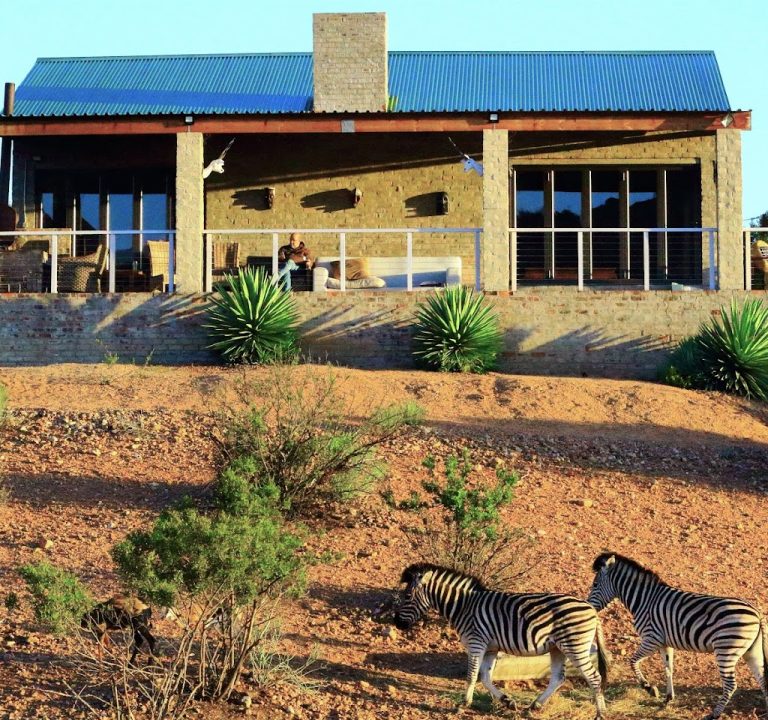
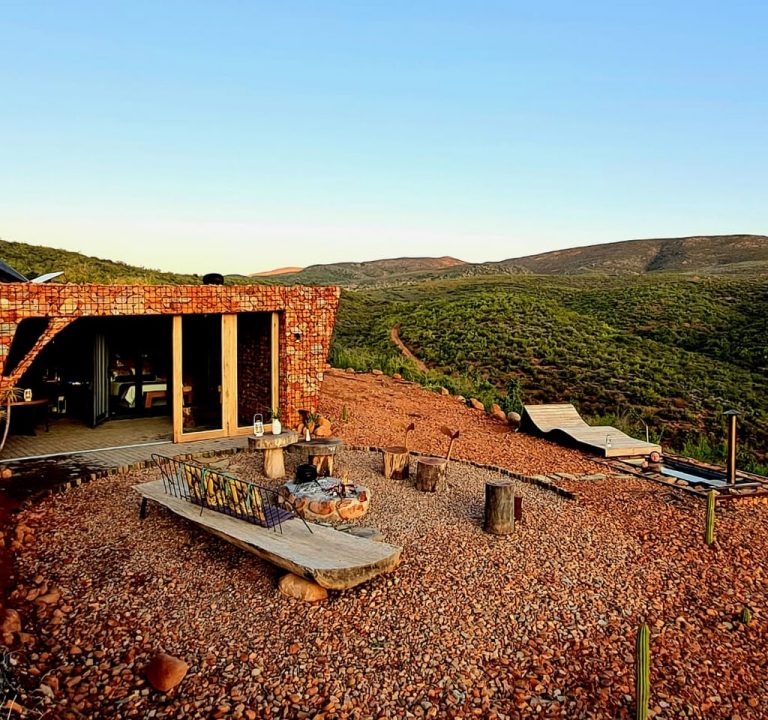
Accommodation options in De Rust commonly fall into a few broad categories. Guesthouses provide characterful rooms and an engaging host presence, often with included breakfast or the option to add meals. Boutique lodges offer a higher level of service, with well-appointed rooms, generous communal spaces, and sometimes panoramic views. For longer stays or greater independence, self-catering cottages or villas can be an ideal fit, equipping you with a kitchen and private outdoor space. A notable example of a local option is Zwartberg View Mountain Lodge, which sits in a rural setting with expansive views and a focus on comfort in a peaceful atmosphere. You can explore more about such properties at their site: http://www.zwartbergview.co.za/.
Practical tips to help you plan a smooth De Rust stay:
- Check elevation and climate: even in warm months, evenings can be cool, so pack a light jumper or jacket.
- Ask about meal options: many places offer breakfasts and dinners on request, which can be convenient after a day of sightseeing.
- Confirm accessibility and parking: confirm parking arrangements if you are driving a larger vehicle or require easy access to your accommodation’s entrance.
- Plan your day trips: identify a few anchor activities and use De Rust as a comfortable base rather than trying to do too many long drives in one day.
- Budget for variety: mix a couple of restful evenings with short drives to nearby attractions to balance pace and scenery.
Overall, De Rust works well for travellers seeking a quiet, scenic retreat with easy access to Western Cape highlights. The village’s lodging is geared towards comfort, practical convenience and a sense of place, allowing you to unwind while staying well connected to nature and regional attractions. Whether you prefer a cosy guesthouse with a friendly hosts, a boutique lodge with generous common areas, or a self-catering retreat that feels like a home away from home, De Rust provides a grounded, characterful base for exploring the Klein Karoo and the broader Western Cape landscape.