A practical guide to accommodation and experiences in De Rust, Western Cape
De Rust is a small village in the Little Karoo, nestled near the Swartberg Mountains and the Meiringspoort Pass. It’s a destination that lends itself to relaxed exploration, beautiful scenery and warm hospitality. When planning a stay, consider the village’s compact nature and the surrounding landscape, which combine to offer restful countryside living with access to outdoor adventures and gentle day trips.
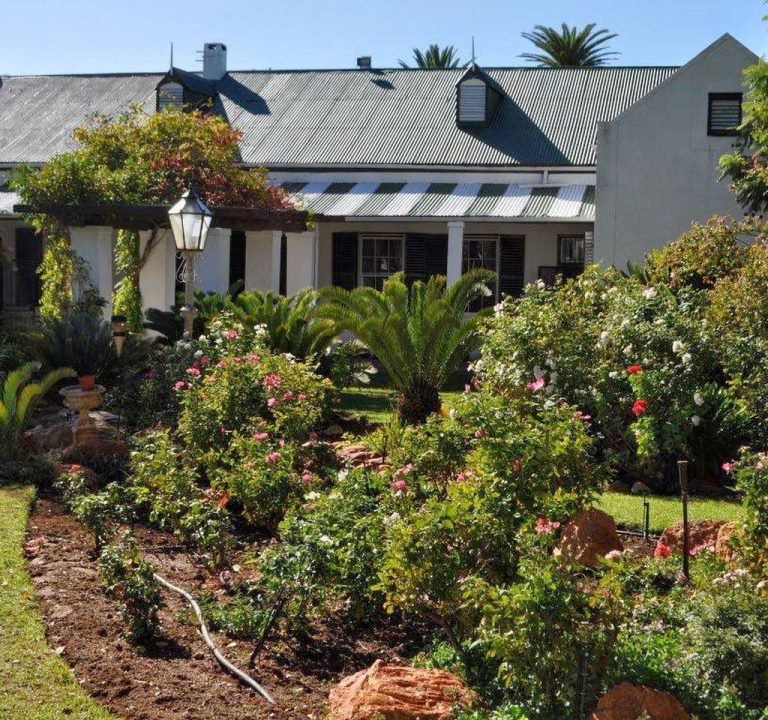
Accommodation options in and around De Rust vary from charming bed and breakfasts and guesthouses to self‑catering cottages and small lodges. Many properties emphasise a personal touch, with hosts who can share local tips, maps and a sense of place. Given the popularity of the region for nature and outdoor activities, it’s common to find rooms or cottages that prioritise natural light, cosy interiors and a connection to the outdoors—often with access to verandas, gardens or courtyards where you can listen to birds and enjoy the Karoo air.
When choosing where to stay, think about three practical considerations: location relative to your planned activities, the level of seclusion you prefer, and the type of breakfast or self‑catering facilities you want. De Rust itself is small enough to walk or cycle within, but many travellers also hire a car to explore the surrounding scenery and to reach nearby towns and viewpoints. If you are visiting in peak season (typically spring through autumn in the Southern Hemisphere), expect a popular but not overcrowded atmosphere, with hosts often offering recommendations for local trails, farms and viewpoints.
Areas to consider within and around De Rust include the village core, where most B&Bs and guesthouses cluster, and the quieter outskirts that tend to offer larger plots, more solitude and garden or mountain views. If you prioritise hillside or riverine scenery, look for properties that advertise terrace or balcony access, or that are set along lanes with easy access to walks into the surrounding hills. For self‑catering stays, choose a place with a well‑equipped kitchen, secure parking and reliable heating or cooling, depending on the time of year you visit.
Transport is straightforward: a hire car offers the greatest freedom to explore the Klein Karoo, with day trips to Meiringspoort and other sandstone canyons, as well as short drives to nearby towns for groceries and meals. Within De Rust, a comfortable pair of walking shoes, a light jacket for cooler evenings and a small backpack for day trips are useful. If you prefer not to self‑drive, some guesthouses can arrange guided tours or transfers for local sights and experiences, subject to availability.
Best time to visit De Rust tends to be during the spring and autumn shoulder seasons, when temperatures are mild and landscapes are vibrant with wildflowers or autumn colours. Summer can be warm with clear, sunny days ideal for outdoor activities, while winter brings cooler mornings and quiet evenings—great for those seeking a peaceful retreat and unobstructed night skies. Regardless of season, the Karoo’s tranquil atmosphere and expansive skies are a constant draw.
Major activities in and around De Rust centre on outdoor exploration and reflective natural beauty. The nearby mountains and gorges offer hiking routes of varying difficulty, with opportunities to spot native flora and birdlife. Meiringspoort provides dramatic scenery and a chance to contrast a sheltered valley with the open Karoo plains. For those who enjoy a gentler pace, there are scenic drives, farm stalls and local produce that showcase the region’s agricultural character. Depending on the season, guests may also find fruit picking, cellar doors or craft‑fringed markets within a comfortable driving radius.
After a day outdoors, many visitors appreciate the laid‑back dining scene in and around De Rust. Local eateries typically offer hearty, country‑style menus, seasonal ingredients and a warm welcome. Rather than aiming for fine‑dining formality, the emphasis is on approachable, tasty meals that suit a relaxed itinerary. It’s common to encounter dishes inspired by Karoo flavours, with options for vegetarians or travellers seeking lighter fare. If you plan a couple of meals out, it’s a good idea to check for dinner availability with your accommodation host or at nearby venues, especially during busier periods.
When booking, look for details about typical amenities that will shape your stay. Practical niceties such as free Wi‑Fi, safe on‑site parking, heated or cooled rooms, comfortable bedding and well‑equipped bathrooms can make a substantial difference. If you intend to cook, confirm kitchen appliances, cookware and a reliable water supply. Fresh air, clean surroundings, and pleasant communal areas—terraces, gardens, lounges—can significantly enhance the experience of a Karoo stay. Some properties also offer features like outdoor seating, barbecues, or easy access to trails and viewpoints, which are worth seeking out if you enjoy an in‑house moment with a view.
Sample amenities to look for when researching options:
- Private or shared spaces with outdoor seating and views
- Well‑equipped kitchens or continental breakfast provisions
- Heaters or fans for seasonal comfort
- Secure parking and vehicle access to rural roads
- Wi‑Fi and workspace facilities if you need to work during your stay
For planning, keep a flexible schedule to accommodate weather and sunset views, which are particularly striking in the Karoo. Pack layers, a sunscreen and a refillable water bottle. Respect the natural environment when visiting reserves or open spaces—stick to marked paths, carry litter out with you, and be mindful of the delicate desert‑like ecology that characterises the region. With thoughtful planning, De Rust provides a restful base from which to absorb the region’s stark beauty, friendly hospitality and opportunities for gentle adventure.