Accommodation and Attractions in De Rust, Western Cape: A Traveller’s Guide
De Rust, nestled in the scenic corner of the Western Cape, offers a charming escape from the bustle of city life. Known for its warm hospitality, surrounding nature, and proximity to a string of historic and outdoor attractions, this village makes a satisfying base for travellers exploring the Little Karoo and the Garden Route hinterland. Whether you prefer a boutique guesthouse, a cosy B&B, or a small hotel, De Rust presents a range of options designed to suit different budgets and travel styles.
Areas to consider when planning a stay include the central village heart, where most guesthouses and inns cluster, often within easy walking distance of eateries, galleries, and the area’s quiet streets. Some properties sit a little closer to the Oudtsuijsvlei wetlands or along the outskirts where larger plots offer tranquil, countryside views. When choosing accommodation, think about what matters most for your trip—ease of access to key sites, parking availability, or a more secluded setting with expansive views. If you’re hiring a car (the most practical option for getting around the region), look for places with secure parking and straightforward routes to nearby attractions.
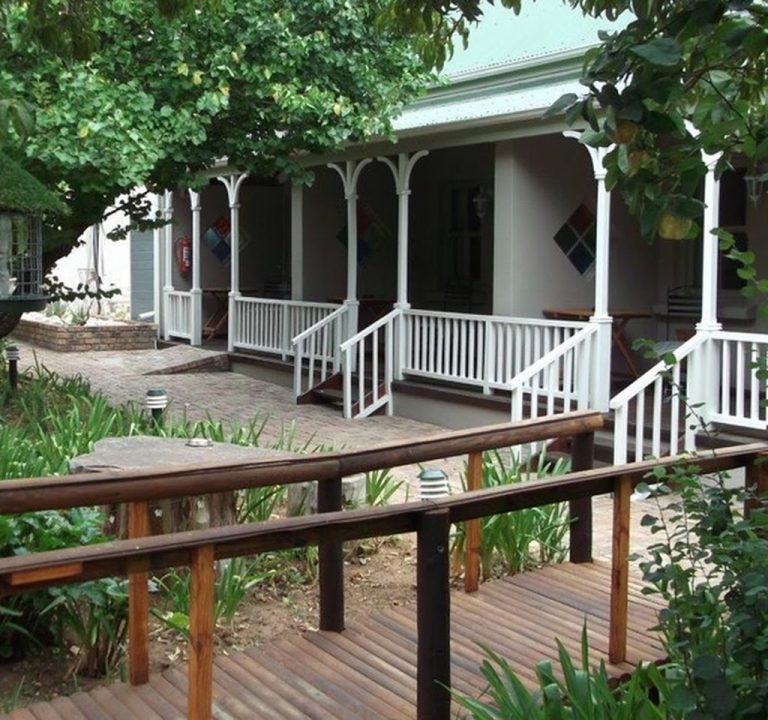
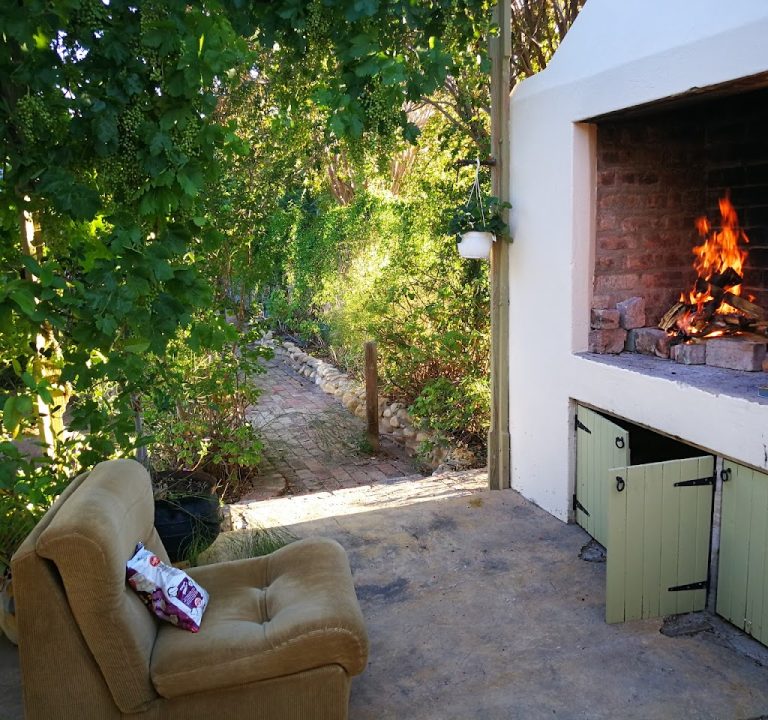
Typical amenities you might encounter include en-suite rooms with private entrances, guest lounges, and outdoor seating areas. Many establishments offer cooked breakfasts, some with specialised dietary options, and there is usually free on-site parking. A few guesthouses provide self-catering facilities or kitchenettes, which can be convenient for longer stints or family visits. If you prefer a hotel-style stay, some properties may offer additional services such as organised tours or guided activities, so it’s worth enquiring about what is available during your stay.
Transport in and around De Rust is most convenient with a vehicle. The surrounding countryside rewards drivers with open roads, scenic viewpoints, and access to regional routes that connect to other towns and natural attractions. If you’re flying in, the closest major hubs are a driving distance away, so plan to hire a car upon arrival. For shorter visits, you can sometimes arrange transfers through your accommodation, but confirm this in advance. Within the village, walking is pleasant for short distances, while bicycles can be a fun way to explore if your lodging provides them or can arrange bike hire.
The best time to visit De Rust depends on what you seek. Spring and autumn typically offer mild weather with fewer crowds, ideal for hiking and outdoor exploration. Summer brings longer days and green landscapes, though it may be hotter in the afternoons. Winter is quiet and atmospheric, with cooler mornings and evenings that are perfect for cosy meals inside after a day of exploring. If your itinerary includes outdoor activities such as wildlife viewing, water-based excursions, or scenic drives, check the seasonal conditions and daylight hours to make the most of your days.
Attractions in the De Rust area generally fall into nature, culture, and local heritage categories. You can expect easy access to nature trails, wetlands, and rolling Karoo scenery, plus opportunities to learn about the region’s rural life and architectural history. Many visitors enjoy exploring nearby towns and farms, sampling local produce, and taking in the quiet, timeless atmosphere that defines the Western Cape’s interior. When planning day trips, allow time for flexible itineraries—the route between De Rust and other destinations often features winding roads and viewpoints where you’ll want to pause for photographs or a longer stop for lunch.
Dining options in and around De Rust usually emphasise seasonal, regional flavours. Expect uncomplicated, hearty meals in intimate settings, with menus that familiarise visitors with the area’s produce. Some establishments provide a refined dining room experience, while others offer more casual fare suitable for families. If you’re exploring on a budget, look for places offering breakfast inclusions or nearby cafés with light meals and excellent coffee. For nights out, you’ll often find friendly pubs or eateries where local culture and conversation are part of the experience. Booking ahead is advisable during peak travel periods, particularly for larger groups or weekend stays.
Practical tips to make the most of your stay in De Rust:
- Book accommodation with clear information about parking, walking access to town facilities, and kitchen or self-catering options if your plans include extended stays.
- Ask about laundry facilities and late-arrival arrangements if you’re travelling by car from distant locations.
- Carry a light layer for cooler evenings, and a hat and sunscreen for daytime outdoor activities.
- Check local maps or your host's guidance for the best nearby viewpoints, nature trails, and informal spots for sunset views.
- Expect a relaxed pace: use travel time to appreciate the landscape, birdlife, and rural architecture rather than rushing between sites.
For accommodation that provides a straightforward hub from which to explore the region, consider established establishments with a reputation for thoughtful hospitality. Rus In De Rust, for example, offers a well-located option within the village and maintains a presence online at its website, which can provide practical details about stays, amenities, and nearby attractions. Visiting the property’s official website can help you compare rooms, availability, and any on-site facilities that align with your needs.
Overall, De Rust rewards travellers who value a calm, countryside base with access to diverse experiences—nature, heritage, and the chance to savour local flavours in a relaxed western cape setting. With careful planning around transport, room features, and timing, a stay in De Rust can be the cornerstone of a memorable southern African journey.