Accommodating a Stay in De Rust: Where to Stay, What to Look For, and How to Plan
De Rust, a tranquil village in the Western Cape’s Little Karoo, offers a range of guesthouses, boutique stays, self-catering cottages and rustic lodges that suit travellers seeking a relaxed base for exploring the surrounding valleys, wildlife reserves and heritage sites. When planning a stay, think about how you want to experience the area: as a peaceful retreat, a practical stopover on a road journey, or a gateway to outdoor adventures and architectural interest. The village is small enough for a walkable stay, but well connected enough for day trips to nearby towns and natural attractions.
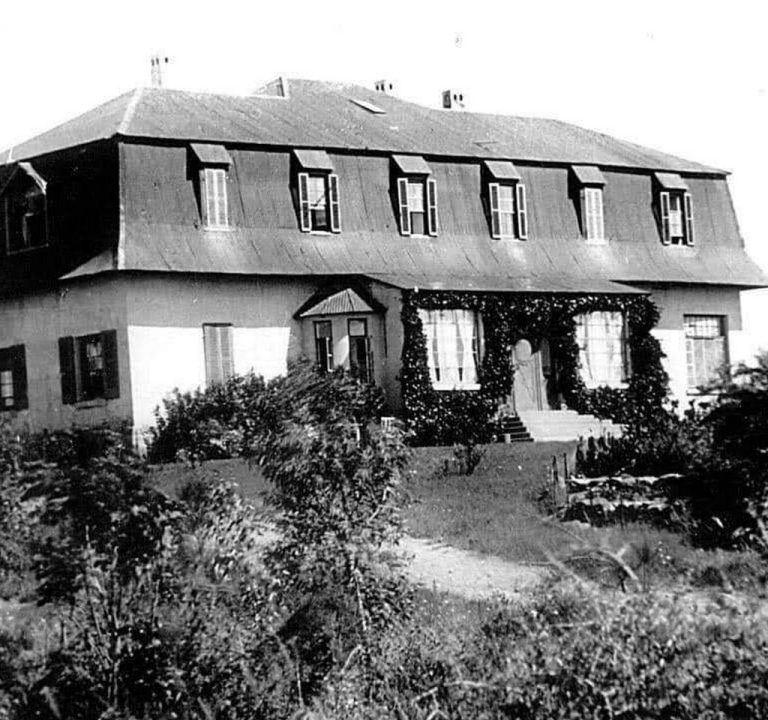
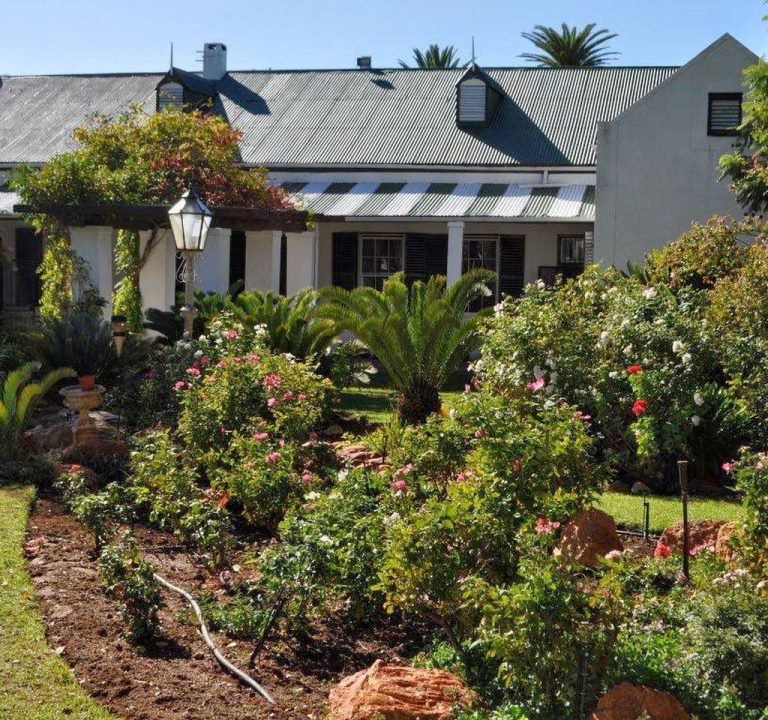
Accommodation in De Rust varies from intimate BnBs to family-run guesthouses and small lodges. Many properties are housed in traditional Karoo buildings with whitewashed walls, wooden verandahs and simple, comfortable interiors. Amenities commonly found across options include comfortably sized bedrooms, en-suite or private bathrooms, warm heating for cooler evenings, and self-catering facilities or shared kitchen space for those who prefer to prepare their own meals. A good mix of options often features tea and coffee facilities, secure parking, and guest lounges or outside seating where you can unwind after a day of exploring. If you’re travelling with children or pets, look for properties that explicitly welcome them and provide family-friendly layout or garden spaces.
Choosing an area within De Rust comes down to your priorities. The village centre is convenient for easy access to cafés, small shops and information points, and it’s a pleasant base for strolls along quiet streets. For a more secluded feel, look for guesthouses set along vineyards or hillside lanes with views over the surrounding valley. If you prefer a longer walk or easy access to outdoor activities, consider staying near the edge of town or slightly outside the central strip, where rural tranquility and nature trails are often more pronounced. When booking, request clear information about check-in times and whether the property offers self-check-in or staffed reception, which can ease travel plans, especially if you arrive late in the day or after hours of travel.
Transport in and around De Rust is typically car-based. The village is approachable by road, and many visitors arrive via highways that connect to national routes. If you’re relying on public transport, plan ahead since services are limited and can be sparse on weekends. Most travellers find it convenient to hire a car for the duration of their stay to explore the district’s farms, rugged scenery, and surrounding towns without constraint. If you’re not driving, check whether your accommodation can assist with arranging local transfers or guided day trips, which some hosts offer or can arrange through trusted partners.
Best time to visit De Rust depends on what you wish to do. Spring and autumn offer mild temperatures and quieter landscapes, ideal for hiking and photography. Summer brings warmer days suitable for scenic drives and outdoor dining, while winter can be cool and crisp, with starry night skies and a slower pace that many travellers enjoy. If you’re planning to visit local nature reserves or reserve-friendly activities, it’s worthwhile to align your stay with the opening times and seasonal accessibility of specific trails and viewpoints.
Typical activities and nearby attractions include scenic nature walks along well-marked routes, birdwatching, and short drives to neighbouring towns known for their heritage and craftsmanship. While the village itself is small, the surrounding region offers farms, olive groves and natural landscapes that are perfect for day trips, photography, picnics and quiet contemplation. Dining in De Rust is characterised by intimate, village-style eateries and cafés where seasonal produce and regional flavours are showcased. Rather than focusing on specific names or prices, plan to explore a handful of local venues during your stay, allowing you to sample the casual hospitality and relaxed dining that characterise the area. If you prefer self-catering, many guesthouses provide kitchens or kitchenettes, enabling you to dine in at your leisure after returning from a walk or outing.
Practical planning tips for a smooth visit:
- Book early during peak travel periods to secure an option that matches your preferred ambience and location within De Rust.
- Check bed arrangements, bathroom configurations, and whether air conditioning or heating is needed for your travel season.
- Confirm accessibility details if you require ground-floor rooms or step-free access.
- Clarify breakfast provisions, as some properties offer inclusive meals while others provide self-catering options.
- Ask about parking arrangements and security, especially if you plan to wander off on day trips with a rental vehicle.
- Inquire about local recommendations for trails, viewpoints and day trips to ensure you make the most of your stay.
- Prepare for variable weather with layered clothing and comfortable footwear suitable for gravel paths and uneven surfaces common in rural settings.
For those planning a shorter break versus a longer escape, De Rust makes an appealing base. It pairs restful accommodation with proximity to nature, heritage farms, and regional landscapes that invite slow, deliberate exploration. While the village can be experienced on foot, keeping a flexible itinerary will help you weave in visits to nearby towns, markets, and countryside routes. A well-chosen stay in De Rust can provide a calm, authentic South African rural experience with uncomplicated comforts and easy access to outdoor adventures, nature reserves, and country-style dining.