Staying in De Rust, Western Cape: accommodation, planning and local highlights
De Rust is a tranquil gateway to the Klein Karoo, perched along the Olifants River with rugged scenery, fragrant fynbos and easy access to dramatic gorges and historic farmsteads. When planning a stay, consider where you will bas e yourself to explore the countryside and the nearby towns. The village itself is compact and welcoming, while the surrounding farms and guesthouses offer varying focuses—from rustic charm to stylish comfort. A well-chosen base helps you balance restful mornings with day trips to the region’s natural and cultural highlights.
Areas to consider for a stay include the village core, where many guesthouses and boutique stays are within easy walking distance of the shops, eateries and countryside paths. If you prefer a more rural feel, look for farmstays or agritourism properties on the outskirts. Some visitors opt for a longer stay at a farm-focused retreat to immerse themselves in quiet mornings, slow meals, and the scent of grass and lavender after rain. Whatever your choice, check how the accommodation handles noise, parking, and access to outdoor spaces, as these factors significantly shape a relaxing retreat.
Typical amenities in De Rust accommodation range from private verandas and braai areas to pools, well-equipped kitchens, and Wi‑Fi. Look for thoughtful touches that save time on planning, such as flexible check-in, clear directions to the property, sufficient lighting for evening strolls, and secure parking. If you are travelling with family or a group, confirm the number of bedrooms and whether there are communal spaces for shared meals. For those seeking a compact escape, a well-designed studio or self-catering unit can be ideal, while couples or travellers seeking indulgence may enjoy a guesthouse with intimate dining spaces or cosy lounges.
Transport is typically easiest with a car, as De Rust lies outside larger towns and public transport options are limited. If you are renting, ensure you have clear directions and parking arrangements. A car also makes it practical to explore the nearby routes, such as winding passes and viewpoints, as well as the surrounding farms and farmer’s markets. On arrival, pockets of quiet streets and slow lanes invite short strolls to admire local architecture, riverside banks and scenic drives. If you plan day trips, map routes that connect with a few must-see lookouts, stopping points for coffee or light meals, and parking near any major attractions.
Best time to visit De Rust depends on your priorities. Spring and autumn offer mild weather and shoulder-season quiet, ideal for hiking and photography. In summer, the days can be warmer, with opportunities to swim in river pools or enjoy longer daylight for outdoor meals. Winter brings cooler mornings and a crisp air that adds drama to the mountains; some visitors relish the tranquillity and fewer crowds. Consider school holiday calendars and harvest seasons when planning to avoid peak periods, or book well in advance if you want specific properties during popular times.
Practical tips for a smooth stay:
- Book a property with clear cancellation terms and good communication to avoid surprises if travel plans change.
- Confirm access to outdoor spaces (patio, garden, braai) so you can enjoy De Rust’s landscapes from your accommodation.
- Check distance to major points of interest and plan a logical route to minimise backtracking.
- Ask about self-catering options, as many guests appreciate preparing light meals after a day of exploring.
- In peak seasons, consider flexible plans or alternative dates to secure preferred properties or room types.
When it comes to attractions and dining, De Rust offers a gentle mix of outdoor adventures and relaxed eateries. You may encounter dramatic scenery along rivers and gorges, heritage streets, and quiet trails that suit most fitness levels. The region also provides access to wider Karoo experiences—such as cave formations, sweeping viewpoints, and farm-to-table style meals that reflect the rural milieu. For meals, look for places that showcase local ingredients and seasonal flavours, with menus that emphasise simple, well-prepared dishes alongside regional specialities. If you are seeking a memorable experience, ask your hosts or local information points about guided walks, birdwatching spots, or light afternoon excursions that suit your pace and interests.
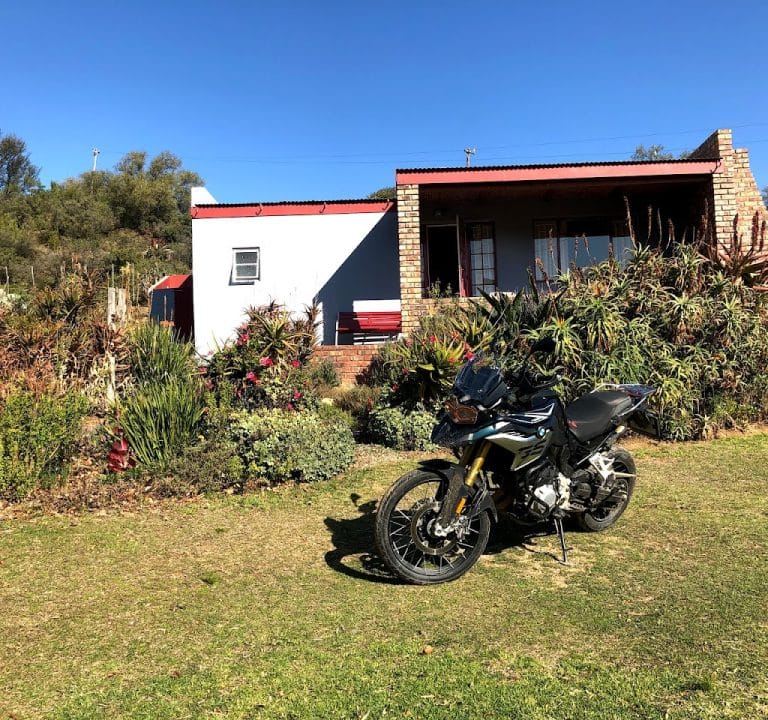
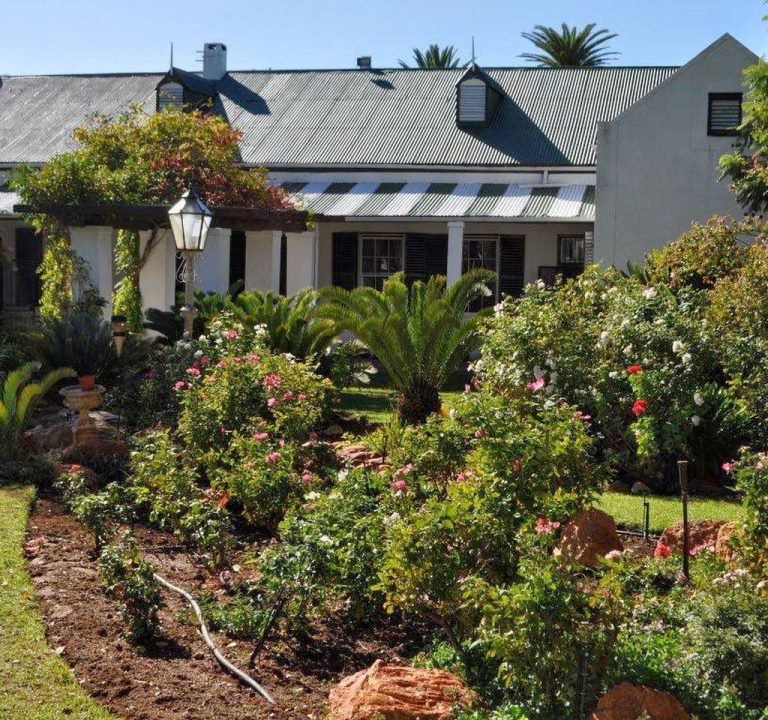
One example of a stay type in De Rust is a farmstay such as Aleandrii Farmstay, which embodies rural hospitality and a countryside ambience. While individual properties vary, farmstays commonly offer opportunities to observe or participate in farm routines, enjoy expansive views, and experience a slower rhythm that many visitors seek. If you plan to stay there or similar properties, review practical details such as housekeeping arrangements, access to cooking facilities, pet policies if relevant, and how the exterior spaces are designed for outdoor enjoyment.
For planning resources, consider checking official regional tourism guides and local guesthouse directories for current information on accommodations, routes, and seasonal events. While specifics such as opening hours and prices are best checked closer to your travel date, staying flexible and prepared will help you make the most of De Rust’s relaxed charm and the surrounding Klein Karoo landscape. A well-chosen base combined with light prep for scenic drives, short walks, and cafe stops makes your De Rust stay both restorative and engaging, with easy access to the broader Western Cape countryside.