Discovering Cape Town: Where to stay and how to plan your visit
Cape Town, set against the iconic Table Mountain and framed by the Atlantic shores, offers a diverse mix of neighbourhoods, styles of accommodation and experiences. When planning a stay, think about how you want to move around the city, what kind of pace you prefer, and how close you’d like to be to beaches, mountains or historic districts. Whether you’re seeking a buzzy hostel, a boutique guesthouse, a self‑catering apartment or a comfortable hotel, Cape Town’s hospitality sector is well prepared to welcome travellers with a range of budgets and tastes.
Areas to consider
The City Bowl forms a compact hub of shops, museums and dining, with easy access to Table Mountain via cableway or hiking trails. The Atlantic Seaboard spans from the stylish suburbs of Camps Bay and Clifton to the historic Sea Point promenade, offering long beaches, sunset views and a lively coastal vibe. Green and leafy Constantia sits further inland, perfect for villa‑style stays and winery experiences. Bo‑Kaap, with its colourful houses and steep streets, provides a rich cultural backdrop and proximity to central sights. Woodstock and the nearby neighbourhoods are popular with trendy boutiques, vibrant eateries, and a growing selection of guesthouses and boutique hotels. For a quieter base with value, look to areas just outside the city centre that still offer quick access to major attractions by road or rail.
What to look for when booking
Consider proximity to the sights you plan to visit most, and whether you will rely on public transport or car hire. If you’ll be aiming to explore Table Mountain, the V&A Waterfront, and the central museums, staying near the city centre or along the Atlantic seaboard can reduce travel time. For beach days, choose properties near Camps Bay, Clifton or Sea Point. Check the property type and size to suit your group, note whether breakfast is included, and see if there are self‑catering facilities, parking, and 24‑hour reception. Read cancellation terms carefully, particularly in peak seasons when demand can be high. For longer stays, a self‑catering apartment or a guesthouse with kitchen facilities can offer convenience and cost savings.
Typical amenities you may encounter
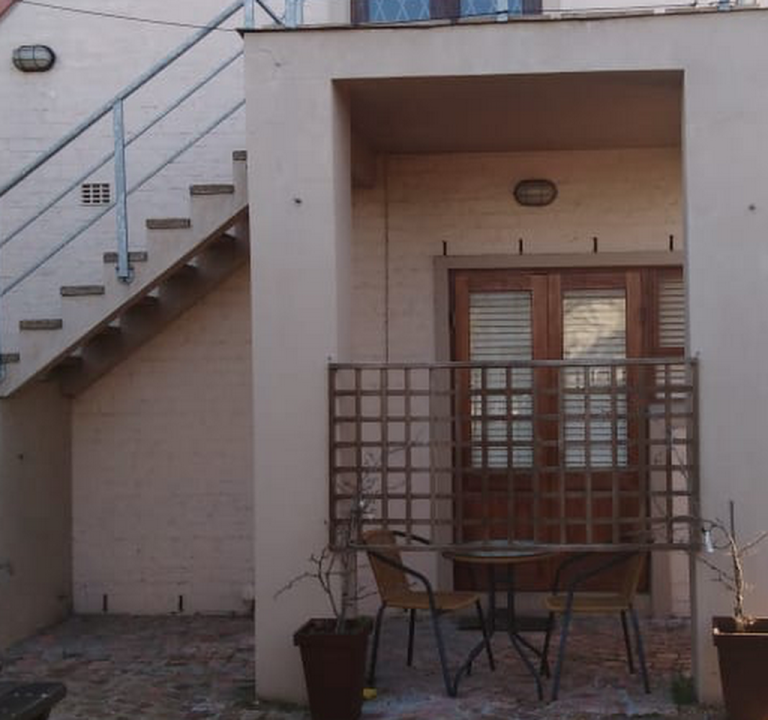
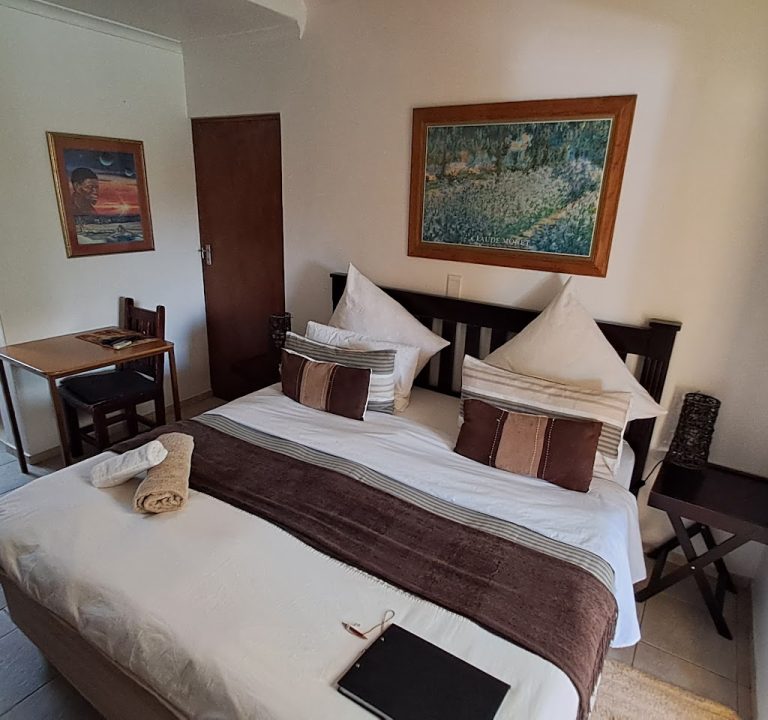
Most options will offer a combination of Wi‑Fi, tea and coffee facilities, and daily housekeeping. Many hosts provide compact kitchen access or shared kitchen facilities, free parking or secure parking, and secure entry. Expect clean linens and towels, local information on transport and attractions, and guidance on safe neighbourhood practices. Some properties will feature communal lounges, rooftop decks or terraces with views, and on‑site dining or breakfast provisions. In higher‑end segments, you may find enhanced amenities such as swimming pools, gym access, or spa services. If you’re sensitive to noise, look for properties in quieter streets or check for soundproofing details in reviews.
Transport and getting around
Cape Town’s transport landscape includes the MyCiTi bus network, suburban rail, ride‑hailing options and car hire. The MyCiTi system is straightforward in central areas and along major routes, while Uber and similar services offer convenient door‑to‑door travel, especially to beaches and attractions with limited parking. If you’re renting a car, verify parking arrangements and consider the seasonally higher traffic towards popular coastal routes. For longer stays, a combination of public transport for city sights and a rental car for day trips to the Cape Peninsula, wine routes or Constantia can be ideal.
Best time to visit
Cape Town enjoys a Mediterranean climate with dry summers and wet winters. The period from late spring to early autumn (roughly September to April) is popular for outdoor activities, beach days and hiking, with mild to warm weather. Winter (May to August) brings cooler, wetter days but can be a good time for city exploration, fewer crowds and lower prices in some accommodations. Shoulder seasons often provide a balance of reasonable room rates and pleasant conditions for exploring both the city and the surrounding scenery.
Practical tips for travellers
Plan well in advance for peak seasons such as school holidays and long weekends. Check whether your accommodation has easy access to public transport or whether a car is preferable for your itinerary. Pack layers for the varying coastal climate, sun protection for outdoor activities, and comfortable footwear for hills and stairs in historic districts. While Cape Town is generally welcoming to travellers, stay aware of your surroundings in unfamiliar areas after dark and follow local advice on safe neighbourhoods and routes. Do not forget to allocate time for iconic landscapes and experiences at varying light conditions—sunrise and sunset can transform views of Table Mountain and the coastline.
Attractions and experiences in general terms
From the natural grandeur of Table Mountain and the Cape Peninsula to world‑class museums, markets and galleries, there are abundant opportunities to explore nature, history and culture. Outdoor adventures such as coastal walks, scenic drives along the coastline, and botanical gardens sit alongside cultural itineraries that reveal Cape Town’s diverse heritage. While details vary by season, many visitors enjoy guided walks, harbour cruises, vineyard tours in nearby regions, and dining experiences that showcase South African cuisine. Within easy reach are the waterfront precincts, where you can wander along promenades, browse local crafts, and choose from a range of eateries that reflect the city’s multicultural flavour.
Restaurants and dining in general terms
Cape Town’s dining scene ranges from casual cafés and bistros to elevated fine dining and ethnic eateries. You’ll find plenty of options near the central city, the harbour, and the coastal suburbs, with menus that emphasise fresh seafood, seasonal produce, and South African flavour profiles. Booking ahead can help secure a table at popular venues, particularly during peak periods. Many accommodation providers can offer recommendations and assist with reservations, as well as provide maps and local tips to help you make the most of your stay.
- Choose a base that matches your plans—city sights, beaches, or wine country retreats.
- Assess transport options and proximity to your must‑see attractions.
- Consider a mix of accommodation types if you’re staying more than a few days.