Discovering Cape Town: Accommodation, Attractions and Practical Planning
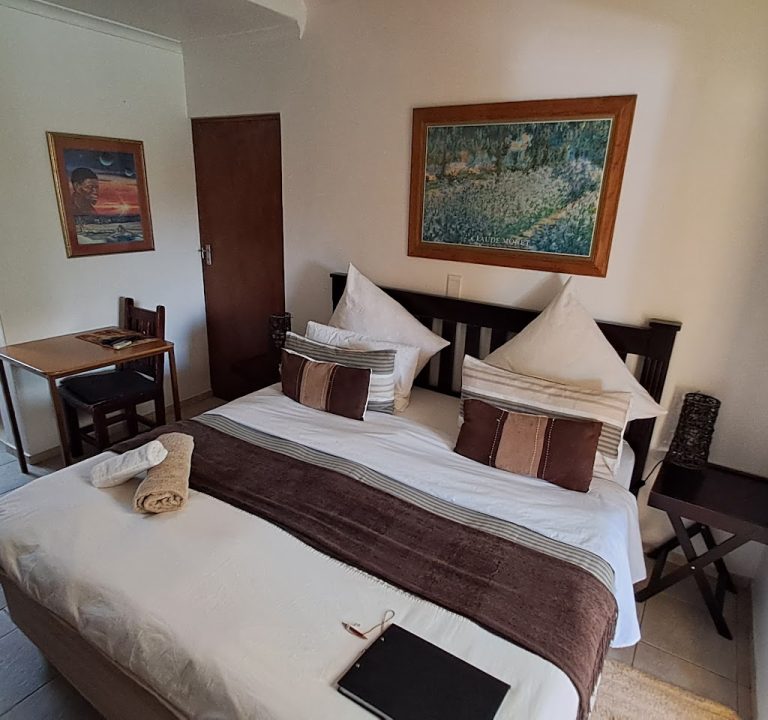
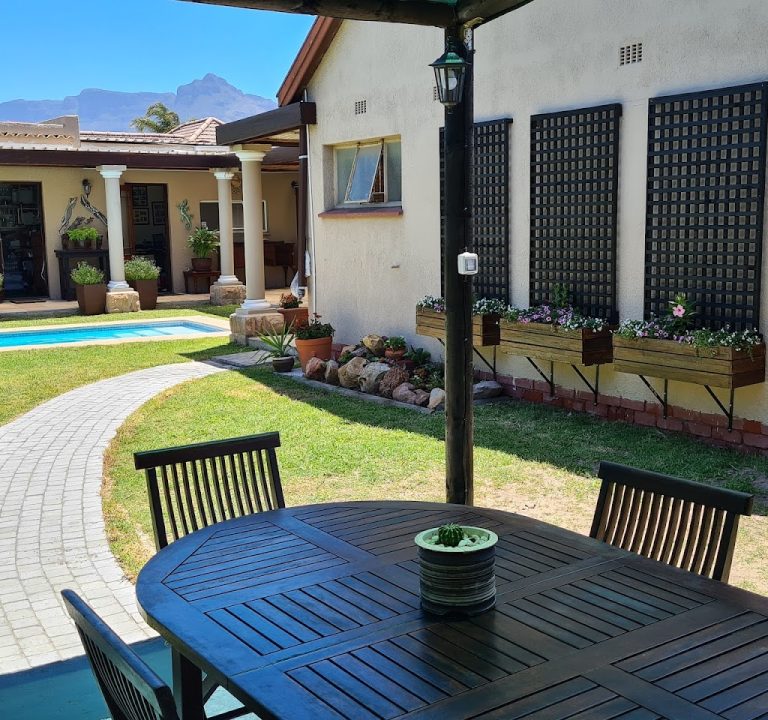
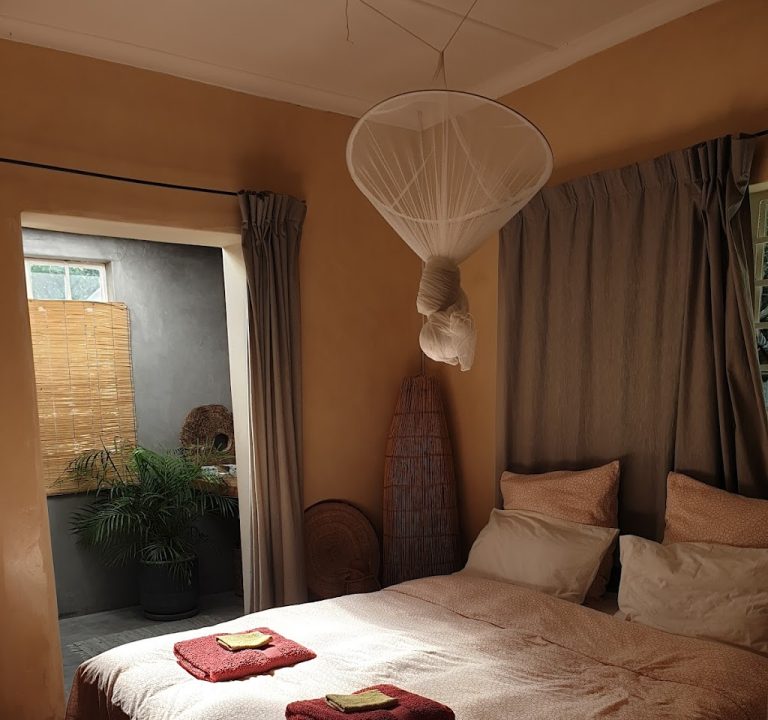
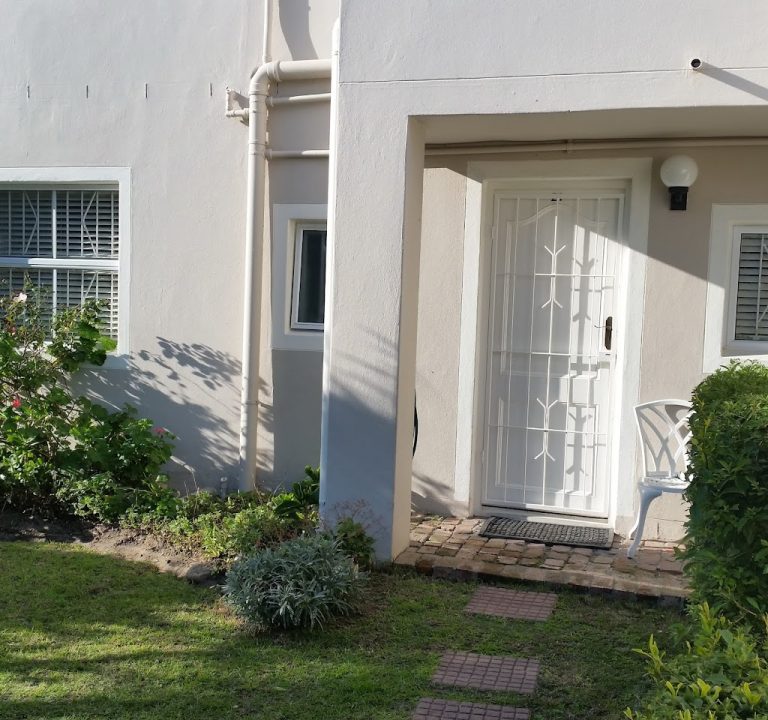
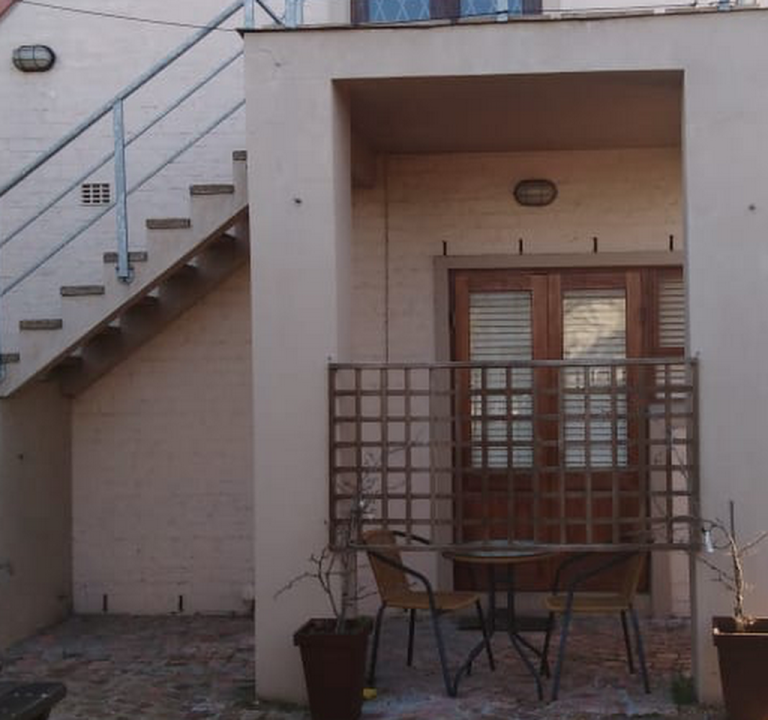
Cape Town in the Western Cape offers a diverse range of places to stay, from boutique guest houses to contemporary hotels and self-catering apartments. Whether you are drawn to the dramatic coastline, the city’s vibrant neighbourhoods, or the winelands just a short drive away, choosing the right area and the right property can shape your whole visit. A guest house such as DELASH PINE VILLA provides a homely base with personalised touches, while hotels and lodges near key sights offer convenience for longer city explorations.
Areas to consider when planning your stay include the Atlantic Seaboard, where coastal walks, mountain views, and brunch spots are plentiful; the City Bowl, which keeps you close to museums, markets, and nightlife; and Constantia or the Cape Winelands, ideal for day trips and serene settings. If you are travelling with family or friends, consider a property with flexible space, comfortable common areas, and easy access to public transport or parking. For urban immersion, a stay in Woodstock or the southern suburb of Camps Bay can balance charming neighbourhood character with quick routes to the hills and coastline.
When booking, look for several practical details. Proximity to the main sights you plan to visit matters, but so does the route to those sights. Early morning or late afternoon light can transform views of Table Mountain or the Atlantic coast, so a well-situated property may save time and reduce crowds. Check the neighbourhood vibe, which can range from bohemian and artistic to quiet and residential. For a quieter stay, seek out properties away from main traffic routes but still within easy reach of a MyCiTi bus stop or a sheltered car park if you plan to self-drive.
Typical amenities to expect include comfortable beds, reliable Wi‑Fi, and secure access. A well-equipped kitchen or breakfast service is convenient for flexible plans, and off-street parking or easy street parking can be essential in busy areas. If you are visiting in peak season, confirm whether the property offers warm communal spaces, a pool, or outdoor terraces—these can be welcome retreats after day-long excursions. For business or longer stays, a comfortable workspace and charging facilities nearby can be a deciding factor. Where possible, read recent guest reviews to gauge consistency and the host’s responsiveness.
Transport in Cape Town is varied. The city centre is well connected by buses and some rideshares, while the Atlantic Seaboard and southern harbour areas are popular for scenic drives. If you are exploring the surrounding nature and winelands, renting a car offers flexibility, though many areas around the centre are walkable or a short taxi ride away. For visitors prioritising views and outdoor activities, it is worth staying near the iconic viewpoints and coastal paths while allowing time for a cable car ride or a short hike to vantage points on Table Mountain or the surrounding ridges.
The best time to visit Cape Town depends on what you want from your trip. Our summer runs from November to February, with longer days and a lively outdoor scene, though it can be busy. Autumn (March to May) brings milder weather and fewer crowds, while winter (June to August) offers cooler days and a different rhythm with fewer visitors and the chance to see penguins and other wildlife along the coast. Spring (September and October) brings blooming fynbos and pleasant hiking conditions. Pack layers, a light rain shell for potential showers, and good sun protection for outdoor activities.
Attractions and experiences in Cape Town are abundant, with many options suitable for different interests. The region’s natural beauty is a constant draw: dramatic coastal walks, mountain viewpoints, and opportunities to explore the surrounding nature reserves. Cultural and historical visits provide insight into the city’s diverse communities, while markets, galleries, and dining districts offer a flavour of local life. For dining, Cape Town presents a range of experiences—from casual eateries with sea views to refined restaurants that showcase South African ingredients. When planning meals, aim to balance time between iconic settings and recommendations from your guest house host or reception team, who can point you to places that suit your style and budget.
Practical tips to help you plan a smooth stay:
- Choose accommodation with clear access details, parking options, and nearby transport links.
- Consider the daily itinerary when selecting a neighbourhood—ease of access to the sights you want to visit can save time.
- Check cancellation policies and whether breakfast or self-catering provisions are included.
- Pack comfortable footwear for varied terrain, from pavements to coastal paths and moderate hills.
- Trust local advice: hosts can suggest trusted cafés, viewpoints, and routes away from peak crowds.
In short, Cape Town rewards thoughtful planning. A well-chosen stay—the right neighbourhood, sensible amenities, and a flexible approach to day trips—lets you focus on the moments that matter: the panoramic views, a memorable meal, and the chance to wander through lively streets and quiet harbours. For further inspiration, you can explore official tourism resources and sample itineraries that reflect the city’s mix of nature, culture, and gastronomy. And if you are booking a guest house like DELASH PINE VILLA, consider reaching out for guidance on the best weeks to visit and the most efficient routes to your preferred activities.