Accommodation and Experiences in Cape Town: Where to Stay and What to Do
Cape Town, in the Western Cape, offers a diverse range of places to stay from stylish guesthouses to family-friendly B&Bs and boutique hotels. Whether you prefer dramatic sea views along the Atlantic Seaboard, easy access to the city’s cultural scene in the City Bowl, or a tranquil retreat in Constantia or the winelands, planning your stay around your interests will help you get the most from your visit.
Areas to consider when booking your accommodation:
- Atlantic Seaboard (Sea Point, Bantry Bay, Camps Bay, Clifton): for dramatic coastline, sunsets, and easy access to beaches. Ideal if you want a vibrant dining scene within walking distance and quick hops to the winding coastal roads for outings along Chapman’s Peak Drive.
- Cape Town City Centre / City Bowl: central for exploring museums, markets, theatre, and the V&A Waterfront. Accessibility to public transport and a wide range of eateries makes this a convenient base for first-time visitors.
- Constantia and nearby Constantia Valley: a leafy, tranquil choice famed for wine farms and nature, with a slower pace and long days of sunshine—great if you’re looking for a countryside feel close to the city.
- Green Point and De Waterkant: stylish neighbourhoods with a mix of modern apartments, guesthouses and boutique hotels; handy for walkable access to bars, restaurants and the waterfront.
- Southern Suburbs (Kommetjie, Noordhoek, Tokai): for a quieter stay near beaches and nature reserves, often at more relaxed price points, suitable for families and longer visits.
What to look for when booking a stay in Cape Town:
- Location relative to your planned activities: if Table Mountain or the V&A Waterfront is a must, pick central or coastal bases with easy transit links.
- Type of accommodation: B&Bs and guesthouses often offer a personal touch and breakfast included, while self-catering apartments provide flexibility for families or longer stays.
- Amenities: reliable wifi, secure parking, a comfortable breakfast service, and access to outdoor spaces or patios can enhance your stay.
- Safety and access: check reviews for safety in the area, and whether the property offers secure access and comfortable night lighting, especially in busier urban areas.
- Transport links: ease of access to bus services (MyCiTi), trains, or rental car options can influence daily plans, particularly for trips to wine farms or coastal drives.
Typical amenities you may encounter:
- Breakfast options ranging from continental-style to substantial cooked meals, sometimes with fruit, yoghurt and homemade preserves.
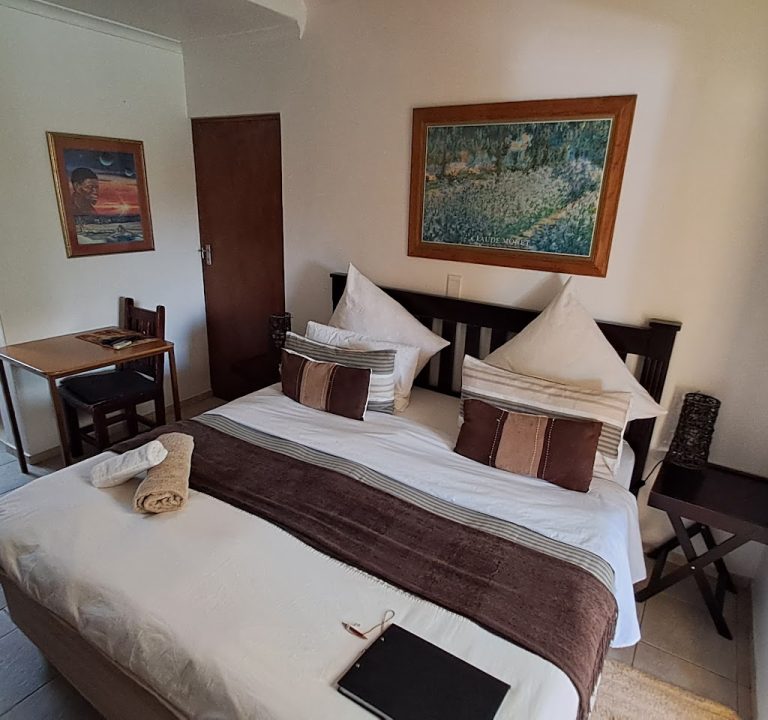
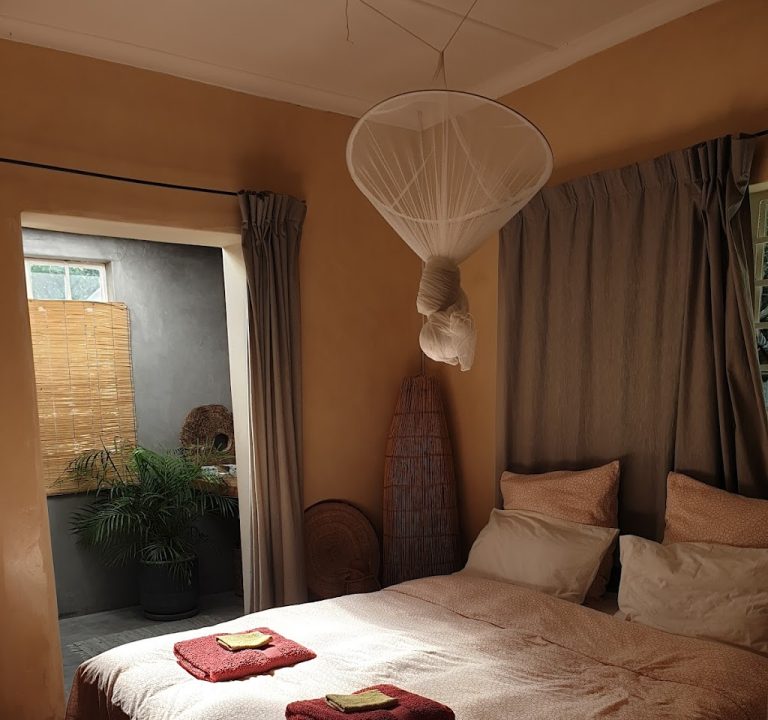
- Bedroom configurations suitable for couples, friends sharing, or families, with en-suite or shared bathrooms.
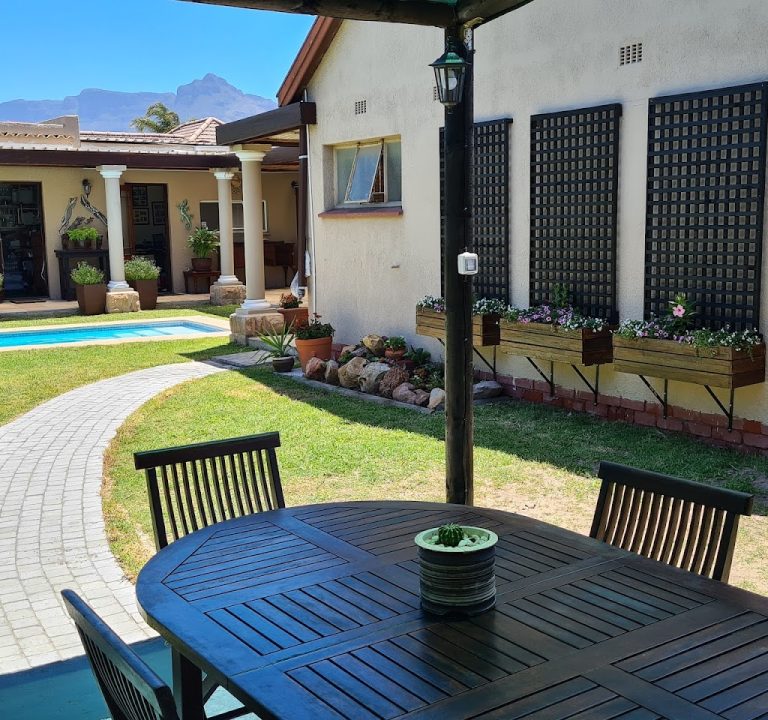
- Outdoor spaces such as decks, gardens or terraces with views of the sea or mountains.
- Common living spaces, guest kitchens or private balconies to relax after a day’s sightseeing.
- Information on local attractions, walks, and day trips, sometimes with suggested itineraries or arranged experiences.
Transport and getting around:
Cape Town is a city where planning your transport can save time. Public transport includes a city-wide bus network and regional trains, though some travellers prefer rental cars for greater flexibility, especially when touring wine farms or reaching coastal towns. For shorter hops, ridesharing and taxi services are commonly used. If you stay near the city centre or the waterfront, walking is enjoyable for many attractions, and bicycle hire is available in several areas.
The best time to visit Cape Town depends on your priorities. The summer months (roughly November to March) bring long days, warm coastal weather, and peak outdoor activity. Winter (June to August) is cooler and wetter but can be a good time to find quiet corners, enjoy museums and restaurants, and explore the winelands with fewer crowds. Spring and autumn offer mild temperatures and often clear skies, ideal for outdoor explorations and photography.
Planning practical tips for a smooth stay:
- Book in advance for peak seasons, especially if you want a particular area or a property with strong breakfast credentials or family-friendly facilities.
- Check the property’s access to essential services, such as nearby grocery shops, medical facilities, and reliable transport options.
- Pack layers to accommodate Cape Town’s changing weather, and bring sun protection for day trips along the coastline and in the winelands.
- Respect local guidelines for water usage and environmental sustainability, which can influence meal and laundry routines in some guesthouses.
- Keep a flexible day plan to accommodate weather-driven changes, such as windy conditions on the coast or cloud cover on Table Mountain.
When it comes to attractions and dining, Cape Town presents a broad spectrum. Natural highlights include iconic viewpoints, coastal drives and nature reserves, while cultural experiences range from markets and galleries to historic sites and harbour-front entertainment. In terms of dining, you’ll find a mix of bakeries, casual bistros, refined eateries and family-friendly venues. For a well-rounded visit, pair a stay in a well-located B&B—such as Lily’s B&B, if you happen to be exploring a traditional, homely option—with day trips to the city’s most loved landscapes and landmarks. For further planning, consult official tourism resources and local recommendations to tailor your itinerary, time of year, and preferred pace of travel.
Useful starting points for planning your Cape Town stay include official tourism pages and reputable travel guides that offer up-to-date information on neighbourhoods, attractions, and practical travel tips. For more inspiration, you can explore well-structured itineraries and suggested routes that highlight the city’s coastline, mountains, wine routes and culinary scene.