Exploring Cape Town: Where to stay and what to do
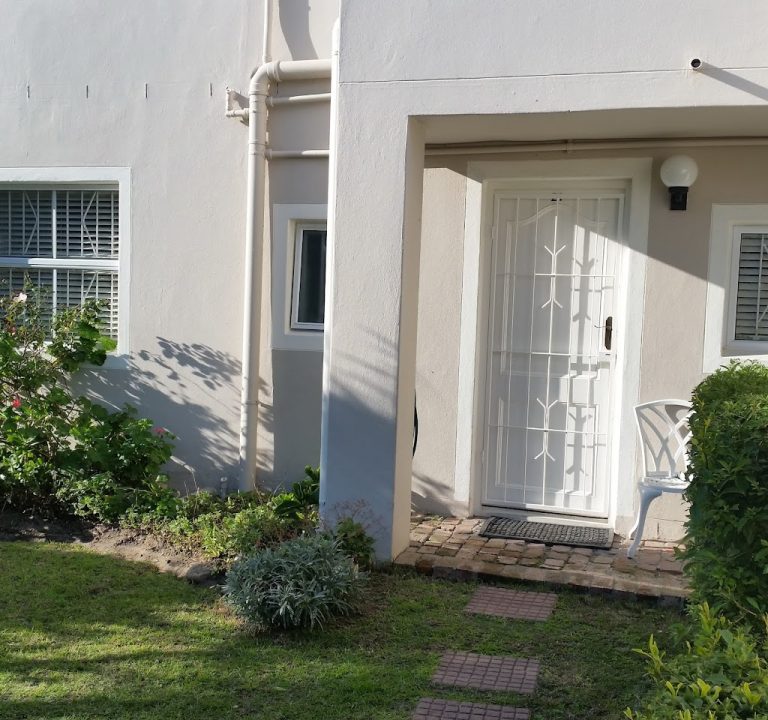
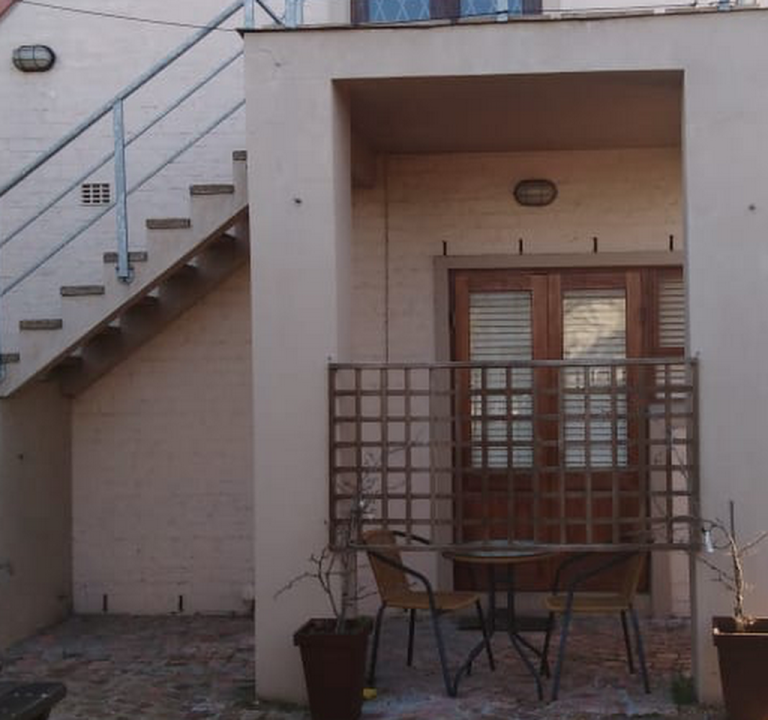
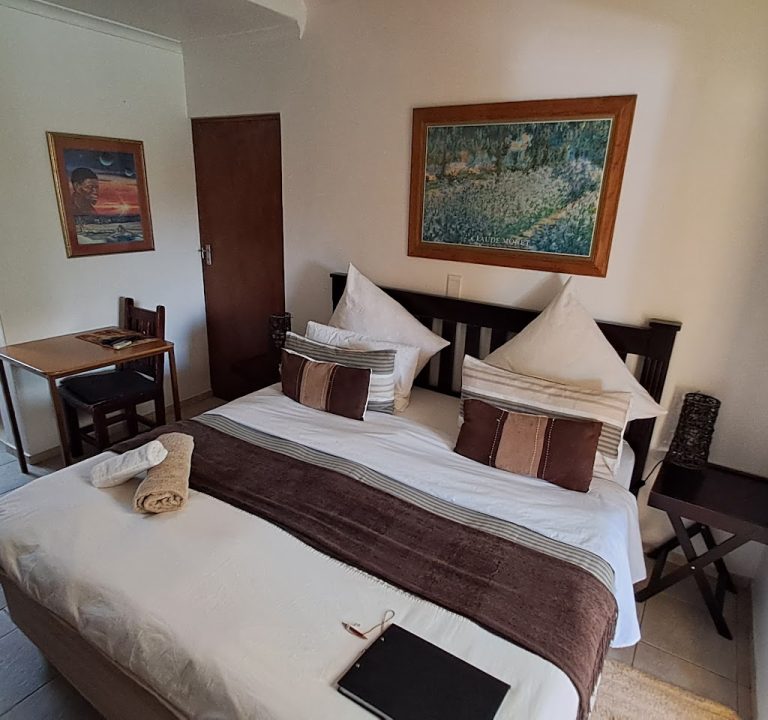
Cape Town offers a vibrant mix of landscapes, from iconic mountains and pristine beaches to historic neighbourhoods and thriving markets. When planning a stay, consider areas that suit your pace and interests, whether you seek beachside strolls, a buzzy city centre, or a leafy residential feel with easy access to nature. Xolile Guestrooms, a welcoming guest house, is a good example of how a thoughtfully run property can place you within reach of many of the city’s highlights while delivering comfortable, well-appointed rooms.
First, think about the area that best matches your plans. The Atlantic Seaboard and the Victoria & Alfred Waterfront offer dramatic scenery, modern dining, and convenient transport links for days spent exploring Robben Island, the Two Oceans Aquarium, or seaside walks along the promenade. The city centre provides easy access to museums, markets, and nightlife, with fashionable neighbourhoods nearby that blend cafes, galleries, and boutique shops. Closer to nature, areas like the Constantia Valley and the slopes of Table Mountain provide a quieter base with easy access to wine estates and scenic hiking routes. For a more authentic local mood, look for guesthouses in residential suburbs with good public transport connections and a short taxi or ride-share ride to attractions and beaches.
Booking considerations matter as you choose your lodging. Look for a property that clearly lists the amenities you value most—free Wi‑Fi, secure parking if you’re renting a car, a comfortable workspace, or a guest lounge where you can mingle with other travellers. A well-run guesthouse will prioritise clean, well-maintained rooms, adequate heating or cooling, and reliable daily housekeeping. If you’re staying in shoulder seasons, confirm that heating and shade are available, since Cape Town’s climate can be variable. Flexible check-in and check-out times, clear policies on breakfast or self-catering options, and a responsive host can make a big difference to your stay, especially if you’re arriving after a long journey.
Typical amenities to look for include a private or en-suite bathroom, quality bedding, and tea-and-coffee facilities. Breakfast is a staple for many guesthouses, with options ranging from continental spreads to cooked-to-order choices. Some properties also offer communal kitchens, guest lounges, or outdoor spaces such as patios or small courtyards that encourage relaxation after a day of exploring. If you’re visiting with family or a group, check for family-friendly rooms or suites with additional bed configurations. For longer visits, properties with laundry facilities or access to a nearby launderette can be particularly convenient.
Transport in Cape Town is diverse and often best planned in advance. If you’re staying near the city bowl or waterfront, local taxis or rideshare services can be a straightforward way to travel between attractions, dining, and your accommodation. For broader exploration, a car gives maximum freedom to visit the Cape Peninsula, Cape Point, and the Constantia wine route, but parking availability and security should be considered in busy districts. Some guesthouses arrange route information, maps, and recommendations for walking tours or cycling routes, which can help you make the most of limited time.
The best time to visit Cape Town generally runs from late spring to autumn, roughly October through March, when the city experiences longer days and the best beach weather. However, each season has its appeal: spring brings blooming gardens and wildlife encounters in nearby nature reserves, while autumn offers settled weather and calmer beaches. Winter can be cooler and windy but often provides fewer crowds and excellent conditions for coastal drives and museum visits. If your itinerary includes outdoor activities, plan some flexibility to account for sudden weather changes, and always have a backup plan for indoor attractions or delicious dining options.
When planning outings, balance your days between iconic experiences and more relaxed, local explorations. A visit to the nearby Cape Peninsula offers dramatic coastal scenery and the chance to observe penguins, seals, or a panoramic view from scenic viewpoints. In the city, plan time for the historical districts, markets, and arts precincts where galleries, street art, and local crafts are visible throughout the year. Dining in Cape Town ranges from casual bistros to inventive fine-ware establishments showcasing South Africa’s diverse cuisine and wine culture. Rather than focusing on specific names or prices, look for places that celebrate fresh, seasonal ingredients, and check whether venues offer tasting menus or wine pairings to complement your schedule.
Practical tips to keep in mind include checking the kitchen and dining arrangements, especially if you plan to self-cater some meals. In Cape Town, sun protection is essential, even on cooler days, and comfortable walking shoes will serve you well for hills and coastal paths. If you’re driving, allow extra time for traffic around popular districts and for parking in busy areas. Always read recent guest reviews to gauge current service levels, cleanliness, and the host’s responsiveness. When you book, note the cancellation policy and any seasonal limitations on facilities—some guesthouses may close parts of their property for renovations or offer limited services in winter.
For a balanced experience, consider a stay that blends comfortable accommodation with easy access to both nature and culture. Cape Town rewards guests who plan thoughtfully, leaving room to discover both well-trodden highlights and hidden local gems. If you choose Xolile Guestrooms as your base, you’ll likely enjoy a friendly, well-appointed environment that aligns with the city’s welcoming spirit while providing a convenient hub from which to plan your days of exploration, dining, and relaxation.
- Well-located guesthouses with flexible booking and friendly hosts
- Rooms with ensuite bathrooms and essential amenities
- Accessible transport links and clear information on local routes