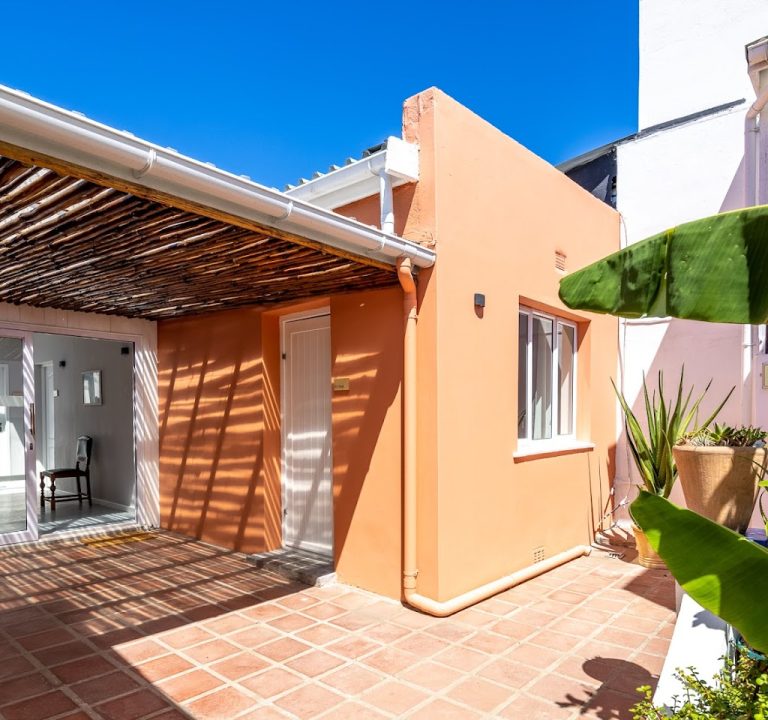
Accommodation and Travel Tips for a Stay in Cape Town, Western Cape
Cape Town combines dramatic scenery with a welcoming hospitality scene, from intimate guest houses to stylish hotels and family-run BnBs. When planning a stay, think about what you want to explore most and how you will move around. The city’s lay of the land is diverse, with leafy suburbs, vibrant urban lanes, and coastal pockets that each offer a distinct flavour of the Cape.
Area considerations help shape your experience. The City Bowl and V&A Waterfront put you at the heart of urban life, with easy access to museums, markets, and nightlife, while the Atlantic Seaboard—Camps Bay and Clifton—offers sun-drenched beaches and a more relaxed pace. Constantia presents leafy wine routes and thermal views, and the southern suburbs near Muizenberg and Kalk Bay provide coastal charm and a slower rhythm. For a mix of culture and convenience, stay close to the centre, the waterfront, or a nearby neighbourhood with good taxi/ride-hailing options.
When booking accommodation, look for a few practical features that will smooth your stay. A comfortable bed and quiet room are essential, but also consider air-conditioning or heating, reliable hot water, secure access, and clear information about self-catering facilities if relevant. Many guest houses or BnBs include breakfast, which can be a time-saver for early starts. If you are travelling with family or a group, check whether rooms can be configured as twins, doubles, or family suites. A small, well-equipped kitchenette or access to shared kitchen facilities is a convenience in many guest houses and self-contained lodges.
Transport is a key planning factor. Cape Town is spread out, and while Uber and other ride-hailing apps operate widely, distance and hills can affect travel times. If you plan to visit the Cape Peninsula or surrounding towns, you may prefer an accommodation with easy access to main routes or even arranged transfers. Public transport is available in limited forms, but many visitors find a combination of car hire for day trips and local rides for evenings works well. If you intend to hike Table Mountain or explore nature reserves, check whether your host can help arrange guided tours or taxi shares to trailheads.
Best time to visit Cape Town depends on what you want from your trip. The city enjoys a Mediterranean climate with warm summers and mild winters. Peak summer (November to February) brings long days, excellent outdoor conditions, and vibrant street life, but popular sights can be busier. Winter (June to August) is cooler and wetter, yet the landscape remains dramatic, and rates on some accommodation types may be more favourable. Shoulder seasons—late spring and early autumn—often provide a good balance of pleasant weather and fewer crowds. For ocean activities, plan around safe water conditions and local advisories, especially in windy periods.
Accommodations in Cape Town come in a range of styles to suit different preferences and budgets. Guest houses and BnBs often emphasise personalised service, with hosts providing local tips on-hidden spots, best beaches, and dining options. Self-catering apartments and smaller villas offer flexibility for longer stays. If you are drawn to coastal scenery, many properties along the Atlantic Seaboard feature sea views or easy access to beaches, while inner-city options emphasise proximity to cafes, markets, and cultural venues.
Typical amenities you might encounter include free Wi-Fi, air-conditioning or fans, tea and coffee making facilities, en-suite bathrooms, secure parking, and daily housekeeping. Some places go further with small lounges or terraces, pool areas, or garden spaces ideal for a relaxed afternoon. For travellers who value connection with local life, a guest house that hosts breakfast or a neighbourhood vibe can be especially rewarding, offering routes to markets, short walks to viewpoints, and suggestions for day trips.
When planning to visit attractions and dining experiences, it’s useful to book a flexible itinerary. Cape Town’s highlights span natural landmarks, iconic viewpoints, and vibrant districts. Natural attractions include a cable car or hiking routes up a famed mountain, scenic drives along the coast, and nature reserves that protect diverse flora and fauna. In terms of dining, the city is known for chef-led venues and casual eateries that celebrate coastal produce, global flavours, and wine country influences from nearby regions. Rather than focusing on specific names or prices, look for establishments with good reviews, clear safety standards, and menus that suit your style of travel—whether you want a casual brunch with harbour views or a refined supper with a tasting menu.
To help plan a smooth stay, consider the following practical tips:
- Check the property’s cancellation policy and what is included in the rate (breakfast, housekeeping, parking).
- Ask about accessibility for stairs or lift access if you have mobility considerations.
- Inquire about proximity to your planned activities and whether the host can arrange guided trips or recommendations for self-guided routes.
- Ensure you have a reliable means of transport for day trips, especially if you plan to visit the Cape Peninsula, Constantia wine route, or coastal towns.
- Pack a light layer for evenings, as coastal climates can be cooler after sunset, even in warmer months.
In summary, Cape Town offers a spectrum of stay options to suit different travellers, from intimate guest houses with a personal touch to modern hotels with luxurious comforts. By selecting a well-situated base, prioritising practical amenities, and balancing time between city sights and natural scenery, you can enjoy a memorable Cape Town stay that feels uniquely yours. For more inspiration, explore trusted accommodation sites and read recent guest experiences to tailor your choice to your travel style and budget.