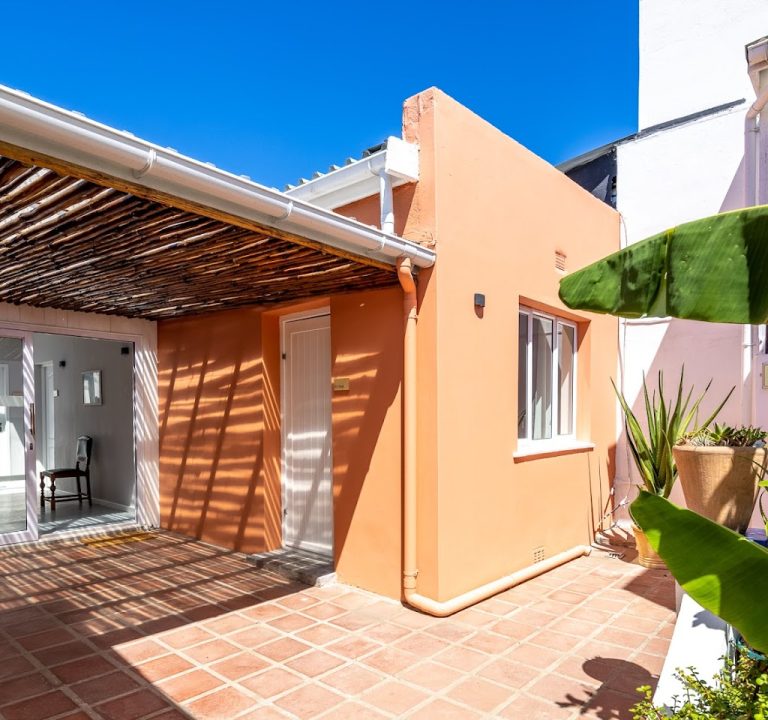
Accommodation and experiences in Cape Town: planning a memorable stay
Cape Town is a city of contrasts, where dramatic coastal scenery meets vibrant neighbourhoods, colonial histories, and modern hospitality. When planning your stay, it is worth weighing where you want to base yourself against what you hope to do during your visit. From leafy suburbs to bustling harbour fronts, the right area can shape your experience as much as the accommodation itself.
Popular areas for visitors include the V&A Waterfront and Green Point for easy access to shops, restaurants, and scenic walks; the historic and atmospheric Bo-Kaap and the central City Bowl for culture and nightlife; Camps Bay and Atlantic Seaboard for beaches and sunset views; and Woodstock or Observatory (Obs) for trendier, design-led stays with good transport links. Each area offers a different pace: some are perfect for families seeking convenient access to sights, while others suit travellers chasing a design-forward, walkable neighbourhood with a lively food scene.
Accommodation in Cape Town ranges from budget-friendly hostels and guesthouses to boutique hotels and luxury lodges. When selecting a place to stay, consider the following common features and what they mean for your plans:
- Location and access to public transport: MyCiTi bus routes and easy taxi or rideshare options can dramatically reduce travel time between sights.
- Safety and security: Look for on-site reception, secure access, good lighting, and well-reviewed neighbourhoods, especially if you plan to explore in the evenings.
- Room configuration and comfort: En-suite bathrooms, air conditioning, reliable Wi‑Fi, and enough storage help make a base comfortable after busy days.
- Facilities and extras: Pools, sun decks, breakfast options, and in-house dining or lounge areas can add value, particularly for longer stays.
- Accessibility and family-friendly features: Ground-floor rooms, lifts, babysitting services, and kid-friendly menus can be important for certain travellers.
Typical amenities you may encounter include breakfast or self-catering facilities, secure parking, shuttle services, guides or activity desk support, and curated local experiences. Cape Town’s climate varies by season, so a pool or shaded outdoor spaces can be a bonus in summer, while cosy lounges and warm blankets are appreciated in cooler months. When booking, check cancellation policies, the proximity to eateries, and whether the property offers suggestions for safe day trips or scenic outings within easy reach.
Getting around is straightforward but has its quirks. The city is hilly in places, and traffic can be lively at certain times of day. Consider staying within walkable distance of main sights, or opt for a property near MyCiTi stops, so you don’t have to rely solely on private transport. If you plan to explore further afield, renting a car is common for day trips to the Cape Peninsula, Simon’s Town, and scenic coastal routes, but parking can be limited near popular attractions, and some streets in busy areas may be narrow or busy during peak times.
The best time to visit Cape Town depends on your priorities. Spring (September to November) brings flowers and comfortable temperatures, while autumn (March to May) offers pleasant weather and fewer crowds. Summer (December to February) is ideal for beach days and outdoor activities, but popular sites can be busy. Winter (June to August) is quieter and offers dramatic skies and the chance to see penguins at local reserves, though some outdoor attractions may be less predictable due to weather. Pack layers, sun protection for daytime hours, and a light rain jacket for changeable conditions.
Top experiences to plan around your stay include a cable-car ride or scenic hike up a famous peak for sweeping views; visiting Kirstenbosch or other regional gardens; touring the historic robben island vicinity by ferry (where available) or exploring the Cape Point national park’s dramatic coastline; and sampling the city’s diverse dining scene that ranges from casual markets and casual bistros to more refined eateries. Many visitors enjoy a day along the Atlantic Seaboard for beaches and seaside dining, followed by a sunset at Camps Bay or Clifton with views across the Atlantic.
For food lovers, Cape Town offers a broad spectrum of eateries, from vibrant laid-back spots that specialise in local ingredients to more refined venues housed in contemporary spaces. Regardless of budget, look for places that celebrate seasonal produce, offer good value for money, and maintain a relaxed, welcoming vibe. When planning meals, consider reservations for weekends or peak periods, and be prepared to explore some of the city’s market stalls and pop-up concepts that showcase regional flavours and crafts.
If you’re compiling a practical plan, a simple approach is to choose a home base for your first few nights and use day trips to map out longer outings. Consider booking a central stay in the City Bowl or Green Point for quick access to coastal walks, the harbour, and light rail or bus links, then allocate a couple of nights in a beachside area to unwind after busy sightseeing. Always have a plug of this kind of information in your notes: local emergency numbers, the nearest medical facility, and a discreet map of your surroundings for easy navigation on foot at night.
In short, Cape Town rewards travellers who blend a well-chosen base with thoughtful planning. With a mix of comfortable stays, accessible transport options, and a spectrum of attractions and dining experiences, it remains a standout destination for travellers seeking a coastal city with real character.