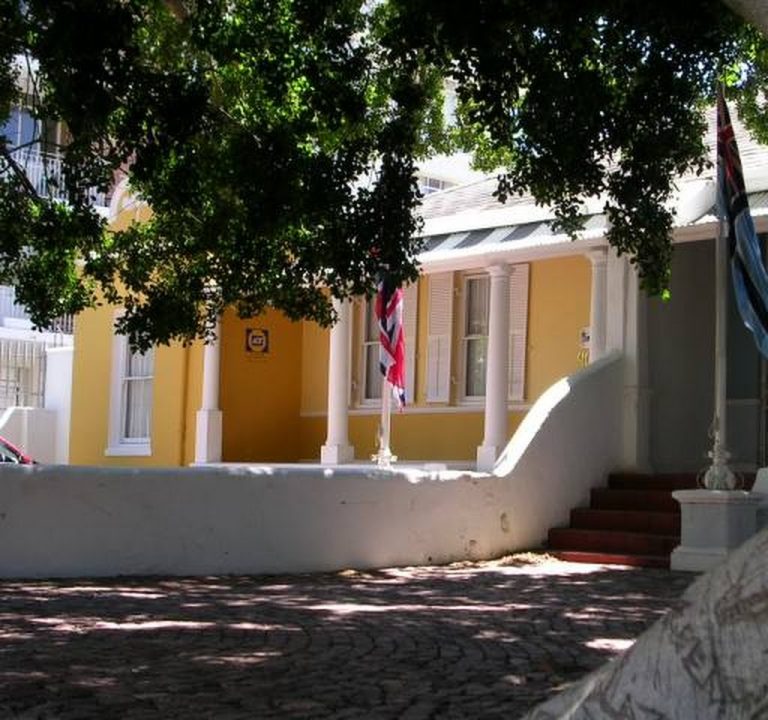
Villa Viva Cape Town is a Hostel establishment in Cape Town, Western Cape, South Africa
Villa Viva Cape Town – A Place of Togetherness in the City Centre
Villa Viva Cape Town presents itself as more than a guesthouse; it is described as a fresh, innovative social business that doubles as a meeting and networking platform for sharing creative work, social projects and the celebration of life. Located in the heart of Cape Town and perched just below the colourful Bo-Kaap, the property aims to fuse comfortable accommodation with a community-driven mission. Guests arrive not only to rest but to connect with a space that champions water access and social impact through Viva con Agua, the international network that sits at the core of Villa Viva’s philosophy.
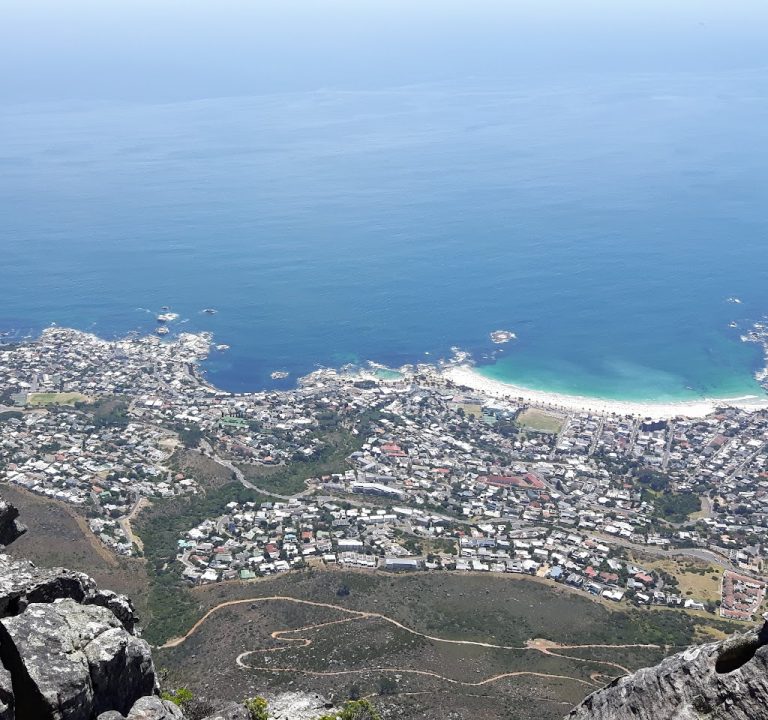
The villa’s setting is deliberately urban yet intimate. A collection of courtyards, community spaces, a bar, and a ceremony-tent weave together the feel of a small village within the bustle of the Mother City. The property is described as offering a table Mountain view, a colourful garden, and a refreshing poolside area, all of which help guests feel connected with nature while still being close to Cape Town’s urban energy. The emphasis on hospitality is complemented by a commitment to sustainability, with features such as solar energy and a local water spring helping to feed a portion of the rooms.
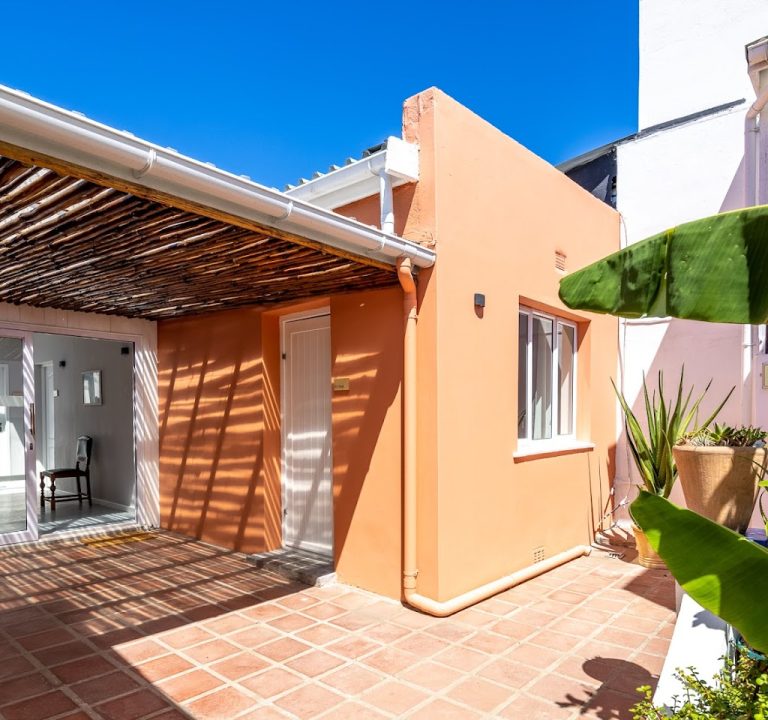
Accommodation at Villa Viva is shaped around diversity and inclusivity, with a wide variety of rooms designed to suit different needs and budgets. The house characterfully blends earthy colours, wooden floors and sustainable materials with modern conveniences and reliable internet. Within the offerings there are artistic, community-oriented spaces, including rooms named to reflect celebrated figures and movements. The property’s rooms are described as having a mix of private and shared facilities, with several options that emphasise privacy for travellers seeking a quieter stay and others that encourage socialising in dorm-like arrangements.
What guests can expect in practical terms includes a range of room types, from dormitory offerings for larger groups or solo travellers looking for economical options, to standard and superior double configurations, some with shared bathrooms and others with en-suite facilities. The loft rooms promise impressive views and are positioned as a particularly appealing choice for those seeking a memorable vantage of Table Mountain and the surrounding city lights. In addition to sleeping spaces, the villa features a bar and social areas designed to foster conversation, collaboration and a sense of community among guests and staff alike.
Villa Viva positions itself as a hub for travellers who value more than a bed for the night. It is pitched as suitable for solo explorers, couples, friends travelling together and even small groups or families that can make use of loft and larger room options. The social business model means that participation in the space can feel like a doorway into wider projects and partnerships, with opportunities to engage with the Viva con Agua network and related initiatives.
Nearby highlights include access to Cape Town’s central energy and cultural offers. The property’s location just below Bo-Kaap places guests in proximity to historic neighbourhoods, vibrant street life, and convenient routes into the wider city’s attractions. The villa’s own facilities—such as the Devils Peak Bar, the pool area, and the garden—offer on-site places to unwind after daytime sightseeing or evening events. For guests interested in creative projects or artistic communities, the Jay-Z Media Corner and Makers Space provide dedicated areas for music, film, photography and hands-on making, reinforcing Villa Viva’s identity as a creative hub as well as a guesthouse.
Booking and travel tips help visitors get the most from a Villa Viva stay. Guests can explore room options and availability through the linked booking pages for each room type, which reflect the varied price points and configurations available. Given the venue’s emphasis on social impact, potential guests may wish to align their stay with the villa’s programme of events and community activities, including the Villa Viva’s evening programmes and First Thursday gatherings when they occur. In addition, the on-site facilities—ranging from the pool and garden to the bar and media corner—provide ample opportunities for informal networking, reflection or simply soaking up the space’s unique atmosphere.
- Central Cape Town location with easy access to local culture and historic neighbourhoods
- Varied room types to suit solo travellers, couples, groups and families
- On-site bar, pool, garden and community spaces that encourage socialising
- Creative spaces such as Jay-Z Media Corner and Makers Space
- Mission-driven hospitality with a commitment to clean water projects via Viva con Agua
For travellers seeking a stay that blends comfortable, design-led accommodation with social purpose and opportunities to connect with local artists and communities, Villa Viva Cape Town offers a distinctive option in the city centre. Further information and reservations are available through the venue’s main site and dedicated booking pages, with additional background on The Villa, its philosophy, and ongoing projects available to visitors curious about the deeper story behind the space. The overall experience invites guests to be part of a vibrant network while enjoying a memorable Cape Town stay.
Cape Town
Western Cape
8001
South Africa


Cape Town: Where to Stay and Things to Do in the Western Cape
Cape Town offers a rich mix of neighbourhoods, scenery and experiences that suit solo travellers, couples and families alike. When planning a stay, it helps to think about what you want from your days—whether you prefer a lively city buzz, historic streets and sweeping harbour views, or easy access to dramatic natural landscapes. Accommodation ranges from budget-friendly hostels to stylish boutique guesthouses and well-appointed hotels, many positioned to showcase the city’s iconic backdrop of Table Mountain and the Atlantic coastline.
Areas to consider include the City Bowl and surrounding up-and-coming neighbourhoods for easy access to cafés, bars and cultural attractions; the Bo-Kaap and Parliament quarters for colourful houses and cultural flavour; the V&A Waterfront for waterfront walks and dining; and leafy suburbs like Tamboerskloof, Gardens or Observatory, which blend residential charm with convenient transit links. If you want a seaside vibe, coastal pockets such as Sea Point and Camps Bay offer beach walks, sunset vistas and a slightly more relaxed tempo. For guests seeking a community-centric base, there are guesthouses and hostels that emphasise social connection and local projects, often with garden and shared spaces that encourage interaction with fellow travellers.
Typical amenities to look for when booking include high-speed Wi‑Fi, a comfortable bed, reliable hot water, secure access, and clear information about nearby transport. Many properties feature communal spaces such as lounges, terraces or bars, and some offer kitchens or self-catering options. If you value a sense of place, consider accommodation that supports local initiatives or arts and culture programmes, as these often translate into a more immersive stay and opportunities to meet residents and visitors alike.
Transport in Cape Town is well served by a hop-on, hop-off style network and by affordable taxi services. The city also benefits from a comprehensive urban bus system and a growing ride-hailing presence. If you plan day trips—such as a trip up Table Mountain, visits to the Cape Peninsula or coastal drives—confirm distance to the nearest MyCiTi station or main bus route. For those who prefer walking, many central venues are within comfortable strolling distance; for longer hops, inexpensive rides are usually readily available and practical for groups or families with luggage.
The best time to visit Cape Town is spring (September to November) and autumn (March to May) when the weather is mild and the city is less crowded than in peak summer. Summer (December to February) brings longer days and sea breezes; it is ideal for beaches and outdoor activities but can be busy. If you’re aiming to combine outdoor exploration with city life, plan several early starts to share the famous sights with fewer crowds and to enjoy pleasant light for photography.
Practical planning tips to help your stay run smoothly:
- Book a central base if you want quick access to cafés, markets and public transport, then plan day trips to the surrounding Winelands or the Cape Peninsula.
- Check the accommodation’s stance on sustainability and community engagement, which can enhance your connection with the city and support local initiatives.
- Look for accommodation with easy access to a safe route to attractions like Table Mountain or the harbour, and confirm parking or drop-off options if you’re driving.
- Consider rooms or dorms that suit your group size, noting whether bathrooms are en-suite or shared, and whether there are social spaces to mingle with other travellers.
- Inspect the cancellation policy and whether the property offers flexible dates, especially if your plans may shift with weather or events.
For guests seeking a stay with a sense of community and a focus on shared experiences, Villa Viva Cape Town presents a distinctive option. Marketed as a guest house with a social business ethos, it positions itself as a hub for connecting people through creative space, culture and water-related projects. The property emphasises community spaces, a garden and a pool, with a backdrop that looks toward the city and mountain views. Villa Viva also highlights a commitment to social programmes and conservation-minded practices, offering a central location that is convenient for exploring the city while supporting broader initiatives. Visitors can learn more about Villa Viva and its story through its official website.
When you’re ready to plan meals and evenings, Cape Town’s dining scene spans everything from bustling market stalls to refined restaurants and casual eateries. Expect a mix of seafood by the harbour, modern interpretations of traditional flavours, and international cuisine. While exact menus and prices vary, keep an eye out for venues with al fresco dining that makes the most of the city’s temperate climate and spectacular views.
To balance your time, mix outdoor activities with cultural experiences. Take a cable-car ride or hike up Table Mountain for panoramic views, visit nearby nature reserves and beaches, and stroll through historic districts to understand Cape Town’s diverse heritage. Evening spots offer live music, markets and social spaces where guests can mingle with locals and fellow travellers, providing a rounded and memorable stay in one of the world’s most striking urban settings.
For more information about Villa Viva Cape Town and how to plan a stay that combines comfortable accommodation with a commitment to community projects, visit the property’s official website. Remember to review the latest travel tips and local guidelines before your trip, and prepare a flexible itinerary that lets you enjoy both the city’s energy and its natural splendour.
Sorry, no records were found. Please adjust your search criteria and try again.
Sorry, unable to load the Maps API.
Why Claim Your Listing?
Claiming your listing on the B&B Finder directory website is a valuable opportunity for business owners. Here are five reasons why you should consider claiming your listings:
Control Over Business Information: By claiming their listing, business owners can ensure that all the information presented is accurate and up-to-date. This includes details such as contact information, address, pricing, and available services or amenities. Accurate information helps prevent customer confusion and improves overall satisfaction.
Enhance the Listing: Once a listing is claimed, owners can enhance it by adding more comprehensive information and rich media, like high-quality photos and videos. These additions can make the listing more attractive and engaging to potential customers, thereby increasing the likelihood of bookings.
Marketing Opportunities: Claiming a listing can also open up additional marketing opportunities. Owners may be able to participate in promotional campaigns, special offers, and other marketing activities organized by the directory. This can increase visibility and attract more customers to the business.