Staying in Marloth Park, Mpumalanga: accommodation, planning and local experiences
Marloth Park in Mpumalanga offers a distinctive blend of bushveld tranquillity and easy access to the Kruger National Park. The area is renowned for wildlife sightings from the comfort of your own veranda or a short drive, making it a popular choice for travellers who want an authentic South African safari atmosphere without the rigours of a formal lodge. When planning a stay, consider how you want to balance self-catering convenience with the on‑the‑ground services provided by different properties, and how close you’d like to be to the river, game viewing points, and local amenities.
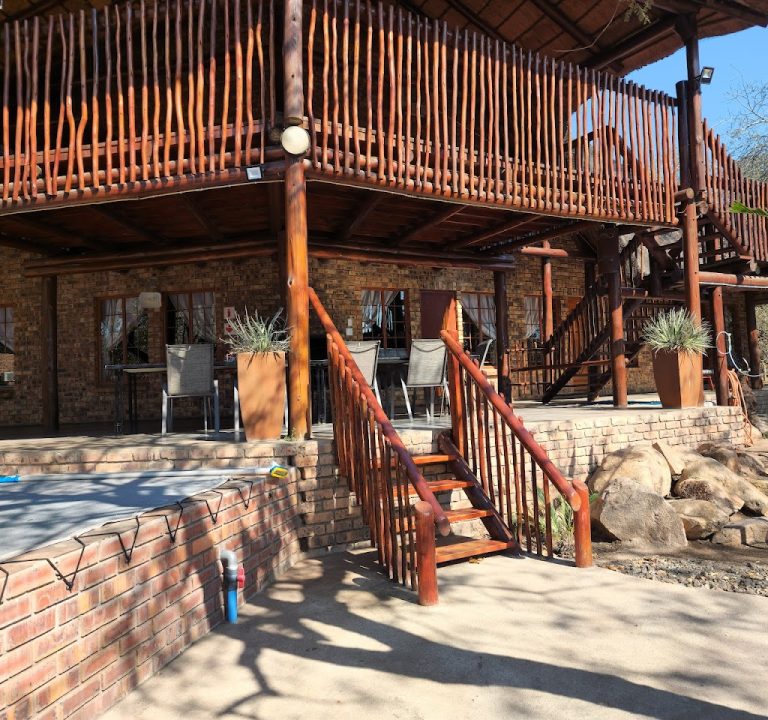
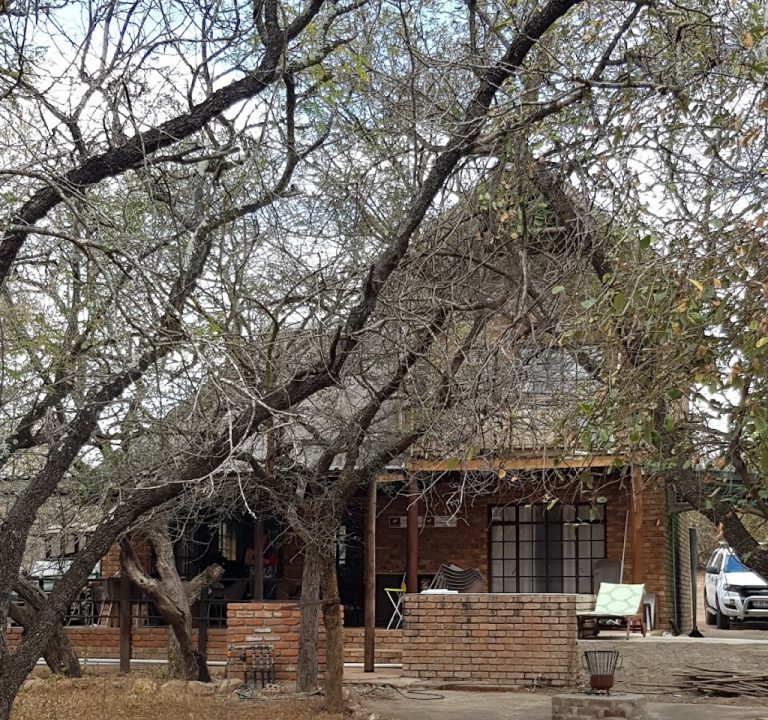
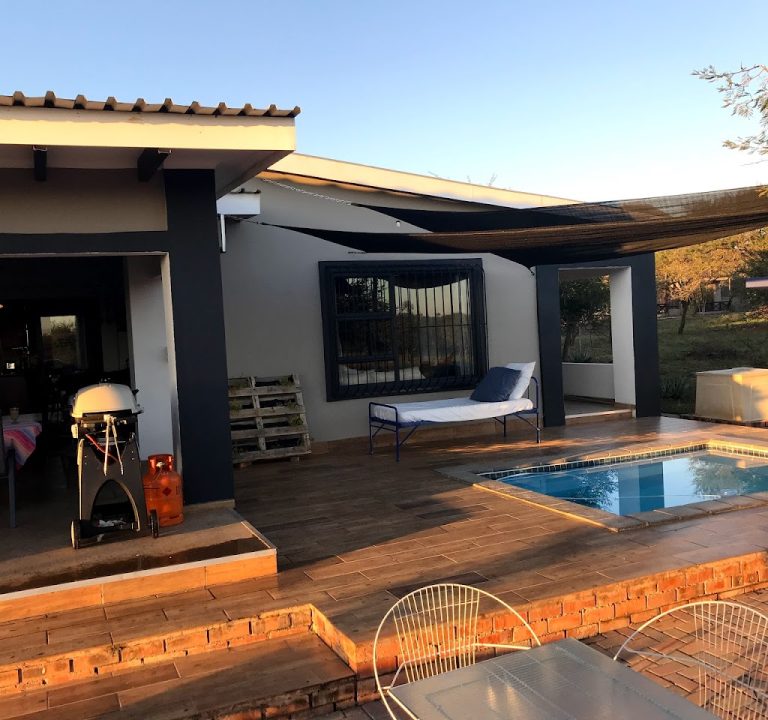
Accommodation in Marloth Park ranges from spacious self-catering houses to cosy bush cottages and well-equipped guesthouses. One notable example is Zaganaga Kruger Lodge, described as self-catering accommodation, which can provide a practical base for families or groups seeking flexible meal options and private outdoor spaces. Whether you choose a riverside villa, a thatched lodge, or a modern villa with a private pool, you’ll find properties designed to blend with the natural surroundings and offer verandas or decks ideal for wildlife viewing at dawn or dusk.
When selecting where to stay, think about the layout and facilities that will support your plans. Several properties offer private braai areas, fully equipped kitchens, and outdoor seating that takes advantage of the morning chorus and evening silhouettes of antelope, zebra, and birds. Look for features such as secure parking, air conditioning or ceiling fans for hot Mpumalanga days, reliable water supply, and easy access to the property’s own or shared viewing points. If you’re travelling with children, you’ll want to check for child-friendly spaces and safety measures around pools or balconies.
Areas within Marloth Park have their own character. Some properties sit closer to the Kruger boundary with generous drives to nearby game-viewing spots, while others are tucked back from the main routes for a quieter, more private bush experience. When booking, consider how far you are willing to travel for early morning game drives, and whether your plan includes guided safaris, bush walks, or self-guided wildlife watching from the property’s grounds. Marloth Park is very much a “stay and watch” landscape, so access to outdoor spaces is often the deciding factor for a comfortable stay.
Typical amenities you might encounter include fully equipped kitchens, laundry facilities, Wi‑Fi, and private or shared outdoor spaces. Some properties offer housekeeping services, on-site staff, or 24‑hour security. It’s also common to find air conditioning or ceiling fans, insect screens on doors and windows, and reliable outdoor lighting for evening wildlife activity. If you’re planning longer stays, a washer-dryer combo or access to a laundry service can be particularly convenient.
Transport in Marloth Park is typically self-drive friendly. A car is almost essential for exploring the surrounding areas, reaching Kruger Park gates, and shopping for groceries or supplies in nearby towns. The roads within Marloth Park vary, with some higher‑quality gravel or tarmac roads; plan extra travel time, especially in the rainy season. If you’re relying on transfers or tours, check service schedules in advance and confirm whether your accommodation can assist with arranging guided activities or recommended operators for safaris and ranger-led walks.
The best time to visit Marloth Park is closely tied to wildlife activity and weather. The dry season from roughly May to September often offers clearer wildlife sightings as animals congregate around water sources, with cooler daytime temperatures ideal for long game drives. The wet season, from roughly November to March, brings lush landscapes and vibrant birdlife, but there can be higher humidity and a greater chance of rain. Pack lightweight clothing for heat, plus a warm layer for chilly early mornings and evenings. Don’t forget hats, sunscreen, insect repellent, and a sturdy pair of walking shoes for bush walks or self-guided explorations.
Practical tips to enhance your stay:
- Book early for peak seasons and school holidays, as Marloth Park is a popular base for Kruger-related explorations.
- Clear communication with your host about check‑in arrangements, house rules, and how to access any on-site safekeeping or security features.
- Respect wildlife and maintain a safe distance; never feed animals and follow local guidance on viewing times and routes.
- Consider a mix of self‑catering days and occasional dining experiences in nearby towns to sample the regional cuisine and support local eateries.
- Check whether your accommodation provides recommendations for guided safaris, bush walks, or reputable operators for day trips to Kruger or surrounding nature reserves.
Nearby attractions and experiences are typically oriented around wildlife viewing and the bush ecosystem. Expect opportunities for dawn and dusk drives, waterhole sightings from private verandas, and guided interpretive walks that explain the flora and fauna of the region. Dining options within Marloth Park tend to support self‑catering guests, with some lodges and guesthouses hosting braais or offering light meals, while broader trips to the Kruger area permit access to a wider array of restaurants and cafés in larger towns nearby. For planning, it’s helpful to have a rough day-by-day plan that includes at least one wildlife-focused activity each day, plus leisure time for relaxation at your accommodation and spontaneous wildlife sightings at your doorstep.
Ultimately, Marloth Park offers a flexible, nature-forward stay with a strong emphasis on comfortable self-catering living and easy access to extraordinary wildlife experiences. By choosing a well-suited property—whether a riverside house, a private bush lodge, or a compact self-catering retreat—you’ll maximise your chances of memorable encounters while enjoying the tranquillity of Mpumalanga’s bushveld.