Staying in Marloth Park, Mpumalanga: where to stay, what to expect and how to plan your visit
<p class0 Marloth Park in Mpumalanga offers a distinctive escape where the bush is your neighbour and elephant paths may cross at dawn and dusk. The area is famed for its close proximity to Malelane and the Kruger National Park, making it popular with wildlife lovers and travellers seeking a more intimate, self-drive safari experience. Accommodation tends to blend into the natural landscape, with self-catering chalets, comfortable lodges and guesthouses that prioritise convenience, accessibility and a relaxed pace. When planning a stay, think about how you want to merge daily routines with wildlife viewing, meals, and short excursions, rather than a hotel-in-the-city rhythm.
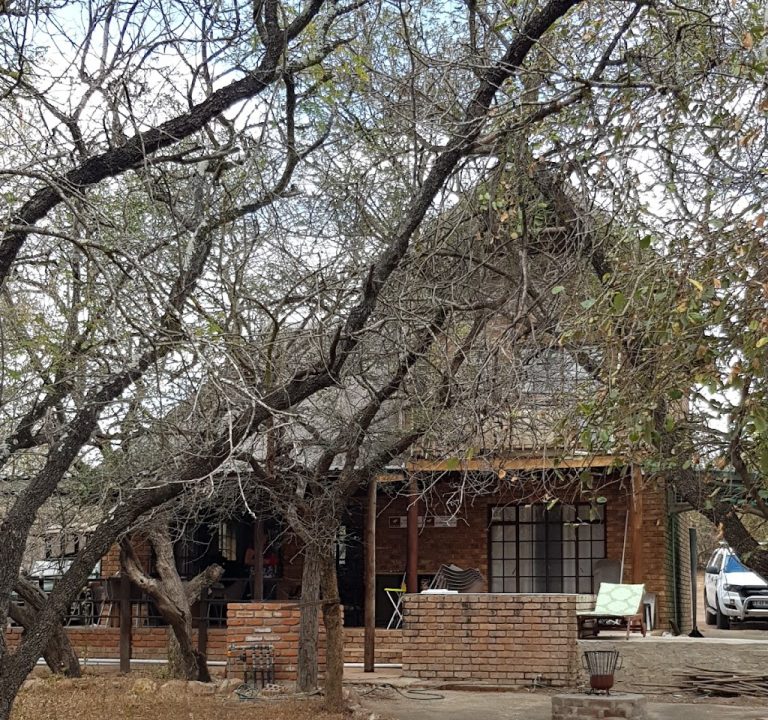
Areas to consider within Marloth Park include the central bushveld zones where wildlife sightings are easiest, and quieter neighbourhoods that offer more secluded verandahs and larger garden spaces. Self-catering options are plentiful, with chalets and cottages designed to suit families, couples and groups. If you’re travelling with little ones or pets, there are properties that specifically cater to family-friendly stays or pet-friendly arrangements. For intimate breaks, boutique-style stays and private lodges offer greater seclusion and customised experiences. If you plan to drive into the Kruger or nearby reserves, ensure your chosen accommodation provides clear information about gate access, drive times and safe vehicle storage or parking on site.
What to look for when booking measures your comfort, convenience and wildlife-watching potential. Confirm the following essentials before you reserve a room or a chalet:
- Self-catering facilities: a well-equipped kitchen, a reliable fridge and cooking equipment, plus a barbecue area or braai on the premises.
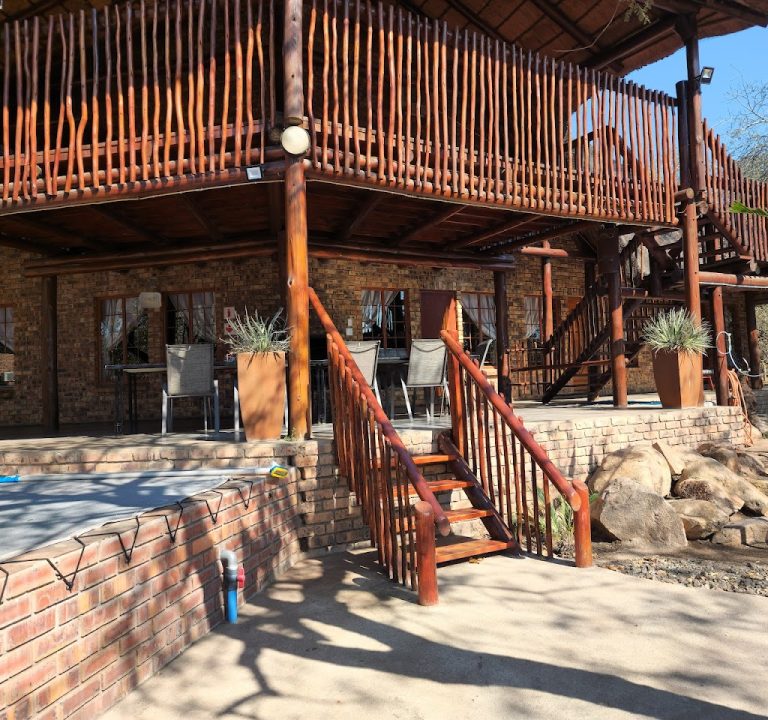
- Outdoor spaces: verandahs, decks or shaded garden areas for morning coffee and late-afternoon wildlife viewing.
- Water and electricity security: consistent power supply and air conditioning or fans, especially during warmer months.
- Safety and access: secure perimeters, clear directions for arrival, and guidance on vehicle access and parking within the property grounds.
- Wildlife safety: information about keeping a respectful distance from animals, rules about feeding, and any precautions for snakes or other wildlife in the area.
- Proximity to gates and reserves: some properties frame the best viewings as you step out onto your balcony; others are a short drive from the Kruger borders or park gates.
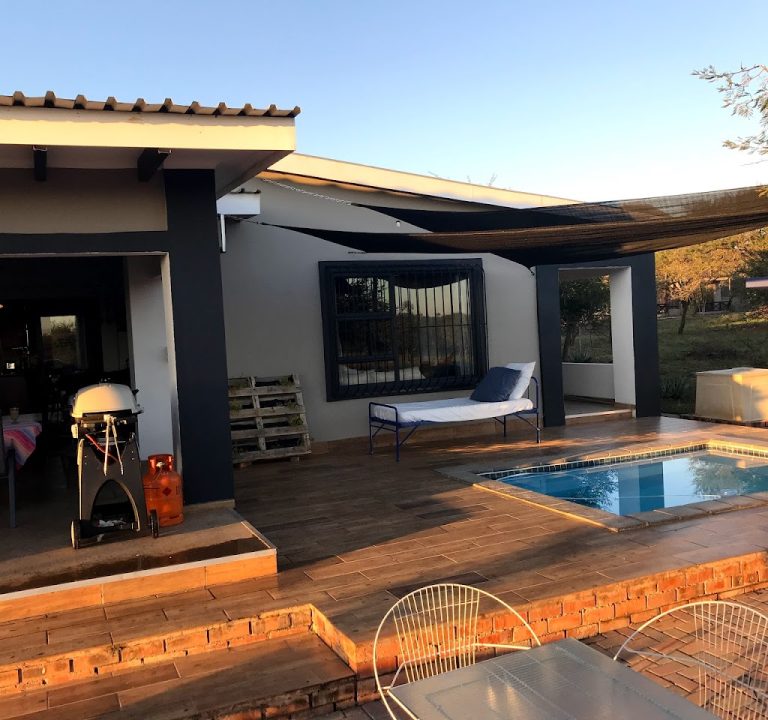
Typical amenities you can expect include well-equipped kitchens or kitchenette facilities, private or shared pools, BBQ areas, comfortable living spaces, and generous verandahs for sundowners. Wi‑Fi varies, with some properties offering dependable connections and others providing more limited services in line with the remote setting. Housekeeping arrangements differ by property, so check whether cleaning is included, and if you require early check-in or late check-out. Bedding configurations commonly range from studios to three-bedroom chalets, ideal for families or groups travelling together. A few hosts curate extra touches such as guided drives, outdoor game viewing schedules or recommended self-drive itineraries that frame your stay around prime wildlife activity times.
Transport and getting around Marloth Park is practical but distinct from urban centres. The area is best explored with a hired car, giving you flexibility to visit waterholes, lookouts and the park’s edges at dawn or dusk, when animals are most active. Some properties offer airport transfers or local shuttle options; others rely on guests renting vehicles in nearby towns. Within Marloth Park itself, you’ll mostly move by vehicle, with many lodges providing secure parking and easy access routes. If you’re arriving by air, your closest gateways are typically international hubs in Johannesburg or Maputo, followed by a domestic overland transfer or a longer drive. Plan your route with a map, and allow extra time for border crossings or peak traffic periods around gate openings.
The best time to visit Marloth Park aligns with your wildlife interests and climate tolerance. The dry season from May to September often offers clearer animal sightings as the bush thins and water becomes more concentrated around remaining sources. This period also brings cooler mornings and evenings, making safaris and bush walks more comfortable. The wet season, from November to March, brings lush scenery and abundant birdlife, but travel may feel hotter and some roads can become softer after rains. Hurricanes of insects or humidity can be more noticeable, so packing appropriate clothing and insect repellent is wise. Regardless of season, early mornings and late afternoons typically present the best light for photography and the most active wildlife viewing.
Practical tips for a smoother stay:
- Book early, especially for peak school holiday periods, as Marloth Park’s self-catering properties fill quickly.
- Confirm check-in procedures and whether some properties have automatic gates or longer driveways.
- Bring cash for on-site wildlife experiences or park fees if they are not payable online.
- Pack binoculars, a good camera and a light jacket for cool mornings.
- Respect wildlife: keep a safe distance, never attempt to feed animals, and follow parking guidelines to avoid fines or safety hazards.
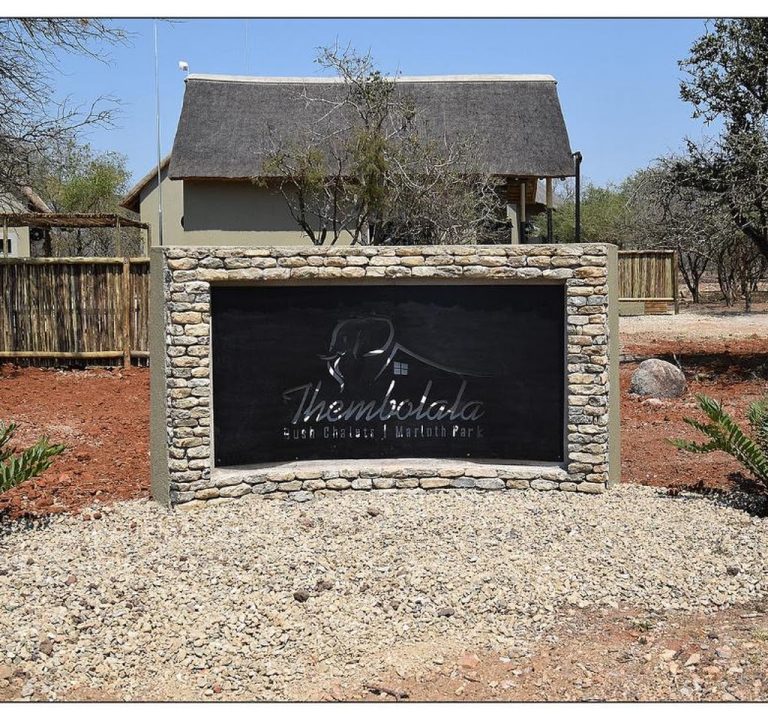
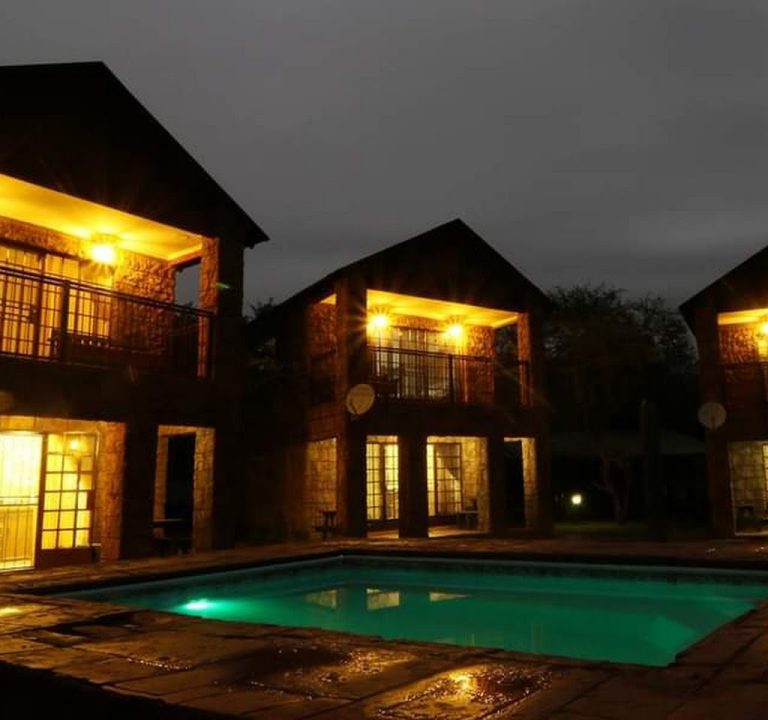
Beyond the chalet or lodge, Marloth Park offers a gateway to natural-inspired dining and relaxed eateries where menus focus on hearty South African favourites and seasonal produce. You’ll find places that allow guests to unwind after a day of safari-style exploration, with settings that emphasise outdoor seating and shaded terraces. For a complete stay, consider extending your plan with a day trip to the Kruger’s southern regions or the nearby towns for groceries, gas and additional viewpoints. A visit to Thembolala Bush Chalets, a self-catering option with a thoughtful balance of comfort and bushcraft, provides a practical base for exploring Marloth Park and its surrounding wildlife-rich landscapes. For more information, visit their official site at https://www.thembolala-bush-chalets.com/.