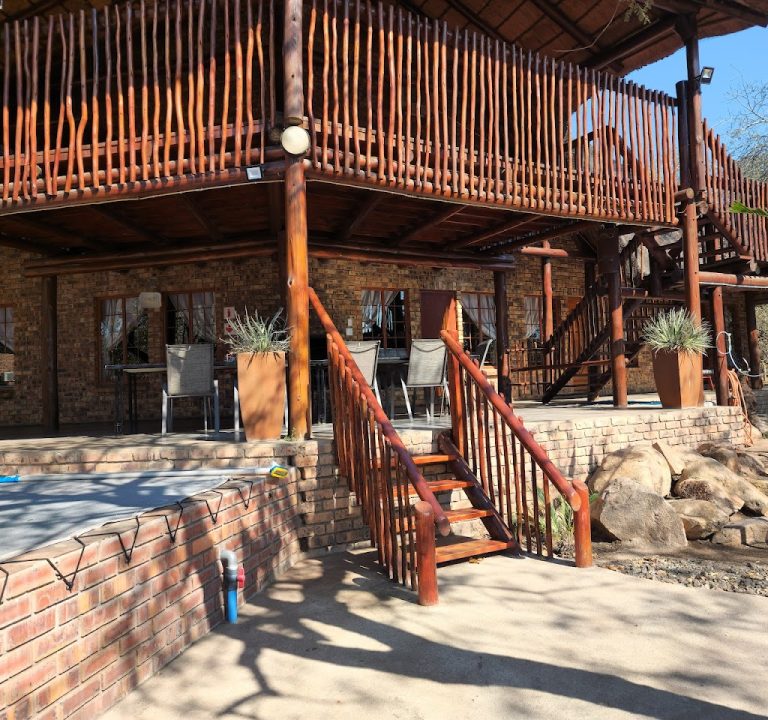
Staying in Marloth Park: accommodation, planning and local experiences
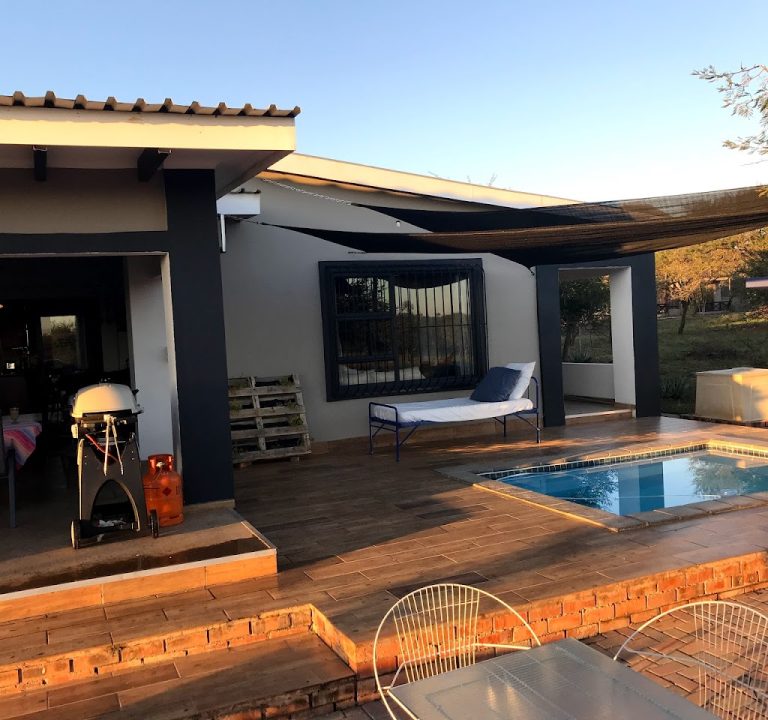
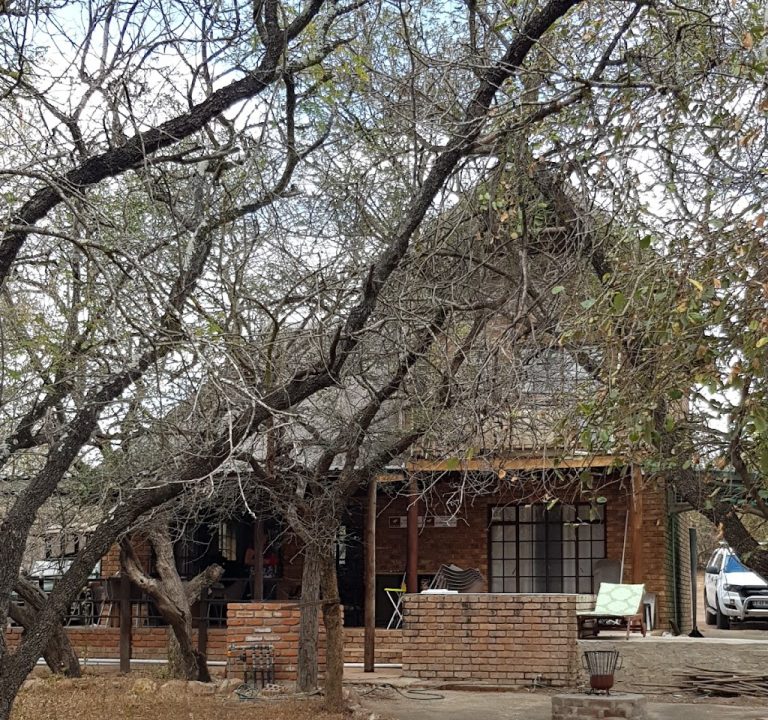
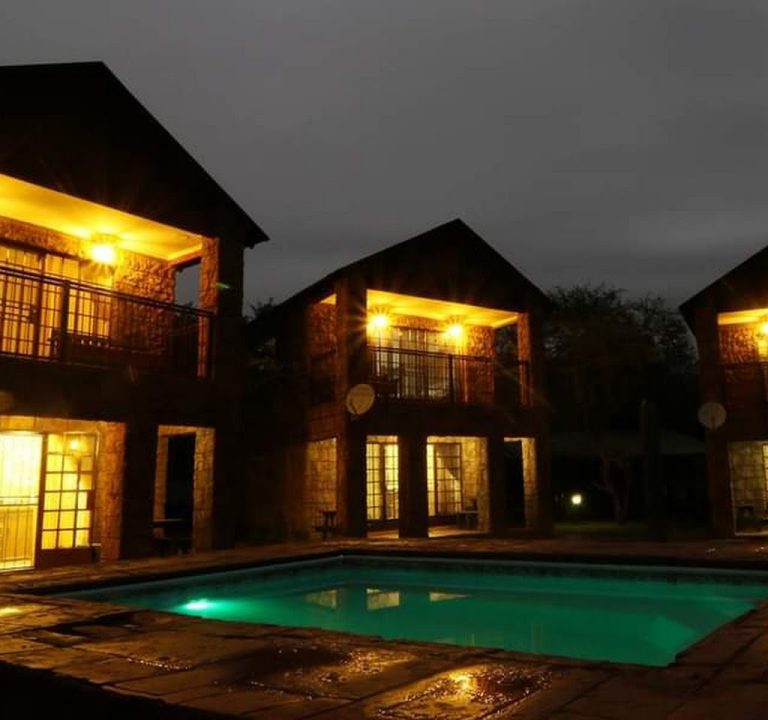
Marloth Park in Mpumalanga offers a unique blend of borderland bushveld tranquilly close to the Crocodile and Sabie rivers, with easy access to the Kruger National Park. When planning a stay, think of Marloth Park as a haven for self-contained comfort and wildlife viewing, rather than a conventional urban precinct. Accommodation ranges from intimate guesthouses and lodge-style homes to more traditional hotels, all designed to maximise the natural surroundings and the chance to observe wildlife from your veranda or surrounding decks.
Area selection in Marloth Park matters. The reserve is divided into several sub-areas that adjoin the Kruger park’s perimeters, with easy access to main entrances and shopping facilities in nearby towns. Look for properties that offer clear guidance on proximity to river viewpoints, game paths, and gate opening times. For families and groups, larger lodges or self-catering guesthouses can provide practical space, privacy and value, while smaller B&Bs and boutique stays can deliver a more intimate, personalised experience. If you are travelling with limited mobility, check ground-floor rooms or properties with easy access to parking and viewing decks.
Typical amenities worth prioritising include private or shared game decks, outdoor seating areas, and reliable air conditioning or fans for warm evenings. Since Marloth Park is a dark-sky area in many parts, properties with unobtrusive lighting are ideal for star-gazing. A well-equipped kitchen or kitchenette, secure under-cover parking, and clear safety information are useful inclusions, especially for families or groups exploring late in the day. A reliable Wi-Fi connection may be important for trip planning and photo sharing, though many guests relish digital downtime to enjoy nature. Don’t forget practical items like mosquito nets, insect repellent, and a first-aid kit as part of your packing list.
Transport around Marloth Park can be flexible. Self-drive is common, given the park’s spread-out layout and the proximity to Kruger gates. Many visitors rely on rental cars; others use organised transfers or car hire services in nearby towns. If you plan a self-drive safari, ensure you have sufficient fuel, a charged mobile device, and a detailed map or GPS with updated Kruger park access routes. Some lodges offer guided game drives or organised sunset safaris; these can be a convenient way to encounter wildlife with expert commentary and safety in mind.
Best time to visit Marloth Park depends on your priorities. The winter months (May to August) offer cooler days and more comfortable wildlife watching as animals congregate around water sources. Spring and autumn bring pleasant temperatures and clearer skies, ideal for long walks and outdoor meals. The summer season (roughly November to March) brings warmth and occasional thunderstorms; if you visit then, bring lightweight, quick-drying clothing and rain covers for gear. Regardless of season, mornings and late afternoons are the prime times for wildlife activity, so plan nature walks or drives around these windows.
When it comes to accommodation planning, consider what you want from your stay. If you aim for a relaxed, nature-forward retreat, a lodge or guest house with direct access to viewing decks and safe outdoor spaces can be ideal. For a family-friendly break, a self-catering house with multiple bedrooms and a well-equipped kitchen makes it easier to manage meals around safari outings. For couples seeking romance and privacy, select properties with intimate verandahs, jacuzzis or private pools, subject to weather and location. Always review cancellation policies and whether there are minimum-stay requirements during peak periods.
Practical tips for a smooth stay:
- Check gate hours and access rules for Marloth Park and neighbouring Kruger gates, and plan your entry times to maximise wildlife viewing opportunities.
- Ask about pet policies if you are travelling with animals, and confirm whether wildlife viewing from accommodation is guaranteed or subject to seasonal conditions.
- Look for properties that provide safe food storage and clear guidance on water usage and waste disposal, which helps protect the local environment.
- Pack layers for early mornings and evenings, and bring sun protection and sensible footwear for guided walks.
- Book well in advance if you plan to visit during school holidays or peak dry season to ensure availability and preferred locations.
Dining and experiences in Marloth Park are generally low-key and nature-forward. There are guest-friendly eateries and informal dining spots offering a range of meals, from hearty Braai (barbecue) options to lighter meals suitable for travellers returning from day activities. For a broader choice, you may rely on nearby towns for varied cuisines and fresh produce, then return to your lodge or guesthouse for a quiet evening under the stars. Some visitors enjoy arranging a guided night drive or a self-guided afternoon walk to observe the nocturnal wildlife that visits near-water sources or the edges of settlements. For those who wish to explore more widely, day trips to the Kruger National Park gates or regional viewpoints provide iconic South African scenery without long drives between activities.
As a practical example for planning, consider staying at a guesthouse such as Nathi Kruger View Guest House, which situates guests in a comfortable base within Marloth Park while offering easy access to surrounding wildlife heritage and Kruger-adjacent routes. When researching, consult the property’s official page and reputable travel resources for the latest booking terms and available facilities. For ideas on broader planning, you can explore Marloth Park’s dedicated tourism pages and nearby wildlife reserves to tailor a stay that blends restful accommodation with memorable wildlife encounters.