Johannesburg: A Practical Guide to Stay, Eat and Explore
Johannesburg, the vibrant economic hub of Gauteng, offers a diverse mix of accommodation from intimate guest houses to modern boutique hotels. Planning a stay in this dynamic city means balancing neighbourhood character with convenient access to sights, eateries and transport links. Whether you are visiting for business, culture, or a little urban discovery, choosing the right base can make all the difference to your experience.
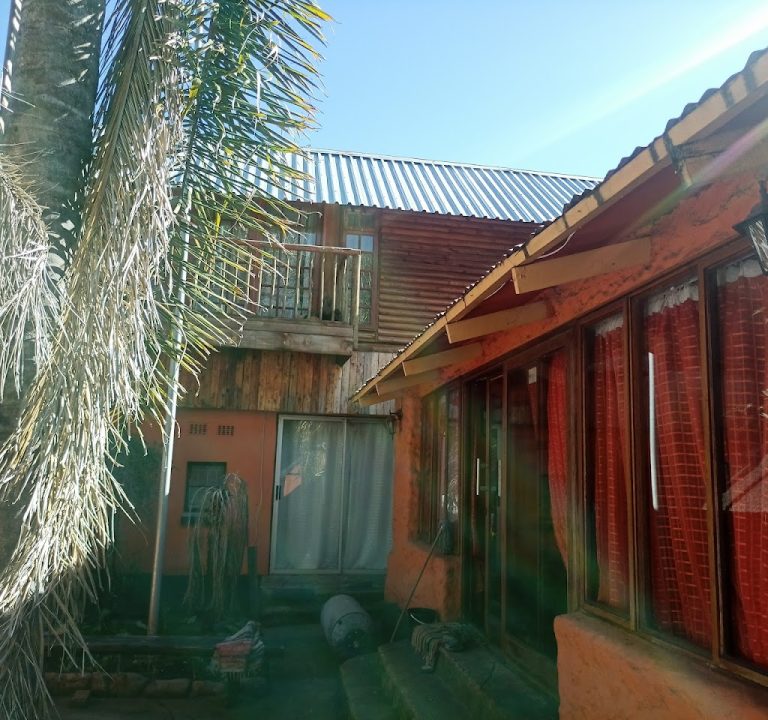
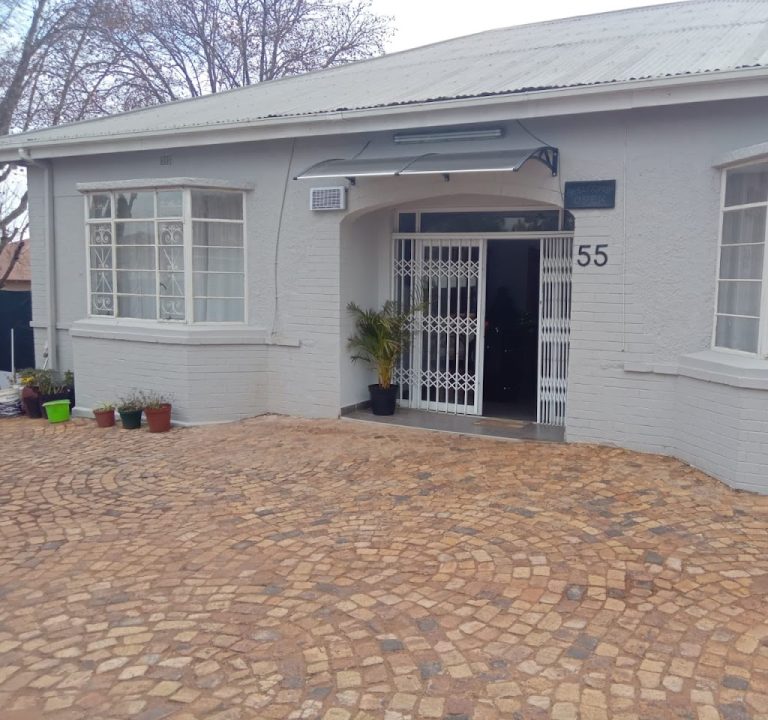
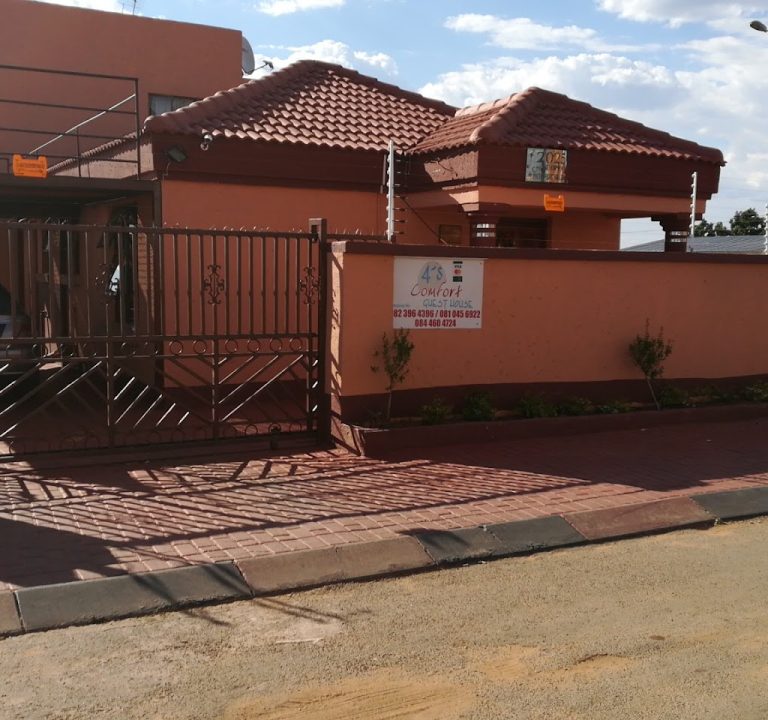
When considering where to stay, the city presents several core areas, each with a distinct flavour. The northern suburbs often appeal to travellers seeking quieter mains streets, leafy pockets and upmarket dining. The inner-city districts provide a more energetic atmosphere with historic architecture, creative spaces and a thriving nightlife. Southern and eastern pockets offer excellent value, parks, markets and a closer eye on family-friendly activities. For a guest house experience, you may encounter properties that combine comfortable rooms, personal service and a welcoming, homely atmosphere close to public transport routes.
Good practise when booking is to check the insider details that influence your stay beyond the room rate. Look for clear information on parking, self-catering facilities, wifi reliability, and whether there is on-site staff or a reliable host presence. A concise description of the neighbourhood helps you gauge walkability, proximity to major transport lines, and safety considerations. Check recent guest reviews for notes on cleanliness, noise levels, and the responsiveness of hosts or management. If a property offers a guided activity desk or local tips, you can often tailor your visit to match your interests, from museum routes to foodie neighbourhoods.
Typical amenities in Johanneburg accommodation span comfortable beds, private bathrooms, and daily housekeeping, with several guest houses offering en suite rooms, breakfast options, and secure onsite parking. Other common touches include complimentary tea and coffee facilities, communal lounges, and sometimes small plunge pools or outdoor spaces for a relaxed stay. For business visitors, reliable wifi, a work desk, and easy access to transport corridors are practical plus points. Eco-aware travellers may value properties that prioritise energy efficiency and local sourcing for breakfast offerings.
Transport is central to enjoying Johannesburg. The city is well served by a combination of taxis, ride-hailing apps, and a growing number of bus and rail links. Proximity to a major rail or metro line, or to a well-connected bus stop, can save time and stress while you explore. If you plan day trips, consider staying near a hub with straightforward access to highways or main roads to minimise travel time. For guests who venture into the surrounding townships or cultural sites, a hosted itinerary or local guide can enrich the experience while keeping travel straightforward and safe.
The best time to visit Johannesburg tends to be during the Southern Hemisphere spring and autumn, when daytime temperatures are comfortable and outdoor options abound. Summers can be warm to hot, with occasional afternoon showers, while winter brings cooler days and crisp evenings. If you favour outdoor markets, botanical gardens, and city walking tours, spring and autumn offer pleasant conditions for exploring core districts and parklands. Plan for seasonal weather by packing a light jacket for evenings and a sun hat for daytime exploration.
In terms of attractions, Johannesburg offers a generous spread of cultural and historical experiences without demanding long journeys. Many visitors enjoy exploring world-class museums and galleries that illuminate the city’s complex narrative, as well as art districts and market spaces where local makers and chefs showcase their talents. Outdoor enthusiasts will appreciate parks, skyline viewpoints, and heritage trails that reveal the city’s diverse character. For dining, you’ll find an array of eateries that blend traditional flavours with modern twists, from casual cafés to more refined venues. Rather than fixed recommendations, look for neighbourhood footprints that reflect the local spirit—casual bakeries in pedestrian-friendly streets, vibrant street-food corners, and restaurants that emphasise seasonal or locally sourced ingredients.
Accommodation in Johannesburg can be a gateway to planning day trips or half-day excursions. Consider pairing your stay with a guided city walk, a visit to historical theatres, or a cultural precinct that hosts performances and talks. If you are short on time, a well-chosen base in a central district can provide quick access to key sights and easy returns after a day of exploring. For travellers who wish to slow the pace, choosing a guest house with a cosy lounge or courtyard offers a forgiving home-away-from-home feel and opportunities to meet fellow guests.
Practical planning notes:
- Check access to public transport and the distance to major hubs or attractions.
- Assess safety considerations for the area and your planned activities.
- Evaluate breakfast options, parking arrangements, and whether staff are available for guidance.
- Look for guest houses or hotels with flexible cancellation policies in case plans change.
For those seeking a specific homely option, a guest house such as Yellow Face Guest House can offer personalised service and convenient access to central routes and neighbourhoods. While the city’s scale can seem daunting, a careful choice of area, paired with clear planning for transport and activities, helps ensure a rewarding stay in Johannesburg.
For further inspiration and practical planning, consider consulting official tourism information and reputable travel guides that emphasise user experiences, practical logistics, and up-to-date transport options. Websites focused on Johannesburg’s city planning, cultural districts, and dining landscapes can provide additional context to help you craft a balanced itinerary that fits your interests and budget.