Johannesburg: A Traveller’s Guide to Accommodation, Attractions and Getting Around
Johannesburg, often known as Jo’burg or the City of Gold, offers a dynamic mix of city energy, cultural experiences and convenient bases from which to explore Gauteng. When planning a stay, consider choosing a neighbourhood that aligns with your interests, accessibility needs and pace. From stylish guest houses in leafy suburbs to contemporary hotels near the city centre, there are options to suit a range of budgets and styles.
One reliable approach is to couple a central stay with day trips to nearby experiences. South Africa’s largest city is well connected by road, rail and ride-hailing services, making it practical to base yourself in a location that provides easy access without long commutes. If you are seeking a personable, homely option, a guest house can offer breakfast, friendly recommendations and a neighbourhood feel, while hotels or boutique lodges may provide a more streamlined, hotel-focused experience.
Accommodation in Johannesburg often centres on a few key districts. Rosebank is popular for its shopping and dining, with convenient access to the Rosebank Gautrain Station for quick trips to Sandton, or to the airport via rail links. Braamfontein and Newtown offer a younger, artsy vibe with easy walking access to theatres, galleries and markets. Sandton is a business and retail hub, where newer properties and executive-style stays are common. Maboneng and Linden, among others, provide more intimate, design-led stays and close proximity to vibrant dining scenes. When booking, consider what you value most: proximity to public transport, quiet streets, or a place with a view and easy access to restaurants and nightlife.
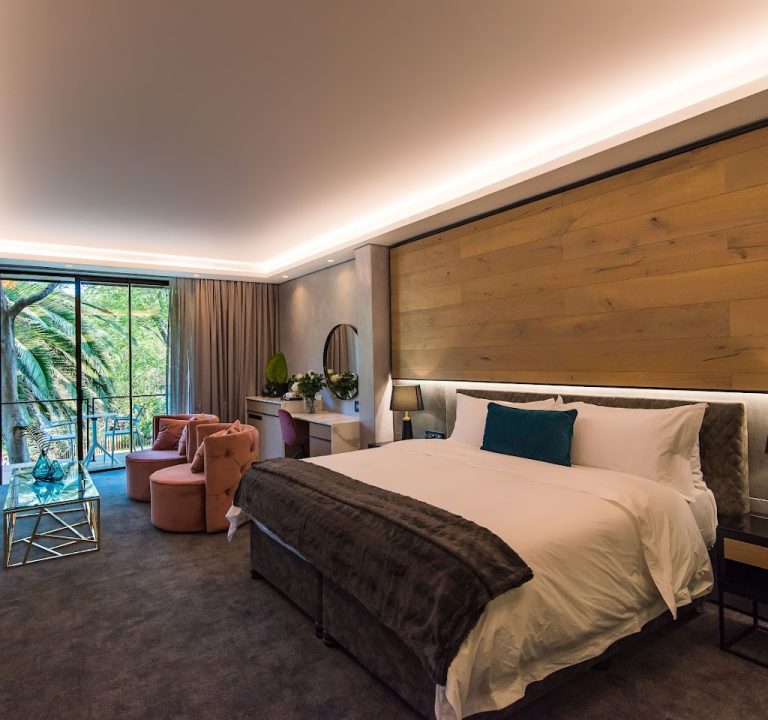
Typical amenities in Johannesburg accommodation include en-suite bathrooms, complimentary breakfast or coffee facilities, secure parking or street parking options, and reliable wifi. In guest houses and smaller hotels you may find additional touches such as laundry facilities, kitchen access, and curated local recommendations. If you are travelling with family or a group, check if the property offers extra beds, apartment-style layouts or shared lounges. For business travellers, look for quiet workspaces, reliable wifi, and nearby cafés or business services.
Transport is a practical consideration. The Gautrain provides fast links between Johannesburg and Pretoria, with stations in central areas and at airport terminals, making day trips or airport transfers smoother. Within the city, taxis, rideshare apps and local minibus services are common. Some areas are more walkable than others, so it helps to map out a loose plan for each day, especially if you intend to visit multiple neighbourhoods. If you are renting a car, confirm on-site parking and security arrangements, particularly in central districts where street parking can be limited or subject to time restrictions.
The best time to visit Johannesburg is broadly spring and autumn, when temperatures are comfortable for outdoor exploration. Summer can bring short, intense thunderstorms, while winter nights can be cool. If you are visiting during school holidays or major events, book early to secure preferred accommodation and convenient access to venues.
When planning an itinerary, mix cultural, historical and natural experiences. Major attractions include world-class museums, heritage sites and colourful markets where you can sample local crafts and cuisine. For an overview of the city’s history and modern expression, consider guided tours that cover both the apartheid-era legacy and contemporary urban renewal. Markets in various neighbourhoods offer artisan goods, fresh produce and street-food-inspired options that reflect Gauteng’s diverse communities. In terms of dining, Johannesburg features a wide range of eateries from modern bistros to casual eatery strips—ofter with a focus on global flavours and local ingredients. It is common for many places to offer seasonal menus and daily specials, so you’ll often find a fresh choice during each visit.
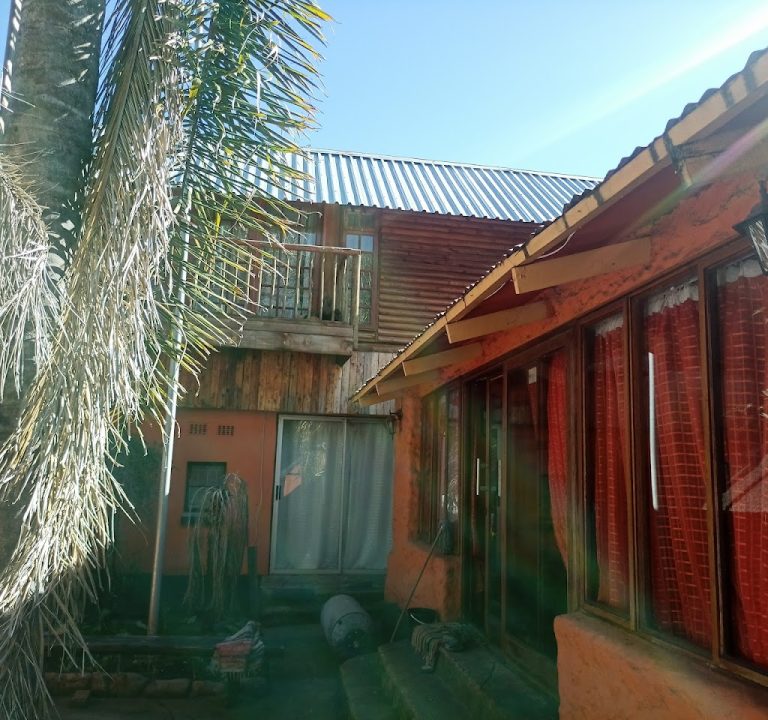
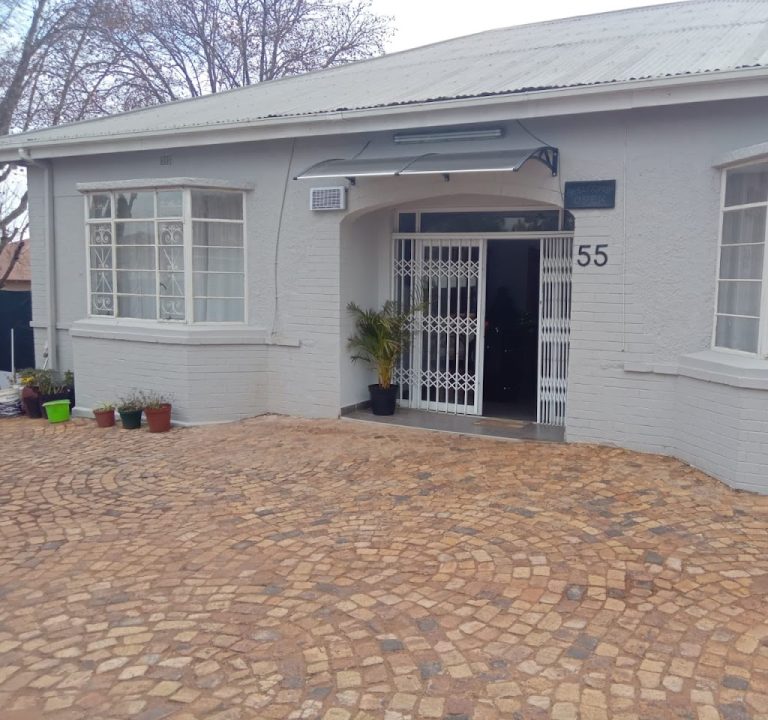
For accommodation that centres on comfort and community, consider properties such as guest houses that host travellers with a personal touch. Premier B & B Guesthouse offers a homely option in a well-connected area of the city. Their site provides guidance on amenities, location and practical considerations for guests and can be a good starting point for planning your stay. For more information, you can visit their contact page at the linked site: Premier B & B Guesthouse.
To help you plan effectively, here are a few practical tips:
- Check the neighbourhood’s character: do you prefer a boutique, design-forward setting, or a quiet residential street with easy access to shops?
- Assess transport needs: proximity to a rail station or major roads can simplify travel across the city.
- Look for flexible booking policies and clear cancellation terms, particularly if plans may change.
- Read guest reviews focusing on cleanliness, responsiveness, and how well the property handles early or late arrivals.
- Consider dietary needs and breakfast options if included in the rate, and whether nearby cafes suit your morning routines.
Johannesburg rewards curious travellers with a blend of cultural depth and contemporary urban life. With thoughtful planning, you can choose a base that supports smooth logistics, comfortable rest each night, and easy access to the city’s many experiences. Whether you split your stay between a central guest house and a lively neighbourhood apartment, or opt for a single month-long base in a well-connected district, Jo’burg invites you to explore its many voices and spaces at a pace that suits you.