Johannesburg: Accommodation and Experiences in Gauteng
Johannesburg, a dynamic gateway to Gauteng, combines a cosmopolitan cityscape with nearby natural and cultural attractions. When planning a stay, think about the neighbourhoods that best match your interests, the ease of getting around, and the length of time you have to explore. The city offers a broad range of accommodation, from stylish boutique guest houses to contemporary hotels and self‑catering options, each with its own vibe and access to favourite sights, eateries and experiences.
Areas to consider are central districts where culture, nightlife and dining are concentrated, and leafy pockets with easier access to parks and panoramas. The central business district and nearby neighbourhoods such as Braamfontein and Maboneng are popular for a lively, walkable stay with proximity to galleries, street art and independent cafés. Rosebank and Sandton are convenient for shopping, business travellers and families seeking modern amenities, while Melville and Parkhurst offer a more relaxed, quirky village atmosphere with cafés and boutique stores. For a deeper dive into South Africa’s heritage, Soweto remains a must‑visit area where guided tours illuminate history and everyday life. If you’re seeking a peaceful home base after day trips, suburban guest houses and boutique hotels in northern suburbs tend to prioritise comfort and parking, with easy access to highways and the airport corridor.
When choosing accommodation, look for a few practical essentials. A comfortable bed and good air conditioning or heating are important for Johannesburg’s variable climate. Check for secure parking or easy access to safe transport links, especially if you plan to explore after dark. A reliable Wi‑Fi connection is valuable whether you’re planning itineraries online or keeping in touch with friends and family. Some travellers appreciate a breakfast option or a kitchenette, while others prefer the convenience of hotel facilities such as a 24‑hour reception, on‑site dining, or laundry services. If accessibility is important, confirm elevator access and the proximity of lifts to rooms. And if you’re booking a longer stay, consider whether a guest house or apartment‑style accommodation offers more flexibility for daily routines.
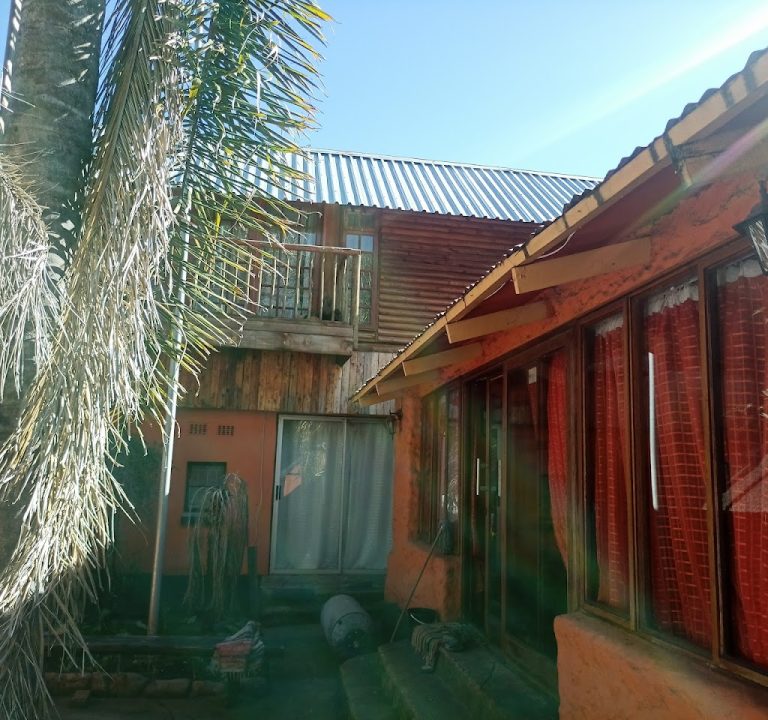
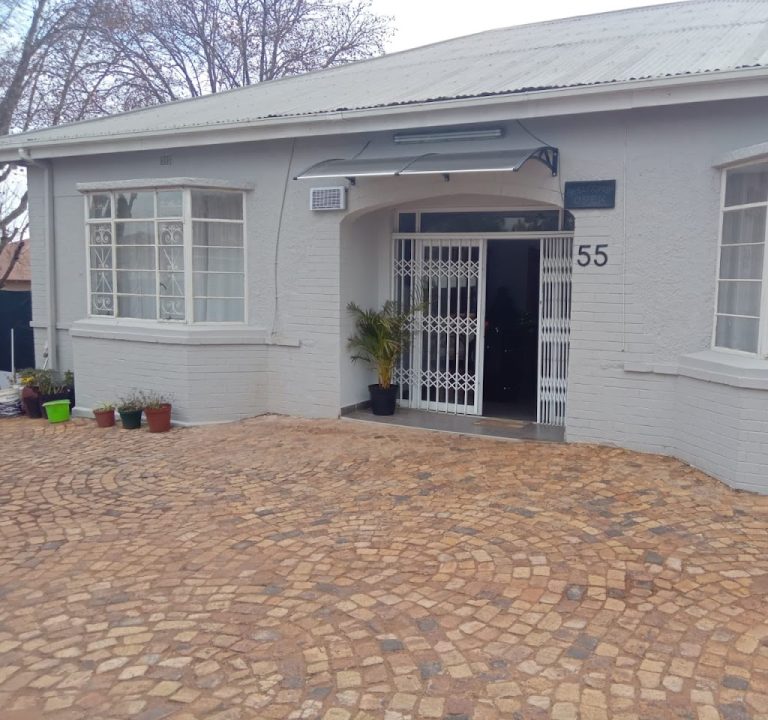
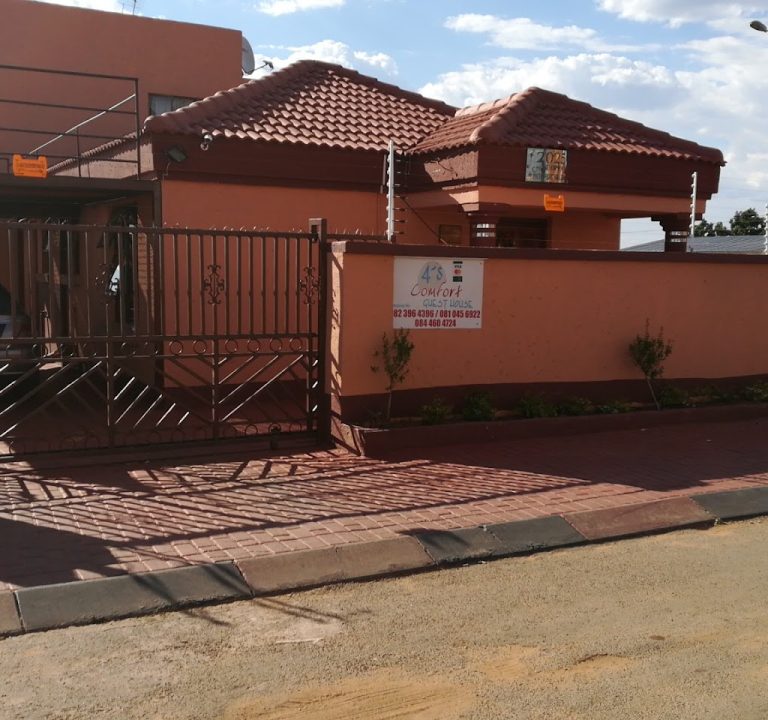
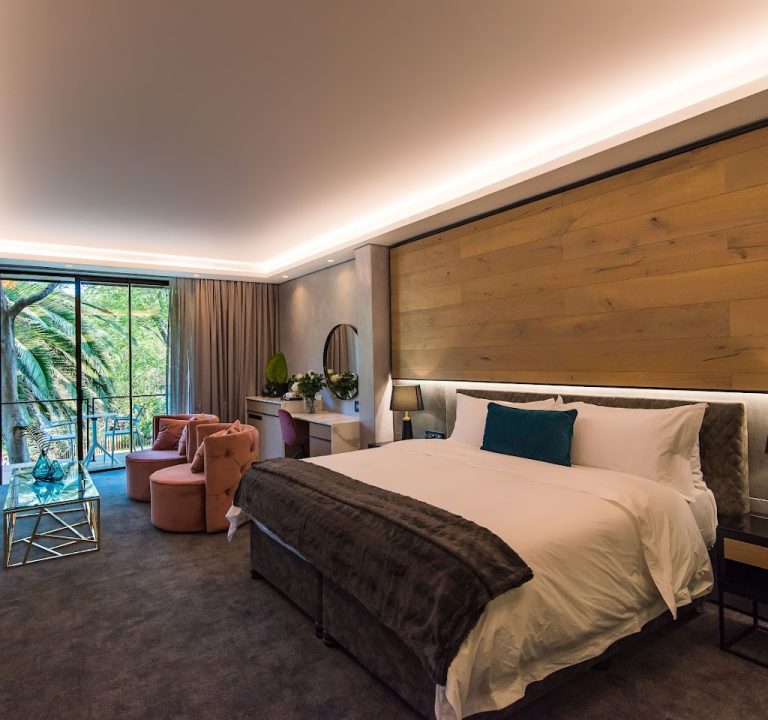
Typical amenities you may encounter include en‑suite bathrooms, workspaces, a well‑equipped kitchen, private or shared lounges, and outdoor spaces such as terraces or gardens. A small number of properties provide organised tours or reception desk support for arranging visits to local hotspots and day trips. Practical touches—ample lighting, charging points at convenient heights, and clear instructions for local transit—enhance convenience and comfort. For those travelling with families or groups, several guest houses and hotels offer interconnected or larger rooms and options for extra beds or cots. A representative example of a local guest house is Boroko Guest House, which embodies the approachable, value‑led stays often found in the city; it is worth checking if it aligns with your preferred tone of comfort and privacy, as, like many small properties, experiences can vary by season and management.)
Getting around Johannesburg is straightforward but planning ahead saves time. The city’s Gautrain network connects to the airport and to northern suburbs, complemented by a comprehensive bus and minibus taxi network. For day trips or evenings, ride‑hailing apps are widely used and generally reliable. If you plan to visit Soweto or other townships, consider guided tours that provide context and safety, and choose transport arrangements that suit your itinerary and comfort level. In central areas, many hotels and guest houses provide information on walking routes and nearby cafés, while larger properties often have concierge services to assist with bookings, transfers and recommendations.
The best time to visit Johannesburg depends on your interests. Spring and autumn (September to November and March to May) offer pleasant weather for outdoor exploration and city walks. Winter (June to August) can be cooler and dry, ideal for cultural venues and indoor experiences, while summer thunderstorms can be dramatic but refreshing. If you are aiming to pair your stay with events, check whether cultural festivals, markets, or exhibitions align with your dates. Remember that peak travel periods—often around school holidays and major conferences—can see higher rates and limited availability, so booking in advance is wise if your dates are fixed.
To plan a well‑rounded visit, combine accommodation strategies with a flexible itinerary. Book a central base for easy access to galleries, eateries and nightlife, and allow time for day trips to nearby natural parks and historic sites. Expect a mix of modern business‑style hotels and intimate guest houses that offer personalised touches and a sense of place. Restaurants in Johannesburg span global cuisines and local favourites, from vibrant casual spots to refined dining rooms, many of which emphasise fresh produce and South African flavours. Rather than focusing on individual names or prices, look for places with strong reviews for consistency, good service and a comfortable atmosphere that suits your travel style.
- Book in advance for peak periods and during major events
- Choose a neighbourhood that matches your priorities (culture, shopping, nightlife, or quieter stays)
- Check transport options and parking arrangements
- Prioritise amenities that support your plans (kitchenette, laundry, reliable Wi‑Fi)
- Ask hosts or reception about safe transport options and local tips
With thoughtful planning, a stay in Johannesburg can be relaxed and richly rewarding. Whether you’re chasing urban energy, cultural insights, or convenient access to the wider Gauteng region, the city offers a spectrum of accommodation and experiences to suit most travellers. For more information and inspiration, you can explore official tourism resources and local accommodation listings, which often provide practical tips, neighbourhood guides and suggested itineraries that reflect current conditions and seasonal highlights.