Accommodating Thulamahashe: where to stay and what to do in Mpumalanga
Thulamahashe sits in the Mpumalanga heartland, a region known for its access to dramatic scenery, wildlife experiences and gateways to nearby attractions. When planning a stay here, travellers typically weigh the mix of comfortable lodges, guesthouses and mid-range hotels with easy access to nature reserves, cultural experiences and local cuisine. Whether you are touring with family, on a short break or exploring the Panorama Route to the north, Thulamahashe can function as a practical base with logistically straightforward travel to surrounding parks and towns.
Accommodation in and around Thulamahashe ranges from intimate B&Bs and family-run guesthouses to larger, purpose-built lodges. The common thread is a focus on hospitality, practical amenities and a sense of the local area. For visitors hoping to balance quiet downtime with easy access to day trips, consider staying in a central guesthouse or lodge that offers on-site parking, friendly reception and information on nearby travel routes. If you prefer a more boutique or lodge-style atmosphere, look for properties that provide dedicated staff, guided activity options and a calm, secure setting after a day of touring.
When selecting a place to stay, there are several practical factors to consider to ensure a smooth visit:
- Proximity to main roads and onward routes to nearby reserves or towns, with straightforward parking and clear directions.
- Layout and room configuration suitable for your group, including family rooms or couples’ suites.
- On-site facilities such as air conditioning, reliable hot water, Wi‑Fi, secure storage for belongings and a comfortable lounge or garden area.
- Safety and security features, including secure perimeters, lighting, and staff availability for assistance.
- Meal options, whether in-house dining, a light continental breakfast or links to nearby eateries.
- Accessibility considerations, including ease of access for outdoor activities and transport arrangements.
Typical amenities across Thulamahashe properties include en-suite bathrooms, clean linen, daily housekeeping, and friendly local knowledge from staff about day trips and experiences. Many lodges and guesthouses also offer guided safaris or game drives in the wider Mpumalanga area, where wildlife sightings can be a memorable part of a stay. If you are visiting with children, look for family-friendly spaces, safe play areas and flexible dining to suit different bedtimes and meal needs.
Transport in the area is often most convenient with a rental car, giving you the freedom to explore the surrounding landscapes, nature reserves and cultural sites at your own pace. Public transport options may be limited in more rural pockets, so booking transfers or arranging a driver for day trips can be a sensible plan. When you arrive, confirm the parking situation and whether the property offers airport or town transfers, even if at a supplementary charge. For longer trips into Mpumalanga, a car provides flexibility to combine wildlife viewing with local markets and village stops along the way.
The best time to visit Mpumalanga-related areas typically aligns with wildlife activity and weather. The dry season, roughly May to September, tends to offer clearer wildlife viewing as animals gather around water sources. This period also tends to have cooler daytime temperatures, though mornings and evenings can be chilly. The wetter months, from roughly December to March, bring lush greenery and the chance of afternoon showers, which can be dramatic but may affect outdoor plans. Consider your tolerance for heat, humidity and rain when selecting dates, and be mindful of local events or agricultural cycles that may affect traffic and accommodation demand.
In terms of experiences, Thulamahashe serves as a useful starting point to reach broader Mpumalanga activities. For a taste of the region, you can anticipate guided nature walks, birdwatching and quiet country scenery, with opportunities to observe rural life and hospitality in nearby towns. While the area itself is more about the backdrop for broader itineraries, you can expect helpful recommendations from your hosts about day trips and routes suitable for your interests—whether you are seeking wildlife encounters, scenic drives or cultural interactions.
Dining in and around the area ranges from in-house breakfasts to local eateries offering simple, well-prepared meals. When you’re ready to explore, you will find options that reflect regional flavours and the warmth of local hospitality. For a longer stay, you may want to plan dining routes that include a mix of on-site meals and visits to nearby towns for a wider range of cuisines and dining atmospheres.
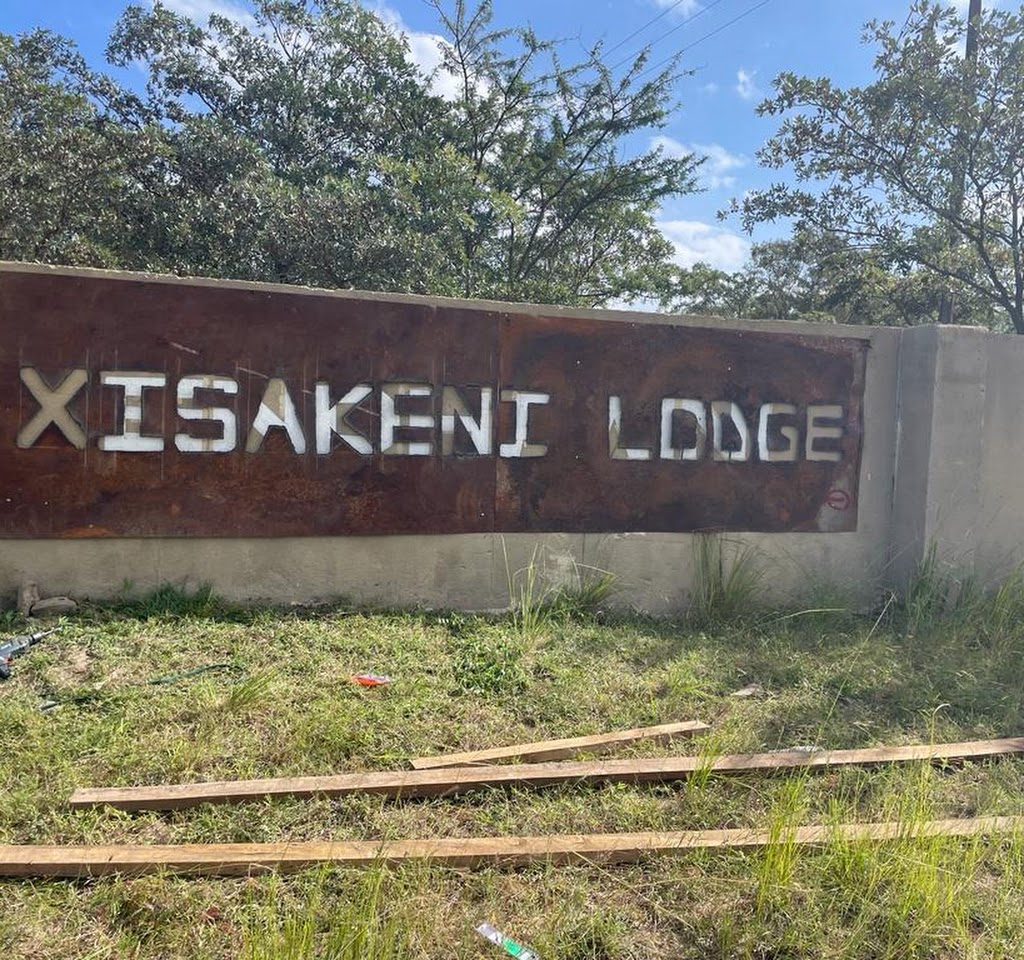
Consider including a stay at Xisakeni Lodge as part of your Mpumalanga itinerary. The property’s site provides an overview of its accommodation style and location, and it can serve as a reference point for planning. You can learn more about Xisakeni Lodge at their website: http://www.xisakenilodge.com/.
Practical tips for planning your Thulamahashe stay
- Book in advance for peak seasons, especially if you are aiming for specific lodges or guesthouses with strong local reputations.
- Check what is included in the rate (breakfast, parking, Wi‑Fi) to avoid unexpected charges.
- Ask about guided activities and the best times for wildlife viewing or cultural excursions.
- Prepare for variable weather by packing layers and a lightweight rain jacket, even in the dry season.
- Have a general plan for day trips, but stay flexible to enjoy spontaneous stops and local recommendations.