Thulamahashe, Mpumalanga: Accommodation, Attractions and Practical Planning for Visitors
Thulamahashe is a gateway to Mpumalanga’s rich landscapes, offering a range of lodging that suits travellers seeking comfort, value and convenience. The village itself sits close to larger centres and the dramatic scenery of the Lowveld, giving visitors a quiet base from which to explore neighbouring reserves, panoramas and cultural experiences. When planning a stay, consider a mix of stays in Thulamahashe and nearby towns to balance accessibility, pace and the ability to explore the wider region.
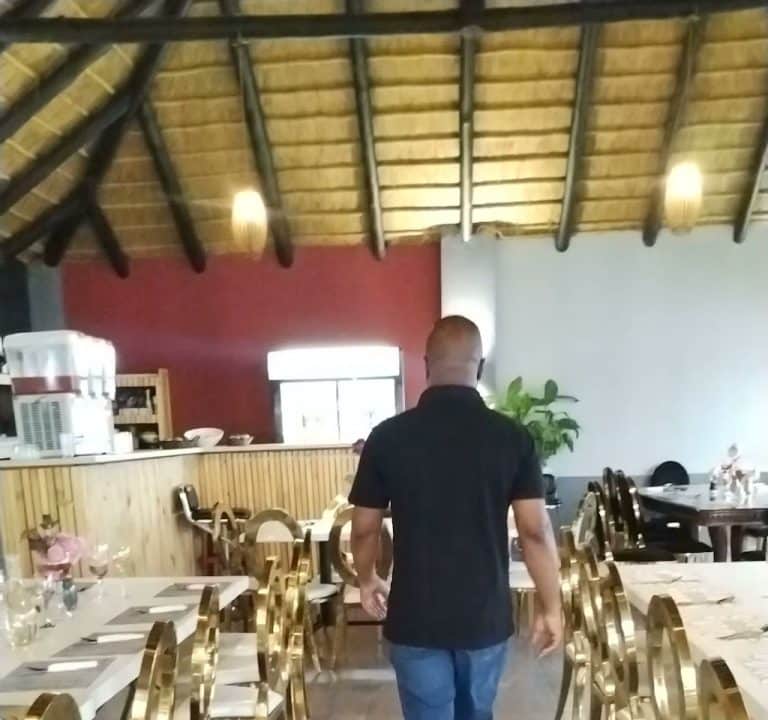
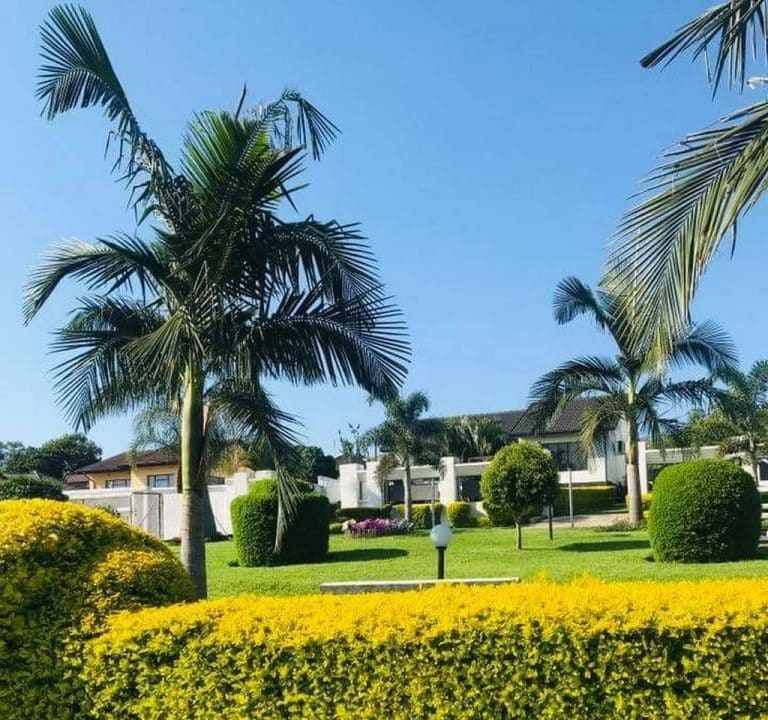
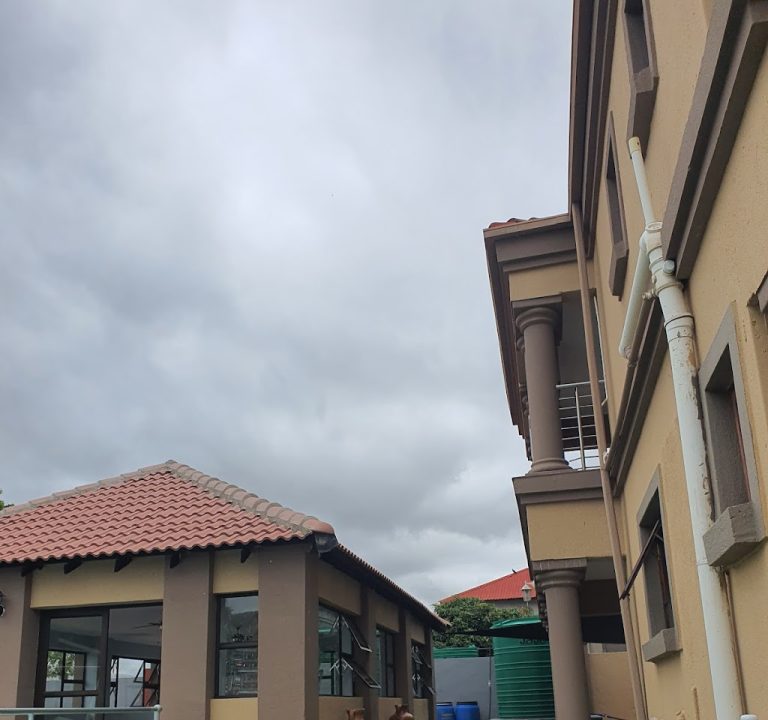
Accommodation options in and around Thulamahashe tend to focus on practical, no-nonsense comfort with a friendly local touch. You’ll find well-rated guesthouses and small hotels that prioritise clean rooms, dependable service and easy access to main roads. There are also boutique hotels and mid-range properties that blend contemporary decor with warm hospitality. Notably, Masana Boutique Hotel sits within the area as a stylish option for travellers who appreciate a more polished setting, comfortable beds and thoughtful amenities. While some properties pride themselves on décor and modern comforts, others emphasise value and straightforward convenience, so consider what matters most for your stay—space for groups, quiet hours, or facilities like a pool or dining room for convenience after a day of activities.
Areas to consider when choosing where to stay:
- Proximity to major routes: Staying near the main roads reduces drive times when you have early starts or day trips in mind.
- Access to local amenities: Look for properties with on-site dining options or easy access to shops, petrol stations and medical facilities.
- Quiet versus activity: If you want evenings without much noise, check room positions and property layout. If you prefer social environments, seek guesthouses with communal lounges or onsite bars.
- Safety and security: Verify secure parking, gates or 24-hour staff presence, particularly if you’re self-driving or arriving after dusk.
Typical amenities you may encounter include en-suite toilets, air conditioning or fans for hot Mpumalanga days, free Wi‑Fi, and parking. Many properties offer breakfast either included or available as an add-on, and some provide evening meals or light snacks on request. Laundry facilities are a practical addition for longer stays, and a few guesthouses may offer a pool, outdoor seating areas, or garden spaces to unwind after a day’s exploration. When booking, confirm what is included in the nightly rate—some places bundle meals or activities, while others keep rates lower with optional extras payable on arrival.
Transport and getting around is a key planning factor. If you are driving, you’ll likely rely on a rental or private vehicle to reach Kruger Park entrances, local viewpoints, and surrounding towns. Check parking arrangements and whether reception can arrange secure overnight parking for any longer trips. For those preferring not to drive, some properties can assist with arranging transfers or guided day trips to nearby natural areas. Remember that rural Mpumalanga roads can be variable; allow extra time for a relaxed pace and unexpected delays, particularly after rain.
The best time to visit Thulamahashe and the surrounding Lowveld depends on your interests. The cooler and drier winter months, typically May to September, are popular for wildlife viewing and outdoor exploration because animals tend to congregate around water sources and vegetation is thinner. If you enjoy lush scenery and dramatic skies, the summer season brings afternoon thunder showers, vibrant sunsets and blooming landscapes, but be prepared for higher humidity and heat. For those sensitive to malaria, particularly when visiting close to game reserves or riverine areas, take sensible precautions, follow local guidance, and consult public health recommendations in advance. Packing a lightweight rain jacket and a sunhat is always wise in Mpumalanga’s changeable climate.
What to plan for in terms of activities and experiences: Thulamahashe serves as a practical base for day trips and nature-focused itineraries rather than a wide-suite of stand-alone attractions. Visitors typically plan for a mix of self-guided exploration and guided experiences in the region. In the vicinity you can expect opportunities for scenic drives, wildlife viewing, and cultural interactions that showcase local communities and crafts. When booking tours or activities, choose operators with clear safety practices, transparent pricing, and departures from convenient meeting points or your accommodation. Consider arranging a couple of longer day trips to nearby wildlife areas or reserves, if available, to maximise your time without long travel days.
Restaurants in Thulamahashe and the surrounding areas generally offer straightforward dining experiences, ranging from informal bistros to family-run eateries. Expect a mix of traditional South African flavours and contemporary favourites. If you have dietary needs or preferences, it’s helpful to enquire ahead or ask your host for local recommendations. For those who are interested in cuisine as part of the travel experience, you can look for places that offer a cosy dining atmosphere with friendly service, and consider trying a few casual meals away from the hotel for a broader sense of the local dining scene.
Practical tips for a smooth stay:
- Book ahead where possible, especially in peak travel periods, and confirm what is included in the rate (breakfast, parking, wifi, etc.).
- Ask hosts or front desk staff about safe walking routes and best airport or station transfer options if you arrive late.
- Pack layers for variable temperatures and a lightweight rain jacket for afternoon showers in summer.
- Bring small change for incidental purchases and tips, and confirm payment methods accepted at your accommodation.
- Check if your chosen base provides laundry facilities or a nearby laundry service, useful for longer stays.
In summary, Thulamahashe offers practical, comfortable options for travellers who prefer to base themselves in a less touristy part of Mpumalanga while staying well connected to wider experiences. With careful booking, a sense of pace for exploration, and sensible planning for transport and amenities, a stay here can be both comfortable and convenient, providing a solid platform to enjoy the region’s natural beauty and developing local culture.