Thulamahashe: Where to Stay and What to Do in Mpumalanga
Thulamahashe in Mpumalanga offers a friendly base for travellers exploring the Lowveld, with a selection of guesthouses, bed and breakfasts, and small lodge-style venues that focus on comfort and straightforward hospitality. When planning a stay here, consider how you want to balance rest with the chance to explore nearby natural landscapes, wildlife reserves, and the wider region. A well-chosen base can make day trips easier and more enjoyable, while giving you time to unwind after long drives or busy itineraries.
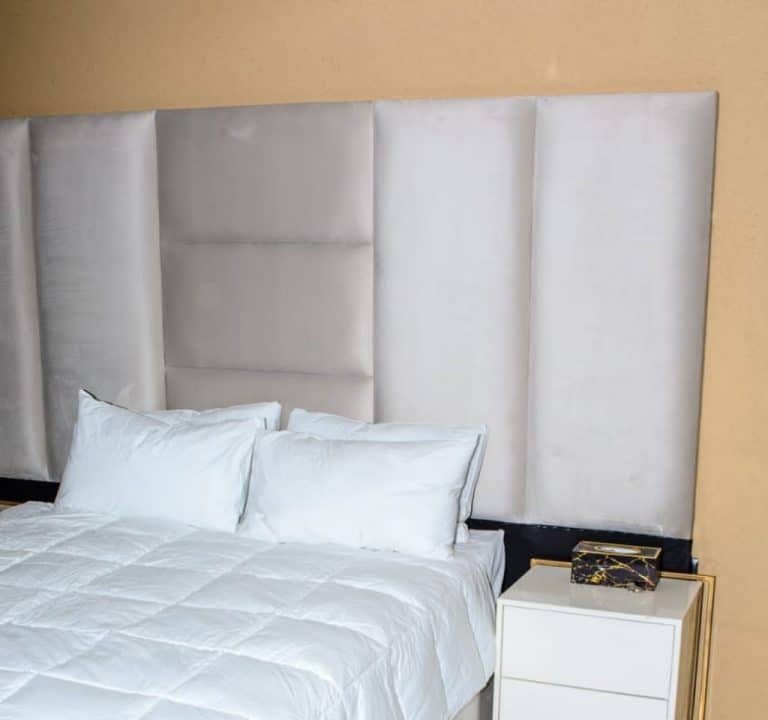
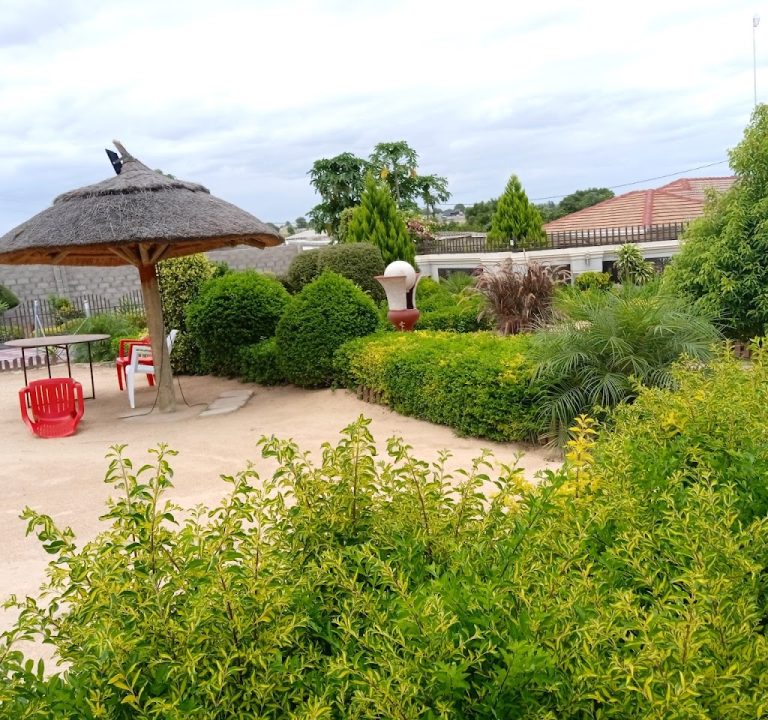
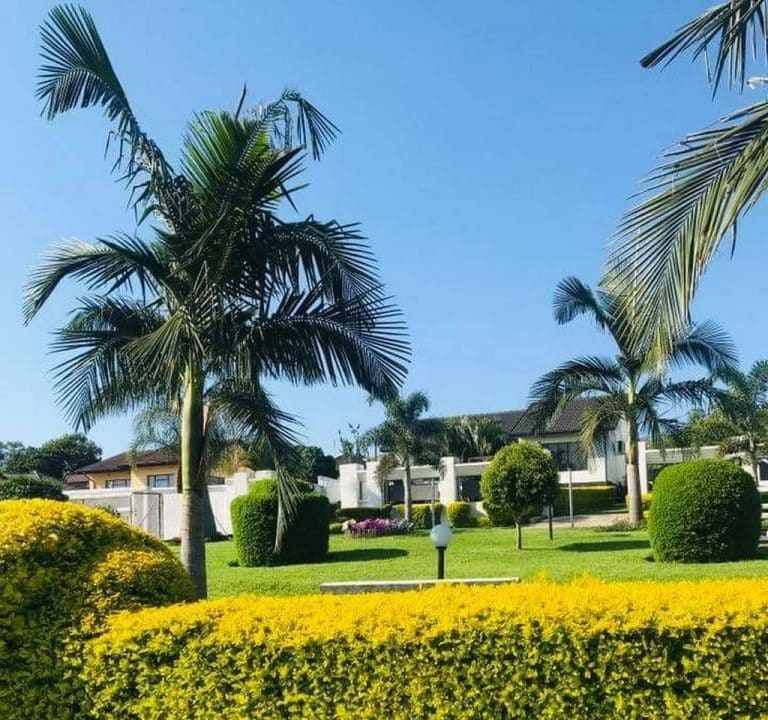
Accommodation options in and around Thulamahashe tend to emphasise a warm, personal touch rather than a glossy, corporate experience. Look for places that clearly describe the type of room, bed configuration, and whether meals are included or available on request. If you are travelling with family, check on room layout or family suites, and whether facilities such as a safe parking area, a small garden or outdoor seating, and reliable heating or fans are available depending on the season. For guests seeking a home-from-home stay, a bed and breakfast can offer a more intimate atmosphere alongside home-cooked breakfasts and local tips from hosts.
When choosing where to stay, think about the areas you could base yourself in. Thulamahashe itself is a practical hub for access to nearby towns and landscapes, while surrounding communities may offer a quieter, more rural ambience. Proximity to main routes can reduce travel time for day trips, but a little extra distance from the centre may reward you with more peaceful surroundings and better value. Check how far your accommodation is from the airport or major road connections, and whether there is a reliable taxi or local transport option for evenings out or early morning excursions.
Typical amenities to look for include secure parking, 24-hour reception or on-site staff who can assist with local advice, and clean, well-maintained rooms with en-suite or adjacent shared bathrooms. If you rely on the internet for planning or work, confirm Wi-Fi availability and its reliability in common areas or rooms. A good on-site breakfast or easy access to a nearby café can save planning time in the morning, while a well-equipped guest kitchen or dining area is handy for travellers who prefer self-catering on some days. For families or longer stays, request extra towels, laundry facilities, and storage space for luggage. A thoughtful host might also offer local dish recommendations or guided suggestions for safe day trips into the surrounding landscape.
Transport in and around Thulamahashe is practical to plan in advance. Roads are generally navigable by car, making a self-drive itinerary a popular choice for visitors exploring the Mpumalanga region. If you are relying on public transport, verify the accessibility and timetable options in advance, and coordinate with your host about safe pickup points or convenient meeting spots. For those with a keen interest in wildlife and nature, consider a flexible schedule that allows for early starts, as many attractions are best experienced in the cooler morning hours. If you intend to visit larger parks or reserves, research opening hours and any permit requirements beforehand to avoid delays at the gate.
The best time to visit Mpumalanga and Thulamahashe depends on your priorities. The cooler, drier winter months can be excellent for wildlife viewing and outdoor activities with more comfortable temperatures, while the summer season brings greener landscapes and a chance of brief, refreshing showers. Outdoor excursions may be most pleasant in the late spring and autumn months when the weather is mild and wildlife sightings are rewarding. Pack layers for variable temperatures and remember sun protection for daytime exploration, even when skies are overcast. If you are sensitive to heat, plan strenuous activities for early in the day and take regular breaks in shaded or air-conditioned spaces.
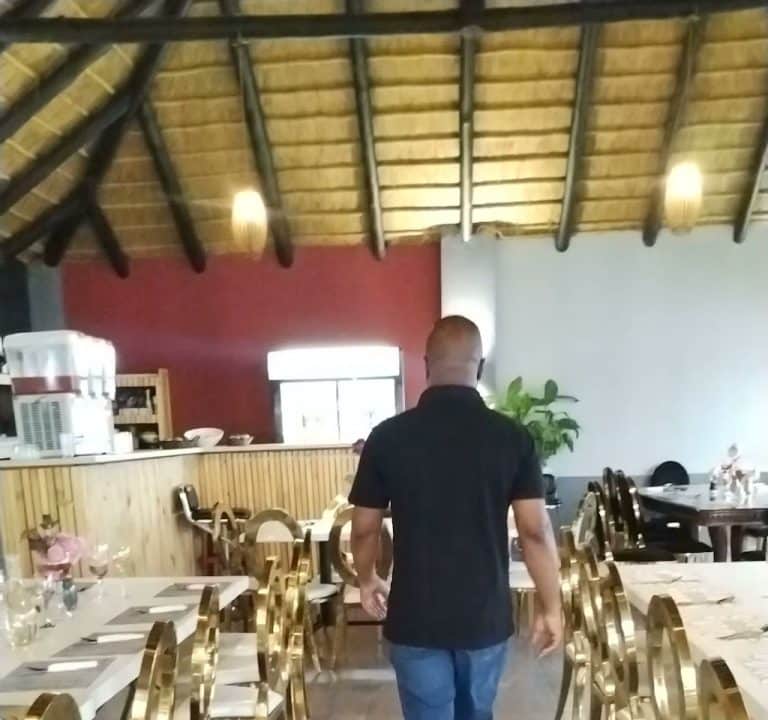
When it comes to dining, you will find a range of options within a reasonable distance from most accommodation. Local eateries tend to offer hearty, straightforward dishes that reflect the region’s flavours, with choices suitable for families, couples, and solo travellers. If you prefer to dine in, many guesthouses and small lodges can arrange a private meal or provide recommendations for nearby places to eat. For guests seeking a more guided experience, your host may be able to suggest markets or street-food-style venues for an affordable and authentic taste of the area, always in a safe and respectful manner.
Practicalities to keep in mind include a modest budget for incidental purchases, fuel, and entrance fees for any nature reserves you plan to visit. Have a small amount of local currency on hand, even if most venues accept cards, as some remote spots may prefer cash. Always check cancellation policies at the time of booking, especially during shoulder seasons when plans can shift due to weather or local events. If you are staying at Nsuku Bed & Breakfast or similar establishments, take advantage of the opportunity to chat with hosts about hidden gems, short walks, and safer, scenic routes for a relaxed, well-rounded visit.
- Plan around early starts for wildlife or nature outings when temperatures are cooler and animals are more active.
- Choose accommodation with clear information on meals, parking, and local tips to streamline your stay.
- Factor in travel time to and from major routes and reserves, allowing buffer periods for unplanned discoveries.