Accommodation and Things to Do in Thulamahashe, Mpumalanga
Thulamahashe offers a gateway feel for visitors exploring the Mpumalanga region, combining rural charm with convenient access to natural landscapes and wildlife experiences. When planning a stay, consider whether you prefer a family-run guesthouse, a mid-range lodge, or a more contemporary hotel style base. Each option has its own atmosphere, amenities, and how it fits with your travel plans. The town serves as a practical base for day trips to nearby reserves, scenic viewpoints, and practical services in the surrounding area.
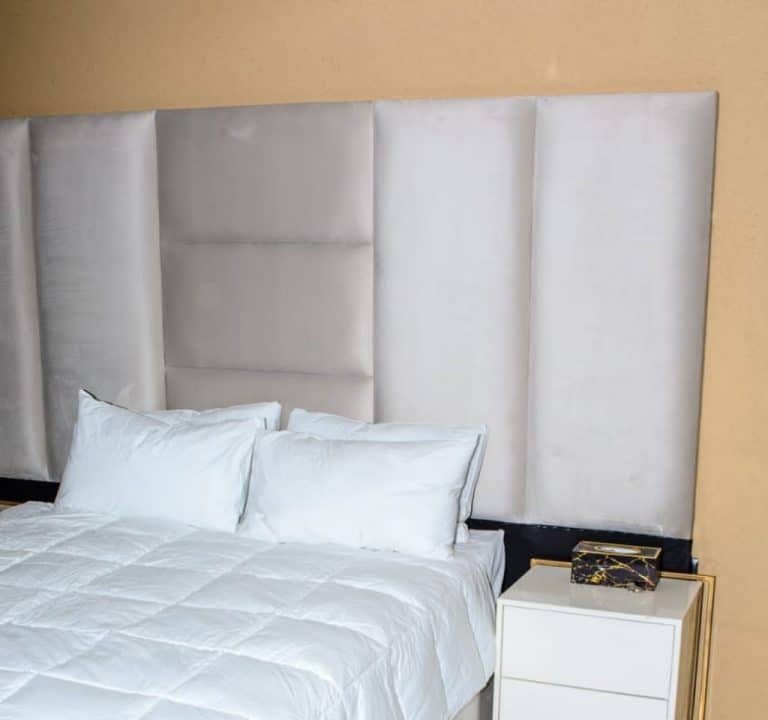
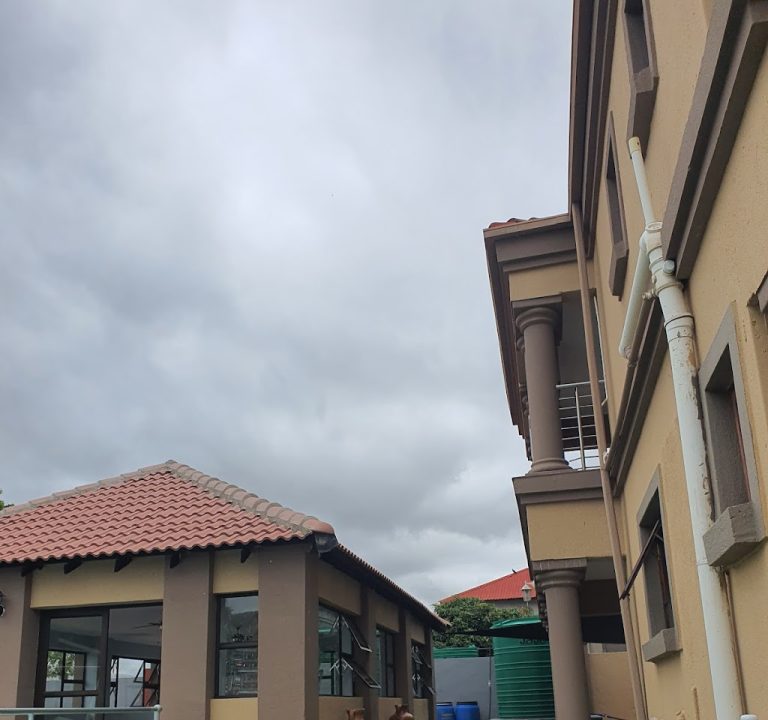
Accommodation generally ranges from modest guesthouses and lodges to small hotels and self-catering units. Look for places that prioritise comfort and practical features for travellers, such as secure parking, reliable Wi‑Fi, and easy access to amenities. If you are travelling as a group or with family, you’ll appreciate rooms or units with flexible layouts, kitchen facilities, and on-site parking. For solo travellers, locations with easy taxi or rideshare access, or close proximity to essential services, can make a big difference to your stay.
When choosing where to stay, think about the layout of the town and your intended itinerary. Some accommodation clusters lie closer to main routes leading to Kruger National Park’s eastern gates or to regional reserves, while others are tucked away in quieter neighbourhoods. If you are planning early-morning game drives, select a base that offers short transfers to drive-out points or provides helpful information about local operator options. If you’ll be self-catering or cooking, confirm the suitability of kitchens or braai areas (barbecue facilities) and the availability of grocery shops within a reasonable distance.
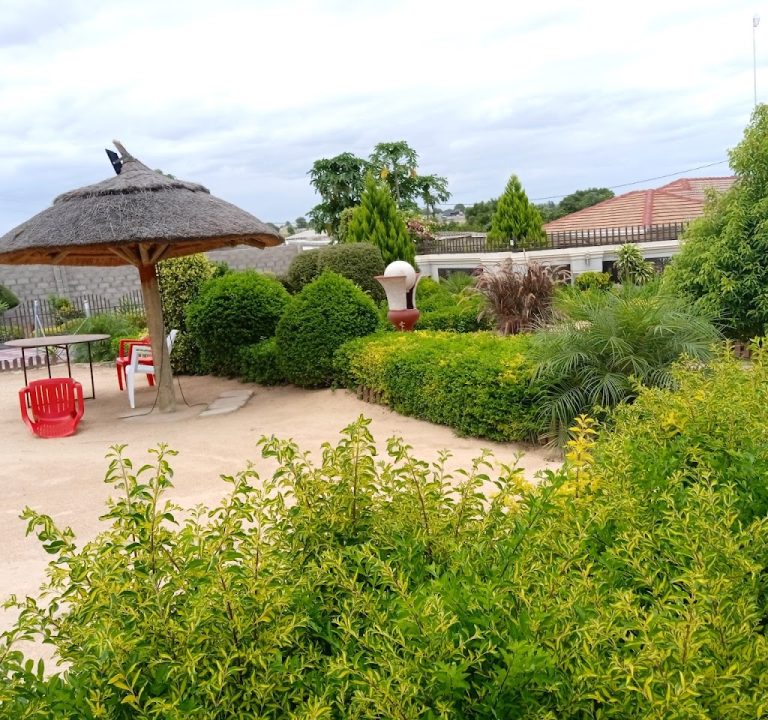
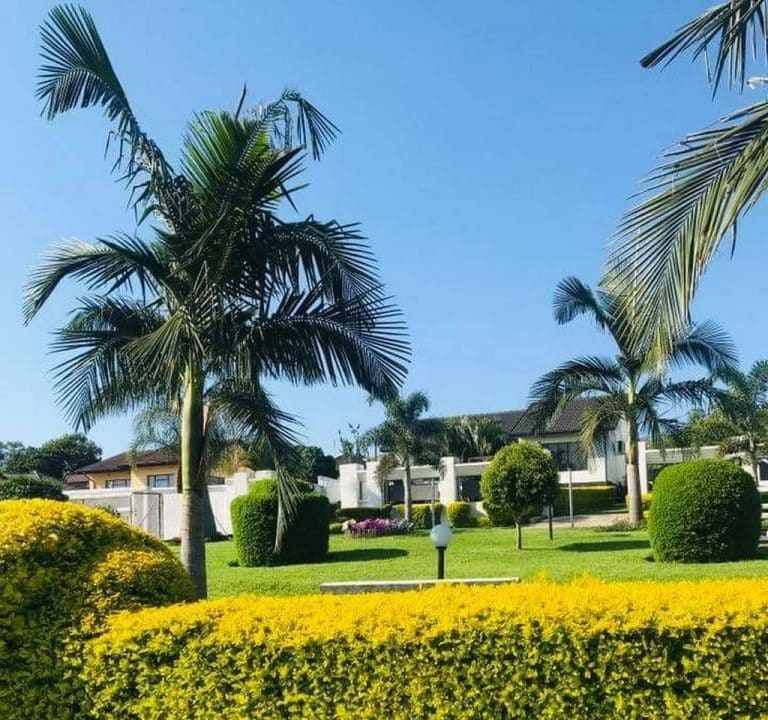
Amenities to look for include robust breakfast options, secure parking, 24-hour reception, and thoughtful touches such as guest lounges, outdoor seating areas, and shaded spaces for evenings outdoors. Many properties in the region provide outdoor fires, pool facilities, or shaded verandas—areas that are especially appealing in the warmer months. If you require accessibility considerations, check with the property about room configurations and access features before booking.
Transport in and around Thulamahashe is practical to plan for. A car or organised tours are common ways to explore the area and its surroundings. If you won’t have a vehicle, verify the availability of reliable local transfer services or proximity to public transport options and towns with broader dining and shopping choices. When budgeting, remember to factor in potential transfer times to wildlife experiences and any early starts for day trips. General safety and travel preparedness are worth considering; keep your valuables secure, use reputable operators for excursions, and confirm meeting points and itineraries in advance.
Best time to visit Mpumalanga for wildlife and scenery generally aligns with the dry season, typically from May to September. Conditions are cooler and vegetation thinner, which can improve wildlife sightings and visibility. The summer months (roughly November to March) bring warm days and afternoon showers, creating lush landscapes and vibrant colours but potentially longer transfers due to rain activity. Consider your priorities—birdlife, photography, or quieter periods—and plan accordingly. Weather can influence road conditions, so stay flexible and check local forecasts ahead of travel days.
Beyond accommodation, Thulamahashe serves as a practical base for exploring the wider Mpumalanga region. Visitors often incorporate day trips or short excursions to nearby nature reserves, scenic viewpoints, and cultural experiences that highlight local life and landscapes. When planning activities, balance wildlife viewing with time to stroll local streets, markets, and eateries to enjoy the relaxed pace of the region. While specific venues and menus can vary, you can expect an emphasis on fresh ingredients and hearty, comforting fare in many local dining options. For broader culinary choices, nearby towns offer more extensive menus and dining styles, ranging from casual eateries to more refined options.
Practical planning tips for a smooth stay in Thulamahashe:
- Book accommodation with clear cancellation policies, especially if your plans may shift; flexible options offer peace of mind in any travel itinerary.
- Confirm access to amenities you value most (kitchens, laundry, parking, Wi‑Fi) before booking.
- Ask about transfer or tour arrangements if you do not plan to drive; many properties can assist with vetted operators.
- Bring a light layer for cool mornings and evenings, even in warmer seasons, as temperatures can shift.
- Respect local customs and natural spaces; seek guidance from your hosts about cultural etiquette and safety around wildlife and nature reserves.
Useful resources for planning your visit include national and regional tourism sites that offer practical guidance, maps, and listings of accommodation options. To learn more about Mpumalanga and South Africa’s travel opportunities, you can explore official tourism portals and regional sites for current events and tips. For example, Mpumalanga’s tourism authority and South Africa’s national travel platforms provide inspiration and practical information to help you tailor a trip that matches your interests and budget. Always verify current travel advisories and local conditions before finalising plans.
In summary, Thulamahashe offers a straightforward, comfortable base for travellers seeking accessible accommodation in Mpumalanga with easy routes to wildlife experiences and natural beauty. By prioritising location, essential amenities, and reliable transport, you can design a balanced itinerary that maximises your time in this part of South Africa while enjoying a welcoming, traveller-friendly stay.