Thulamahashe, Mpumalanga: where to stay and how to plan your visit
Thulamahashe sits in the Mpumalanga region of South Africa, a gateway for travellers seeking wildlife, verdant landscapes and a taste of everyday local life. While the village itself is modest, its surrounding area offers a range of guest houses, lodges and small hotels that provide comfortable bases from which to explore the broader Mpumalanga Lowveld. For visitors who value warm hospitality and straightforward access to nature, Thulamahashe can be an excellent starting point.
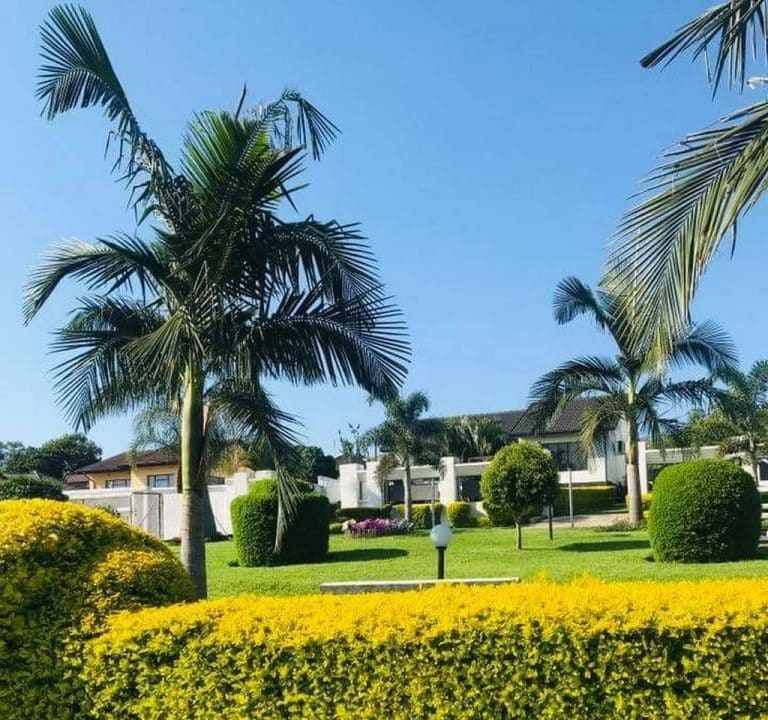
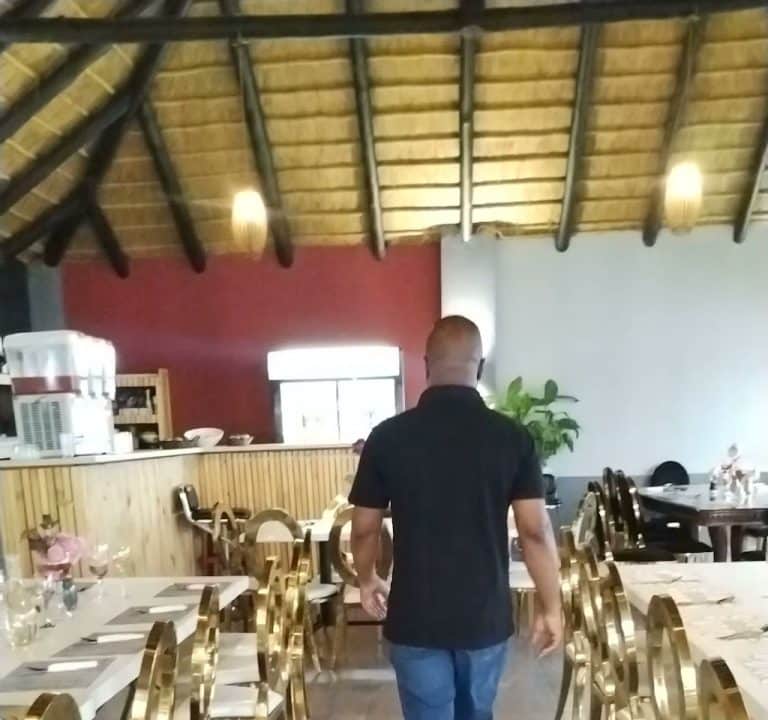
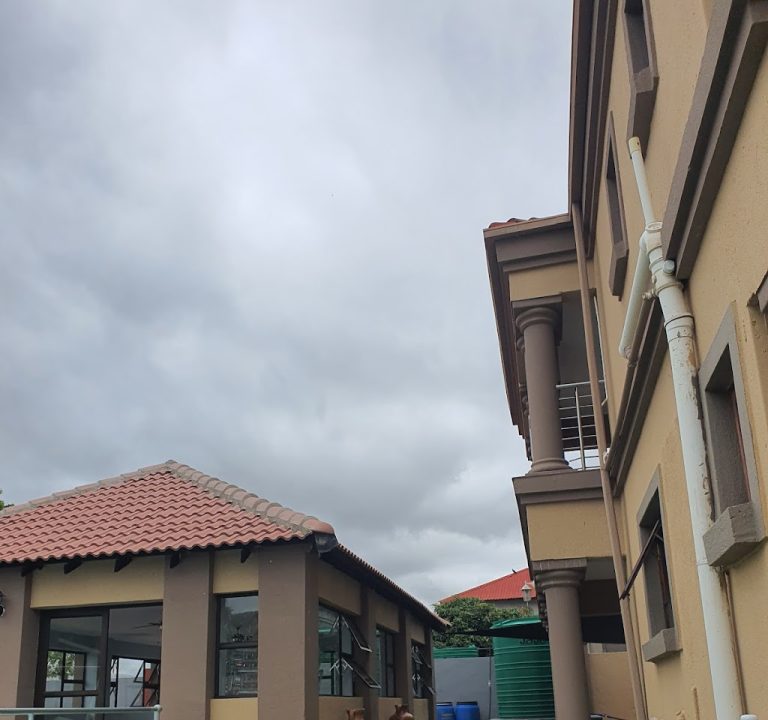
Accommodation options in and around Thulamahashe are typically guest houses and small lodges that prioritise a welcoming atmosphere and practical conveniences. One notable example is the Nhlalala Guest House, a local guest house that aims to offer a relaxed stay with friendly service and convenient amenities. When you book, look for rooms that include private or en-suite bathrooms, reliable Wi-Fi, on-site parking and clear access to common areas such as a shaded outdoor seating area or a dining room. Some properties also offer breakfast or dinner options, which can simplify planning after long days out exploring the region.
Areas to consider when planning your stay include proximity to main roads, access to local shops, and ease of travel to nearby wildlife experiences. A stay nearer to the town centre can be convenient for short trips in the evening for meals or basic supplies, while quieter pockets a short drive away may offer more restful nights and a greater sense of seclusion. If you intend to visit wildlife reserves or take day trips into the broader Mpumalanga landscape, check whether your chosen accommodation can arrange reliable transfers or advise on safe, well-marked routes. In all cases, confirm access to a comfortable place to rest after your excursions and a guest house or lodge with adequate security arrangements.
Typical amenities to expect include comfortable beds with clean linen, fans or air conditioning for hot afternoons, and practical storage for clothing and equipment. In Mpumalanga’s warmer seasons, a shaded outdoor area, a swimming pool or garden space can be a welcome perk. Electricity reliability is worth confirming, as power outages can occur in some rural areas; properties with backup power or water storage facilities will help ensure a smoother stay. Breakfast options, secure parking, and multilingual hosts who can share local tips are also features many travellers value highly when choosing where to stay.
Practical planning tips for a Thulamahashe stay include thinking about transport. A reliable car is often the best way to explore Mpumalanga and reach wider attractions, though some lodges can arrange transfers from major hubs such as Mbombela (Nelspruit) or White River. If you prefer not to drive, look for guest houses that offer airport or city transfers or that are located on routes serviced by reputable taxi services. Pack appropriately for the climate: light, breathable clothing for the heat, and a light layer for cooler evenings. Have a small first-aid kit on hand and keep a supply of bottled water in your vehicle, particularly if you plan longer day trips into rural areas.
Best time to visit Mpumalanga tends to be during the South African winter and spring months (May to September) when days are generally sunny, mornings crisp and wildlife viewing can be very good. The wetter summer months (October to March) bring lush scenery and occasional showers, which can be excellent for landscapes but may affect outdoor plans. Respect local weather patterns, plan flexible itineraries and book accommodation with flexible cancellation policies if possible.
When outlining your itinerary, think beyond the obvious wildlife experiences. Thulamahashe serves as a practical base for exploring the Mpumalanga region’s broader appeal, including wildlife reserves, escarpment viewpoints and cultural experiences in nearby communities. In addition to day trips to celebrated natural sites, consider gentle walks, nature drives and interactions that reflect the local culture. Dining options within or near your stay often focus on comforting South African cuisine, with spots that offer breakfast and dinner in a relaxed setting. For evening meals, you might sample simple, hearty dishes and seasonal favourites, with many venues emphasising fresh, locally sourced ingredients where available. If you enjoy regional flavours, plan a day to visit nearby towns and markets to experience a broader range of restaurant styles and home-cooked meals.
- Book a property with secure parking, good lighting, and clear communication from hosts.
- Check for essential conveniences: Wi‑Fi, air conditioning or fans, and on-site dining options.
- Ask about transfers or recommended routes for safe, reliable travel to wildlife reserves and scenic drives.
- Clarify payment terms, cancellation policies, and the availability of breakfast or dinner services.
- Pack essentials for outdoor days: water, sun protection, hat, map or offline navigation, and a basic first-aid kit.
Useful resources for planning include official tourism information and regional guides. For general trip inspiration and practical tips, you can consult sources such as official South Africa tourism pages or Mpumalanga provincial tourism sites. When you arrive, chat with your hosts about local highlights, seasonal activities and transport options tailored to your plans. With thoughtful preparation, a stay in Thulamahashe can combine comfortable accommodation with easy access to Mpumalanga’s natural beauty and welcoming local culture.
For more ideas on places to stay and planning details, visit trusted travel resources and local tourism pages linked through reputable sites. This will help you tailor your itinerary to match your interests, whether you are seeking wildlife encounters, scenic drives, or simple, restful days in a friendly setting.