Where to stay and what to do in Gqeberha, Eastern Cape
Gqeberha, formerly known as Port Elizabeth, offers a friendly mix of coastal charm, city convenience and access to the Eastern Cape’s natural beauty. When planning a stay, consider the different neighbourhoods that suit varying rhythms of travel. The beachfront areas tend to be lively and walkable, while the city centre and surrounding suburbs provide easy access to business hubs, markets and a broader choice of eateries. A stay in Gqeberha can be relaxed by the sea, or energetic with day trips to nearby reserves and coastal towns.
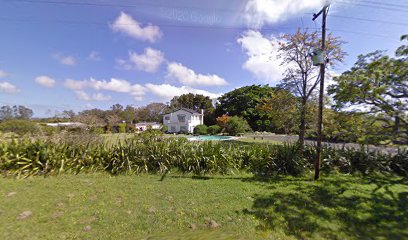
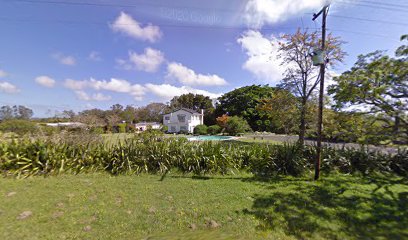
Accommodation options range from guest houses and boutique hotels to self‑catering apartments and larger hotels. A guest house such as Wyndomayne Guest House, if you are considering small-scale, personal service, can offer a convenient base with comfortable amenities and proximity to key sights. When selecting a place to stay, look for a thoughtful balance of location, value, and practical comforts that suit your itinerary.
Areas to consider include the beachfront suburbs, where you can enjoy ocean views and easy access to promenades, as well as the city’s hub around the central business district and Greenacres for shopping and dining. Summerstrand, in particular, is known for its proximity to the water and leisure options, while Humewood and the inner harbour areas provide a mix of characterful rooms and convenient transport links. If you plan longer stays or family trips, self‑contained flats in residential neighbourhoods can offer a home‑from‑home feel with the convenience of kitchens and lounges.
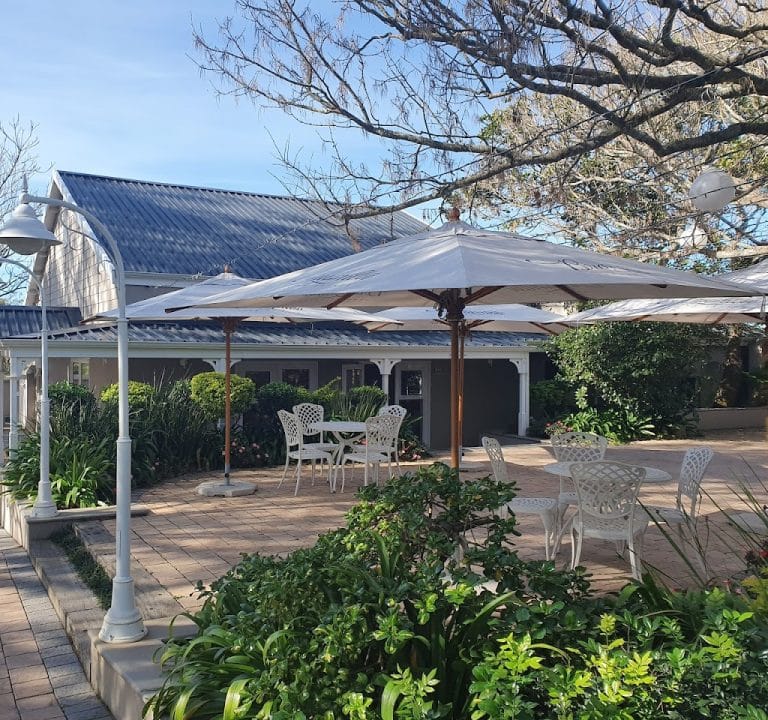
Typical amenities to look for include secure parking if you are driving, reliable Wi‑Fi, air conditioning or good natural ventilation, en‑suite bathrooms, and a reasonable breakfast offering if you prefer not to dine out every morning. Many guest houses and boutique hotels also provide communal spaces, such as lounges, gardens or terraces, which can be a pleasant place to mingle with fellow travellers or simply unwind after a day exploring. When booking, verify cancellation policies and accessibility features, especially if you have mobility needs or travel with family.
Transport is straightforward in Gqeberha. A combination of self‑drive, ride‑hailing, and local taxis covers most routes. If you plan to explore outside the urban core—such as Driftdal, the Donkin Reserve, or the coastal roads to nearby towns—having a car is convenient. For inner-city stays, ask your host about parking arrangements and any restrictions, and check whether the property offers a shuttle service or can assist with reputable local transport options.
The best time to visit depends on your preferences. Summer and early autumn (roughly November to March) bring warm weather ideal for beach days, outdoor activities, and sea breezes. Winter (June to August) is cooler and quieter, which can be advantageous for travellers seeking lower rates and a calmer pace. For those chasing marine life or shoreline scenery, springtime offers pleasant temperatures and manageable crowds. Always check the local climate forecast and seasonal events that might affect accommodation availability or traffic.
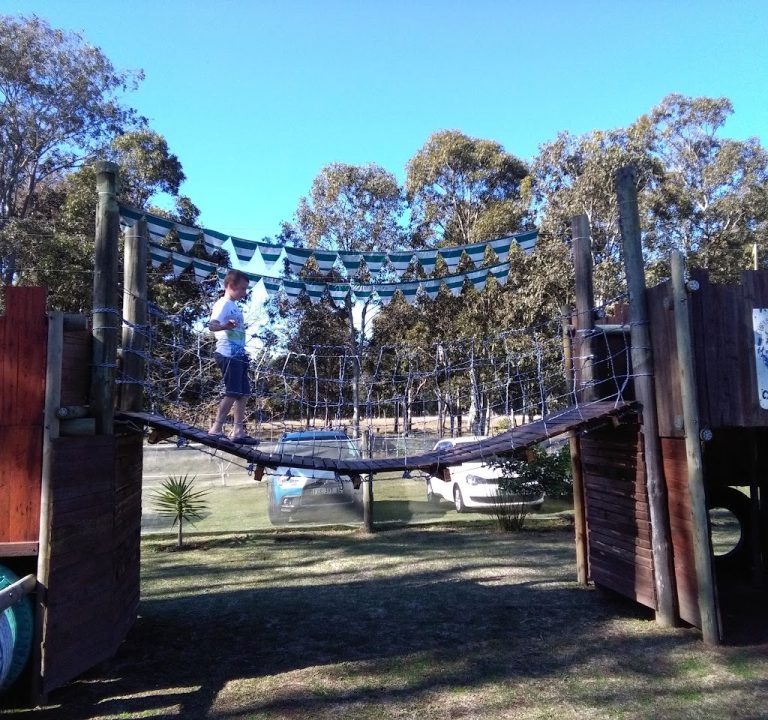
When planning activities, balance must‑see sights with downtime. In general terms, you can expect a mix of beachside walks, harbour views, museums (covering local history and culture), and outdoor spaces suitable for families. If you enjoy nature, venture to regional parks or coastal reserves to discover indigenous flora, birdlife and scenic viewpoints. For dining, you’ll find a range of casual eateries and more refined restaurants offering coastal fare and international influences—the emphasis is on fresh ingredients and a relaxed South African hospitality ethos. In terms of numbers, plan a few meals out each day and leave room for spontaneous discoveries, such as a market stall or a café with a harbour view.
Practical tips for a smooth stay:
- Book in advance during peak holiday periods and school holidays to secure the best locations and rates.
- Check the property’s access arrangements, especially if you arrive late or need flexible check‑in options.
- Ask about laundry facilities if you’re on a longer trip; some guest houses offer a small self‑service option or can arrange a laundry service.
- Consider a base near transport hubs or main arterial routes to reduce travel time between sights.
- Pack sun protection, a light jacket for cooler evenings, and comfortable walking shoes for coastal promenades and city streets.
For inspiration and practical planning, visiting local tourism resources and official city guides can help you tailor your itinerary to your interests. You’ll find suggestions for longer excursions, family‑friendly activities, and cultural experiences that reflect the character of the Eastern Cape. More information can be found on regional tourism sites and the city’s official pages, which typically offer practical visitor tips, maps and suggested day plans. When you’re ready to book, review guest reviews and photos to confirm the room type, size, and amenities align with your expectations.
Finally, keep an open mind to the pace of Gqeberha—its warmth often shines through in unplanned discoveries: a friendly chat with a host, a sunset over the harbour, or a quiet morning by the sea before the town wakes. With thoughtful planning around accommodation, transport and timing, a stay in Gqeberha can be memorable for all the right reasons.