Where to Stay and What to Do in Gqeberha, Eastern Cape
Gqeberha, formerly Port Elizabeth, blends long sandy beaches, rugged coasts, and vibrant city life in a way that appeals to travellers seeking comfort, convenience, and easy access to nature. When planning a stay in the Eastern Cape’s coastal city, you can tailor your arrangement to your interests—whether you favour a self-catering retreat, a boutique guesthouse, or a family-friendly lodge. The key is to choose a neighbourhood and a setup that aligns with how you like to spend your days.
Accommodation options vary from self-catering properties to guesthouses with breakfast included, and hotels that place you close to the action. Self-catering stays are ideal for longer breaks or budget-conscious travellers who want the freedom to cook and relax on their schedule. Look for places with well-equipped kitchens, laundry facilities, and clear house rules. For short breaks, a guesthouse or hotel in a lively area can provide the convenience of on-site reception, daily housekeeping, and access to common spaces such as lounges or gardens. If you’re travelling with family or a group, a larger unit or a villa with separate bedrooms and outdoor spaces can make a real difference to comfort and privacy.
Areas to consider include the beachfront zones, where you’ll enjoy easy access to sea air and scenic promenades; the city centre, which offers proximity to markets, eateries, and cultural corners; and quieter residential suburbs that can feel more spacious and relaxed. When choosing, consider transport links—whether you’ll rely on taxis, rideshares, or a rental vehicle—and the proximity to your planned activities. Some properties offer shuttle services or have parking on site, which helps with planning day trips along the coast or inland to the countryside and reserves.
Typical amenities you might encounter include free Wi‑Fi, private or shared living spaces, comfortable bedding, kitchen facilities or a kitchenette, secure parking, and practical touches such as beach gear, laundry facilities, and clear travel guides. Energy efficiency and water conservation are increasingly important, so look for properties that use sustainable practices, such as smart lighting, well-insulated rooms, and efficient appliances. If accessibility matters, check for units with step-free entries, wide doors, and accessible bathrooms.
Best time to visit Gqeberha tends to follow the Southern Hemisphere seasons. The summer months bring warmer seas and lively coastal life, while shoulder seasons can offer milder weather and quieter streets. If you plan oceanal activities or wildlife excursions, consider allocating time around favourable tides and seasonal sea conditions. Inland excursions to Addo Elephant National Park or nearby nature reserves are popular and can be enjoyed year-round with appropriate planning. Regardless of when you visit, it’s worth budgeting for travel between the city and surrounding attractions, as the Eastern Cape landscape rewards those who venture beyond the beachfront beyond the main hubs.
Practical planning tips to help you make the most of your stay:
- Book in advance for peak periods, especially for self-catering properties during school holidays or long weekends.
- Request a detailed checklist of what is provided (linens, towels, kitchenware) to avoid bringing or buying duplicates.
- Check for beach access or proximity to coastal paths if your trip revolves around sunbathing and watersports.
- Ask about security features, particularly if you will be staying in residential areas or at night-time excursions.
- Clarify cancellation terms and any minimum stay requirements, which can vary by season and property type.
Dining and local flavour are an essential part of any visit. Gqeberha’s restaurant scene ranges from casual cafés and seaside eateries to more contemporary venues offering modern twists on regional favourites. Rather than focusing on specific prices or titles, look for establishments that showcase local ingredients, fresh seafood, and seasonal menus. Many places offer al fresco dining with views of the harbour or ocean, which can be a highlight of a seaside stay. If you prefer self-catering, nearby markets and food halls provide an opportunity to assemble your own meals with regional produce and artisan products.
When choosing accommodation, it helps to think about access to attractions as part of your daily itinerary. Popular day trips include coastal drives, wildlife experiences inland, and cultural stops that reveal the region’s history and artistry. You’ll find that some self-catering options position you well for early starts, while central stays might offer easier access to walkable streets, cafés, and public transport links.
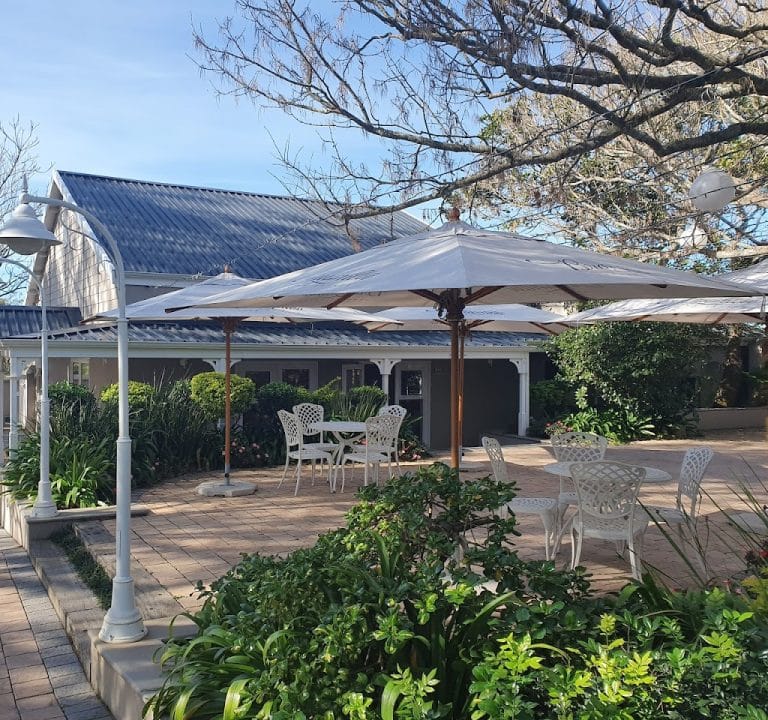
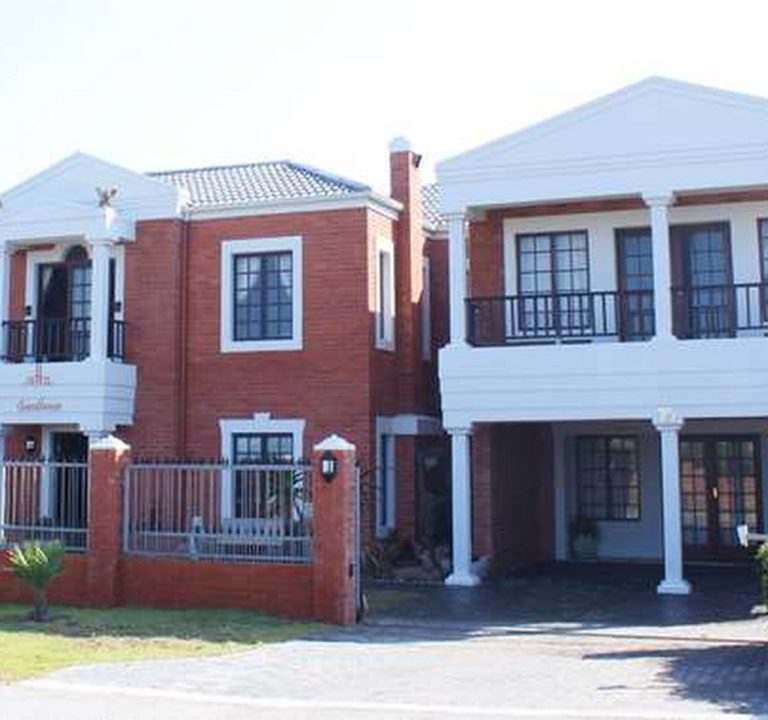
For travellers curious about a specific stay with its own character, consider a property like Little Louisa Self Catering Accommodation. It sits within a setting that emphasises comfort and practicality for guests who want independence with the option of shared common spaces. More information about this option can be found on its official website: Little Louisa Self Catering Accommodation.
Transport in and around Gqeberha is generally straightforward, with a mix of taxis, rideshare services, and car hire available. If you plan to explore beyond the city, a car offers flexibility to discover the beaches, nature reserves, and inland viewpoints at your own pace. When you arrive, allow a little time for adapting to the city’s rhythms—traffic patterns and peak hours can vary, especially near popular coastal routes and business districts.