Staying in Gqeberha: a guide to accommodation, neighbourhoods, and local experiences
Gqeberha, known for its rugged coastline, wide beaches and friendly South African hospitality, offers a range of stays from intimate guest houses to welcoming lodges and contemporary city hotels. Whether you are chasing a seaside vibe, easy access to the city’s cultural draws, or a base from which to explore the Bloomingdale hinterland and nearby nature reserves, the right accommodation can set the tone for a memorable visit. A notable option for travellers seeking personal attention and a local flavour is Ebubeleni Guest House, a guest house that embodies the warm, community-minded spirit of the region.
One of the first decisions when planning a stay is choosing the neighbourhood or area. The beachfront and harbour areas tend to be lively, with plenty of dining options and scenic walks, while the city centre offers convenient access to business services, historic sites and museums. Suburban pockets provide a quieter stay with easy access to longer drives along the coast or into the country. When selecting a property, consider how you will move around: a walkable location near the beach or inner-city hubs can reduce reliance on taxis or car hire, while a more remote guest house may offer peace and garden space but require a vehicle for outings.
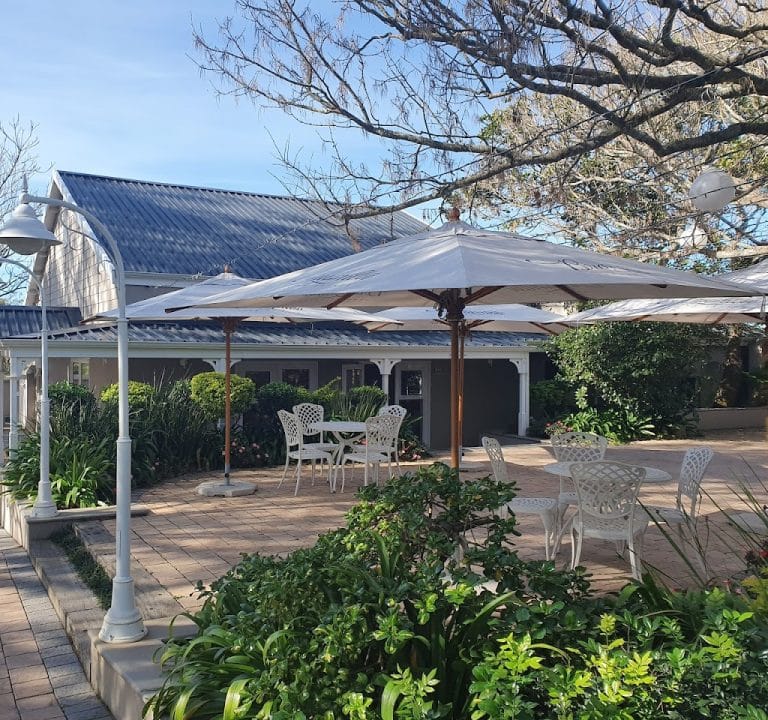
Typical accommodation in Gqeberha spans guest houses, boutique hotels, self-catering flats, and larger hotels. Common amenities include free Wi-Fi, air conditioning or fans, ensuite bathrooms, breakfast options (often included or available on request), secure parking, and flexible check-in where possible. For travellers seeking a personal touch, smaller guest houses frequently provide a host on site who can suggest local eateries, beaches with lifeguarded spots, and family-friendly activities. If you are staying at a place like Ebubeleni Guest House, you may find attentive service, well-kept gardens, and a cosy, homely atmosphere that makes it easy to settle in after a day of exploring.
Booking tips to help you secure good value and a comfortable stay:
- Compare cancellation policies and deposit requirements, especially for peak travel periods.
- Check recent guest reviews for practical details, such as proximity to amenities and real-world noise levels.
- Ask about breakfast service, kitchen access, and whether there are self-catering options for flexible meals.
- Clarify parking arrangements if you are driving; whether parking is on-site, gated, or street-based.
Practical planning aspects to consider as you map out your itinerary include transport options and travel times. The city centre can be reachable by Uber or local taxis, while some beachfront properties may offer shuttle services or arranged transfers to popular beaches and viewpoints. If you are self-driving, aim to stay in a location with straightforward access to major routes that link the coastal strip with inland attractions. For longer day trips, consider routes that take you through scenic coastal roads or into the nearby coastal towns and nature reserves, balancing time behind the wheel with time at viewpoints, markets, or cafes.
When it comes to best time to visit, the region enjoys a temperate climate with warm summers and mild winters. The summer season (roughly November to March) can be lively, with more outdoor events and bustling beaches, but expect higher humidity and sudden tropical showers. Winter (May to August) tends to be cooler and drier, often presenting clearer coastal views and pleasant evenings for relaxed dining. Shoulder seasons can offer a good balance of pleasant weather and fewer crowds. Regardless of when you go, packing layers for changing conditions and sun protection for days on the coast will help you enjoy the outdoors comfortably.
For those planning activities, Gqeberha presents a mix of nature, culture, and cuisine. Coastal walks and shoreline viewpoints provide easy, restorative experiences, while inland trips can reveal wildlife reserves, game viewing, or hillside trails. The city also offers museums and galleries that illuminate regional history and everyday life in the Eastern Cape. Dining options range from casual beachfront eateries to more refined spots; many establishments prioritise locally sourced ingredients and welcoming service. When planning restaurant visits, consider trying one or two places that offer seasonal menus or distinctive regional dishes to enhance the sense of place without chasing after specific venues by name.
Specialist tips for a smoother stay include arriving with a copy of your accommodation confirmation and a rough plan for the first few days. If you are staying in a guest house such as Ebubeleni Guest House, engage with hosts about must-see local attractions, safe neighbourhood routes, and family-friendly options. Carry a light rain jacket for sporadic showers and a hat or cap for sun protection on longer beach days. In peak tourist periods, book popular activities and restaurant slots in advance where possible, while leaving some free time to wander and discover spots that may not be on every itinerary.
In summary, a well-picked base in Gqeberha can greatly enhance your South African coastal experience. Whether you choose a cosy guest house with personal touches, a boutique hotel near the waterfront, or a self-contained apartment with kitchen facilities, the key is to balance comfort, location, and value. With thoughtful planning, you will enjoy a relaxed stay, discover diverse attractions and eateries, and experience the friendly hospitality that defines the region.