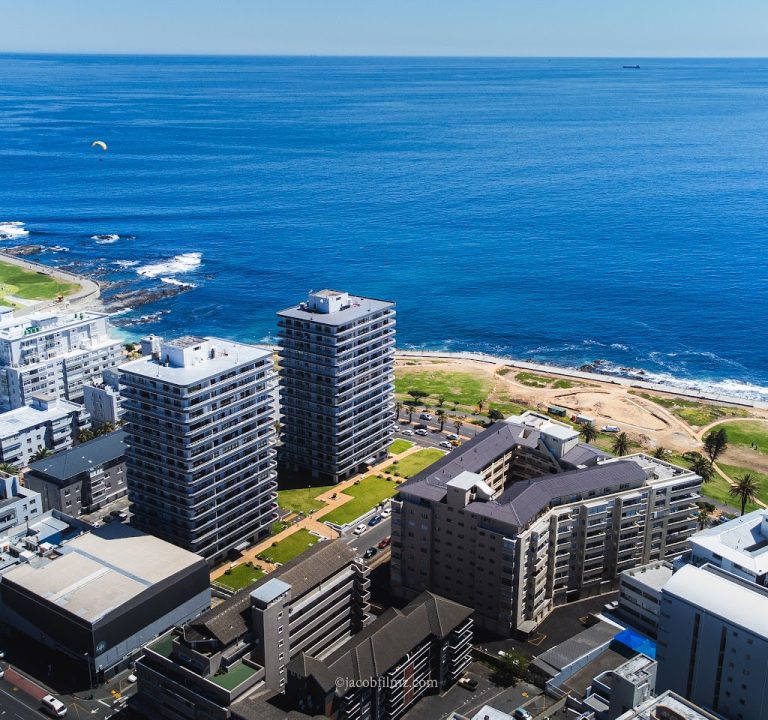
Accommodation and Experiences in Cape Town: Where to Stay and What to Do
Cape Town, set between the Atlantic Ocean and the iconic Table Mountain, offers a vibrant mix of accommodation choices and a wealth of experiences for every traveller. When planning a stay, consider the part of the city that best fits your mood and interests, the amenities you value, and how you plan to get around. From stylish boutique hotels to family‑friendly guesthouses and contemporary lodges, the options cater to a range of budgets and preferences. For a taste of refined comfort with a prime location, hotels such as WunderLux provide a gateway to both sea views and easy access to the city’s highlights. Explore their site at WunderLux to get a flavour of luxury staying in the Mother City.
Neighbourhood choice is key to getting the most from your visit. The City Bowl and central Cape Town offer a compact base with museums, markets, and restaurants within walkable reach. The Atlantic Seaboard, including Camps Bay and Clifton, is ideal for those craving dramatic coastlines, sunsets, and a more resort‑like ambience. For wine lovers and those seeking serene green spaces, Constantia and nearby Constantia Valley provide leafy retreats with easy access to hiking and some of the region’s renowned wine estates. The Waterfront combines harbour views with easy access to ferries and shopping, while leafy suburbs such as Rondebosch and Newlands are convenient for families and university visits. If you want a true local flavour, look for stays in Bo-Kaap or the colourful suburbs around Gardens and Tamboerskloof, which often offer boutique rooms with character and insight into Cape Malay culture.
When booking, look for a few practical features to save time and stress. Proximity to a MyCiTi bus stop or major routes can dramatically cut travel times around the city. If you plan day trips to the Cape Peninsula or nearby nature reserves, a property with easy access to reliable transport or a secure parking option can be worth paying a little extra for. Check for conveniences such as on‑site parking, a well equipped kitchenette or breakfast options, and a responsive reception that can help with local tips and reservations. A comfortable lounge, good lighting, and reliable Wi‑Fi are essential if you plan to work remotely or simply unwind after a day exploring the peninsula.
Typical amenities to expect in well‑regarded Cape Town stays include daily housekeeping, secure access, and attentive staff who can offer personalised recommendations. Some hotels combine this with a spa, a pool, or a rooftop terrace, while guesthouses and boutique hotels often emphasis a cosy, homely atmosphere with intimate common areas. If you’re seeking longer stays, look for self‑catering units or suites with cooking facilities and laundry access. For families, check for interconnected rooms, cribs, or a small play area, while solo travellers may value a communal lounge or organised city walks or foodie experiences offered by the property.
One of the city’s greatest attractions is its breathtaking scenery and the opportunities to pair outdoor adventures with culture and cuisine. You can plan a morning hike up Table Mountain via the Platteklip Gorge route or take a cable car ride when weather permits. A trip to the Cape Peninsula for a scenic drive along Chapman's Peak or to Cape Point provides dramatic coastlines and wildlife spotting opportunities. In parallel, cultural highlights include museums, galleries, and historic neighbourhoods that reflect the city’s diverse heritage. Coastal dining scenes range from casual eateries with fresh seafood to more refined, contemporary restaurants that showcase South African produce with seasonal flavours. Many venues offer ocean views or hillside terraces, perfect for sunset appreciations after a day on the coast.
Practical tips to help you plan your itinerary:
- Best time to visit: Cape Town enjoys a temperate climate with peak sunshine in the austral summer (roughly November to March). Shoulder seasons can offer fewer crowds and pleasant temperatures for outdoor activities.
- Transport: A mix of Uber, ride‑hailing apps, and rental cars works well. If you plan to explore the Cape Peninsula or winelands independently, a car provides maximum flexibility; otherwise, organised tours or hotel shuttles can simplify logistics.
- Safety: As with many major cities, stay aware of your surroundings, especially at night in certain areas. Use well‑lit routes and secure transport options.
- Reservations: Popular restaurants and activities can book up quickly, especially in peak seasons. Consider reserving tables and tours in advance, or ask your accommodation for current recommendations and can script a personalised plan.
- Weather readiness: Coastal winds can be brisk, even on sunny days. Pack layers, a light jacket, and sun protection for outdoor activities.
When you want a curated stay with a touch of luxury or a comfortable, well located base, a hotel or boutique property that balances style with practicality can greatly enhance your Cape Town experience. Mixing days of scenic exploration with evenings of good food, wine, and memorable views creates a multifaceted trip that remains engaging from dawn till night. For inspiration on where to stay within the city’s diverse districts, browse options from reputable hotels and guesthouses, and read recent guest reviews to gauge how well a property delivers on comfort, service, and local insights.
Regardless of where you choose to stay, Cape Town rewards curiosity with a rich blend of landscapes, flavours, and experiences. With thoughtful planning—balancing location, amenities, and transport—you can craft a stay that feels curated, comfortable, and distinctly Cape Town.