Accommodation and experiences in Cape Town, Western Cape
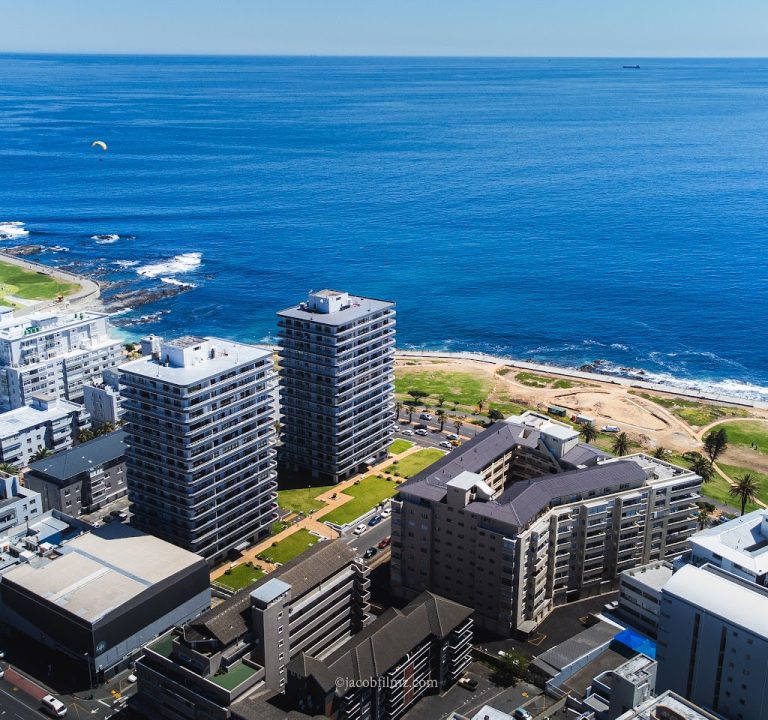
Cape Town offers a rich mix of stay options, from stylish boutique hotels overlooking the Atlantic to family-friendly guesthouses tucked away in leafy neighbourhoods. The city’s setting—tabletop mountains, white-sand beaches, and a vibrant harbour—means you can combine restful, well-appointed accommodation with easy access to a range of attractions and experiences. For a classic stay, consider the seaside neighbourhoods of Sea Point and Camps Bay, the historic character of the City Bowl, or the wine-rich hills of Constantia. A stay at a well-located hotel like The Ritz Hotel in Sea Point provides a comfortable base with convenient access to the Atlantic coast and the city’s main transport routes.
When planning your stay, think about how you’ll spend your days. Do you want mornings by the sea followed by afternoons exploring museums, markets, and cafés? Or are you after hikes, whale-watching viewpoints, and scenic drives along the coastline? Cape Town makes it easy to tailor your itinerary around your accommodation’s location. If time is limited, a central base in the City Bowl or near the V&A Waterfront can reduce travel time between sights, while a beachside base gives a more relaxed holiday rhythm with quick access to coastal trails and sunset strolls.
Accommodation in Cape Town ranges from elegant boutique stays to larger hotels and guesthouses. Typical amenities include en-suite bathrooms, complimentary wifi, tea and coffee facilities, air conditioning or good heating, and, in many properties, on-site dining options, fitness facilities, and secure parking. If you are travelling in peak season, booking early is wise, especially for properties with water views or easy beach access. For families or groups, look for multi-bedroom suites, flexible dining options, and convenient kitchen facilities. For business travellers, consider properties with reliable wifi, quiet workspaces, and easy access to meeting venues and transport links.
Transport in Cape Town is well served by a modern city bus network, ride-hailing services, and scenic coastal roads. The MyCiTi bus system covers many tourist hotspots, while Uber and similar services are widely available. If you plan to explore beyond the city centre—such as table-top mountain viewpoints, penguin colonies, or wine routes—the option of a rental car can add flexibility. Some guesthouses and boutique hotels offer shuttle services or guided experiences, which can simplify planning, especially if you are short on time.
The best time to visit Cape Town is guided by weather and crowd levels. The austral summer (roughly November to February) brings warm days ideal for beaches and outdoor activities, though afternoons can be windy in some coastal areas. Autumn and spring offer mild temperatures and quieter attractions, while winter (June to August) brings cooler conditions with a chance of rain, but still plenty of cultural events and indoor experiences. If your schedule allows, consider shoulder seasons for easier booking and more personalised service at many properties.
Around Cape Town, there are abundant activities to suit diverse interests. Natural highlights include coastal walks with panoramic views, hiking routes that range from easy strolls to demanding climbs, and viewpoints that showcase the city’s dramatic topography. Cultural attractions span major museums, historic districts, and vibrant markets where you can sample local foods and crafts. For dining, Cape Town’s restaurant scene is dynamic, offering everything from casual cafés to refined venues that emphasise seasonal ingredients and regional flavours. If you prefer guided ideas, many hotels and guesthouses can arrange day trips and suggest dining options aligned to your interests and budget.
When choosing accommodation, consider these practical aspects:
- Proximity to your planned activities and transport options
- Sound insulation and room orientation, especially if you value early starts or late nights
- Access to beach or harbour views and outdoor spaces such as balconies or courtyards
- Flexibility with checkout times and breakfast arrangements, if you have an evolving itinerary
- On-site facilities you’ll use, such as a pool, lounge areas, or a fitness room
In terms of neighbourhoods, Sea Point is ideal for walkers who enjoy seafront paths and easy access to the city centre. The City Bowl offers historic charm, close proximity to museums, cafés, and nightlife, and a range of boutique lodging with atmospheric interiors. Camps Bay presents a more resort-style vibe with beach access and scenic sunsets. Constantia, a touch outside the bustle, is perfect for wine-tasting days and leafy tranquillity, with guesthouses and small hotels nestled among vineyard views. Regardless of area, prioritise properties with clear hygiene standards, well-reviewed guest services, and transparent pricing.
For a sample planning approach, fit two or three nights in a central area to explore the waterfront, the Bo-Kaap, and Table Mountain, then schedule a couple of nights in a coastal or wine-district setting to unwind and savour local flavours. Always check recent guest reviews for insights on staff helpfulness, room comfort, and the accuracy of online descriptions. And if you fancy a single source for information and booking ideas, many reputable accommodation providers maintain dedicated pages with area guides and suggested itineraries.
Website examples and inspiration can be found through hotel and guesthouse pages, many of which link to regional tourism portals and partner experiences. For instance, a prominent Sea Point property offers a stylish base with easy sea access and connections to nearby beaches, parklands, and dining options. You can explore more about accommodation and plan your stay at the official site for that property or through trusted travel sites that prioritise verified guest feedback and up-to-date availability.