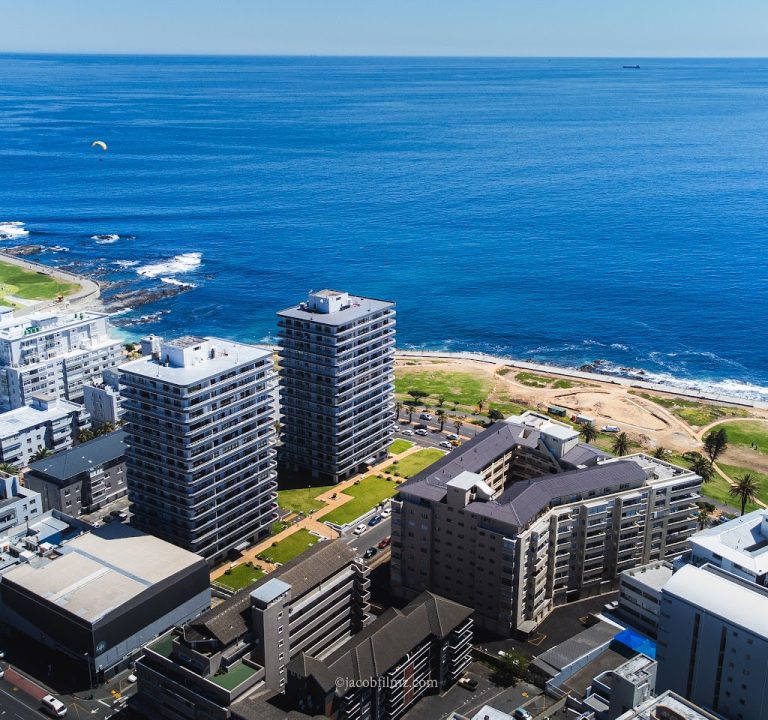
Accommodation and Experiences in Cape Town: Where to Stay and What to Do
Cape Town blends natural beauty with vibrant neighbourhoods, making it easy to tailor a stay that feels both relaxing and adventurous. When choosing accommodation in and around the city, consider what will shape your daily routine: proximity to the waterfront and Table Mountain for iconic views, access to the Atlantic coast for scenery and sunsets, or quieter residential areas that feel more like home away from home. Guest houses, boutique hotels, and self‑catering options each offer a different flavour of stay, from intimate personalised service to spacious comfort with kitchen facilities.
Areas to consider include the historic heart near the city centre, where many boutique properties cluster in leafy streets and within easy reach of galleries, markets, and renowned eateries. The stretch around the harbour offers energy, waterfront walks, and quick access to boat trips and tours. For dramatic scenery and easy coastal drives, the Atlantic Seaboard—comprising popular coastal suburbs—provides seaside住宿 with panoramas of the ocean. If you prefer a more understated vibe, the southern suburbs and the Constantia valley offer leafy lanes, wine-tasting opportunities, and easy access to hikes and nature reserves. When planning, keep in mind that Cape Town’s geography means some routes can be hilly or windy, and travel times vary with traffic, especially at peak hours or during weekend escapes.
What to look for when booking accommodation in Cape Town includes the following practical considerations:
- Accessibility to your planned activities: choose a base that minimizes lengthy transfers if you plan to explore widely in a day.
- Bedroom comfort and privacy: enquire about en-suite facilities, air conditioning or heating, and secure parking if you will be renting a car.
- Kerb appeal and quietness: some guest houses offer tranquil courtyards or rooftop spaces that are perfect for relaxing after a day of sightseeing.
- Facilities that suit your plans: a kitchenette or shared kitchen for self-catering; laundry facilities; reliable wifi; and spaces to store outdoor gear if you plan to hike or surf.
- Safety features and access: ensure front desk support or 24-hour reception, secure entrances, and well‑lit surroundings, especially if you’ll be out after dark.
Typical amenities you might encounter include daily housekeeping, continental or full breakfast options, and friendly local recommendations from hosts who know the best places to watch the sunset, or to sample local seafood and markets. Many guest houses and boutique hotels offer a cosy communal lounge, a small garden, or a pool area with views. If you’re travelling with family or a small group, look for suites or self‑contained units with separate living areas and kitchen facilities. For business travellers and longer stays, inquire about desk space, reliable wifi, and in-room coffee or tea stations.
Transport in Cape Town is usually straightforward, but it helps to plan ahead. A vehicle provides maximum flexibility to reach the city’s many scenic drives and nature reserves, but you can rely on ride‑hailing services, organised tours, and some public transport options for certain routes. If you stay near the city or the Atlantic Seaboard, short rides to major sights are feasible, and many neighbourhoods offer walkable access to cafés, bakeries, and markets. For those who prefer not to drive, you can coordinate day trips through accommodation hosts or trusted tour operators who offer guided hikes, scenic coastal drives, or visits to nearby wine regions in safe, comfortable timings.
The best time to visit Cape Town blends climate with crowd patterns. Spring (September to November) and autumn (March to May) offer mild temperatures, clearer skies, and manageable crowds, which is ideal for sightseeing, hiking, and outdoor eating. Winter (June to August) can be cooler and wetter, but it’s a good period for cosy stays, fewer crowds, and enjoying indoor dining and markets. Summer (December to February) brings longer days and a lively atmosphere, with water activities and popular beaches; it’s wise to book ahead if you plan to stay near busy coastal areas. For wine lovers, day trips to nearby wine estates can be pleasant nearly year-round, though harvest season late summer can be particularly vibrant.
Attractions and experiences in Cape Town can be enjoyed in a flexible, laid-back manner. Classic highlights typically include panoramic viewpoints from high hills, flat coastal walks, botanical gardens with sweeping vistas, and tours that illuminate the city’s complex history and rich cultural fabric. You’ll find a range of restaurants to suit different moods and budgets—from casual seafood shacks with ocean views to refined dining rooms offering modern interpretations of South African flavours. Markets and street food precincts often feature local crafts, baked goods, and fresh produce, providing a flavour of daily life and a chance to mingle with residents and fellow travellers.
Seaviews Guest House, a welcoming option in the area, offers the chance to wake up to harbour or ocean glimpses, with a focus on comfort, thoughtful service, and convenient proximity to key routes. Guests choosing this kind of property can optimise a stay by planning a balance of in-house relaxation with short excursions to nearby trails, viewpoints, and eateries. For the broader Cape Town experience, consider a mix of days in the city’s historic centre, a family-friendly day on the coast, and a day to explore the surrounding winelands or nature reserves. With flexible planning and careful.booking, a stay in Cape Town can be both effortless and richly rewarding, delivering memorable vistas, flavours, and experiences that linger long after departure.