Stay, explore, and savour in Queenstown, Eastern Cape
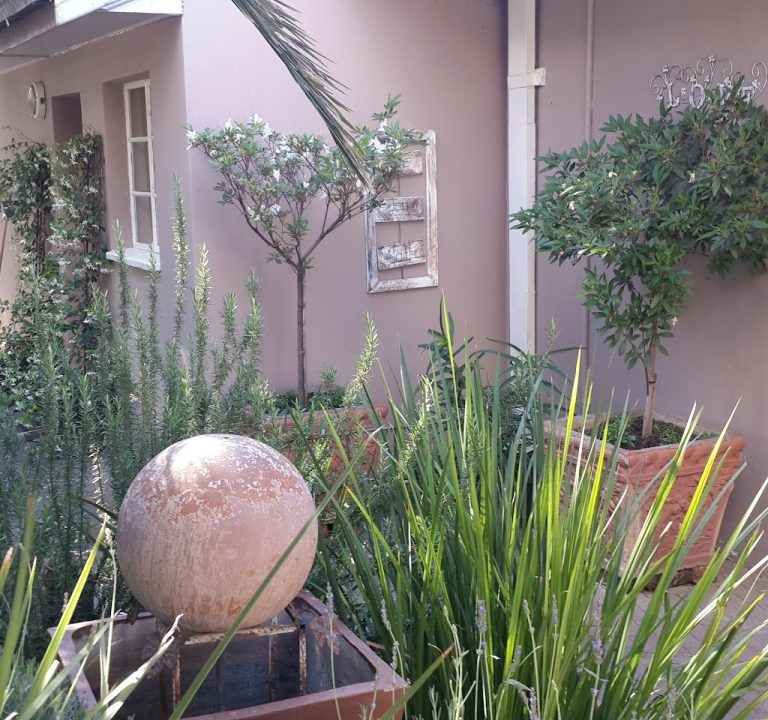
Queenstown in the Eastern Cape is a town that invites travellers to slow down and discover a landscape of rolling hills, open plains and friendly South African hospitality. When planning a stay here, it helps to think about where you want to be based and what kind of experience you’re chasing—from classic B&B charm to modern comfort after day trips to nearby landscapes. A stay at a traditional bed-and-breakfast such as Woodhouse Bed and Breakfast can set a agreeable tone, offering a personalised welcome and a generous breakfast to start your day.
Areas to consider include the historic town centre, where streets carry a sense of the town’s mid-century character, and the surrounding suburbs that may offer quieter mornings and quicker access to rural views. If you prefer a lively atmosphere with a short walk to eateries and museums, look for guesthouses or small hotels in or near the town centre. For those seeking a more tranquil base, rural lodges or B&Bs on the outskirts provide greater privacy, expansive views and easy access to nature trails. When you book, consider how far you are prepared to travel for day trips and whether you’d like a host who can offer local tips on hidden viewpoints, markets or seasonal events.
What to look for when booking is as important as the setting. Key considerations include the size and layout of the property (is there a dedicated lounge or outdoor seating where you can unwind after a day of exploring?), the availability of a guaranteed hot breakfast (a hallmark of many traditional B&Bs), and the flexibility of check-in and check-out times. Check if rooms have en suite facilities, adequate storage, and reliable heating or air conditioning, as Queenstown’s highland climate can vary with the seasons. If you value privacy, look for accommodation that offers separate entrances or self-contained units. For families or groups, request details on family rooms or interconnecting spaces. A host who provides practical information about local transport, walking routes, and safe parking can significantly ease your planning and enable a relaxed stay.
Typical amenities you might encounter include complimentary breakfast, Wi‑Fi, queuing of hot drinks in the mornings, secure parking, and access to outdoor spaces such as verandas or gardens. Some properties offer communal lounges, reading corners, or small libraries with maps and local guides. For travellers who rely on a car, confirm parking availability, distance to town facilities, and whether there are any recommended driving routes to take you to nearby attractions. If you’re aiming to reduce your carbon footprint or simply enjoy a more intimate travel experience, a traditional B&B or a compact guesthouse can provide that personalised touch which larger hotels often miss.
Transport options in Queenstown range from self-drive journeys to limited public transport. The most practical approach for most visitors is to hire a car, which gives you the freedom to visit surrounding landscapes, farms, and viewpoints at your own pace. If you’re not driving, check whether your accommodation offers a shuttle service or can arrange affordable transfers to nearby villages or viewpoints. For longer day trips, discuss suggested routes with your host or staff who frequently know the best pathways and seasonal conditions for rural roads. Remember to keep a map or offline navigation handy, as some rural routes may have spotty mobile reception.
Best time to visit Queenstown depends on what you want from the trip. Summers (November to February) are generally warm and conducive to outdoor activities, markets, and open-air exploration. Winters (June to August) bring crisp air and clear skies, ideal for panoramic views from hills and higher vantage points. If your trip aligns with local cultural or agricultural events, plan ahead and book early, as hospitality tends to fill quickly during busy periods. Regardless of season, choose a base that offers flexible meals or snack options, since many local attractions operate on modest schedules outside peak tourist periods.
Practical tips to help you plan a smooth stay:
- Book early for peak weekends or during local events to secure a comfortable room in your preferred area.
- Ask hosts for recommendations on walking routes that suit your pace and interests—birdwatching, gallery visits, or scenic lookouts are common themes in the area.
- Consider a stay that includes breakfast and a flexible dinner option, which can simplify evenings after a day of exploring.
- Pack adaptable clothing for temperature shifts—mornings can be cool, with warmer afternoons in the sun.
- Bring a camera or ensure your phone has space for memories from viewpoints, parks, and local markets.
Beyond where you stay, Queenstown offers a range of general attractions and experiences to complement your itinerary. Visitors typically enjoy a mix of natural scenery, such as nearby valleys or viewpoints that reveal the surrounding countryside, as well as laid-back town experiences including coffee shops, small galleries, and rural eateries. When planning meals, you can expect a number of casual dining options that focus on hearty South African favourites and farm-to-table ingredients from surrounding communities. For a fuller taste of the region, allow time for a stroll through local markets or community spaces where artisans showcase crafts and produce.
For further inspiration and practical planning, consider checking the regional tourism pages for the Eastern Cape and Queenstown’s immediate surroundings. They provide updated information on accommodation availability, seasonal highlights, and transport tips to help you tailor your visit to your tastes and budget. A well‑chosen base in Queenstown, paired with thoughtful day trips and relaxed dining, can make your stay memorable without the pressure of overwhelming choice.