Exploring Queenstown, Eastern Cape: accommodation, attractions and planning tips
Queenstown in the Eastern Cape offers a laid‑back rural atmosphere with a backdrop of rolling hills, farmland and a sense of history. When planning a stay, travellers typically weigh guest houses, small hotels and self‑catering options that place you within easy reach of the town centre and surrounding countryside. A stay focused on comfort, practicality and genuine hospitality can turn a visit into a relaxed base for exploring the region, with day trips to nearby towns and scenic drives along quiet country roads.
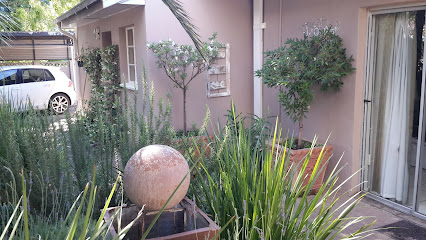
Accommodation in Queenstown ranges from welcoming guest houses to intimate lodges and small hotels. A guest house such as Esperanza Guest House can offer a home‑from‑home feel, with roomy rooms, a shared or private lounge, and breakfast options that showcase local flavours. When selecting a property, look for warm common spaces, reliable hot water, secure parking, clean en‑suite or well‑appointed bathrooms, and clear information about check‑in and check‑out times. It is helpful to confirm whether the accommodation offers on‑site parking, Wi‑Fi capable rooms, and a comfortable workspace if you plan to combine a short break with some remote tasks or planning for day trips.
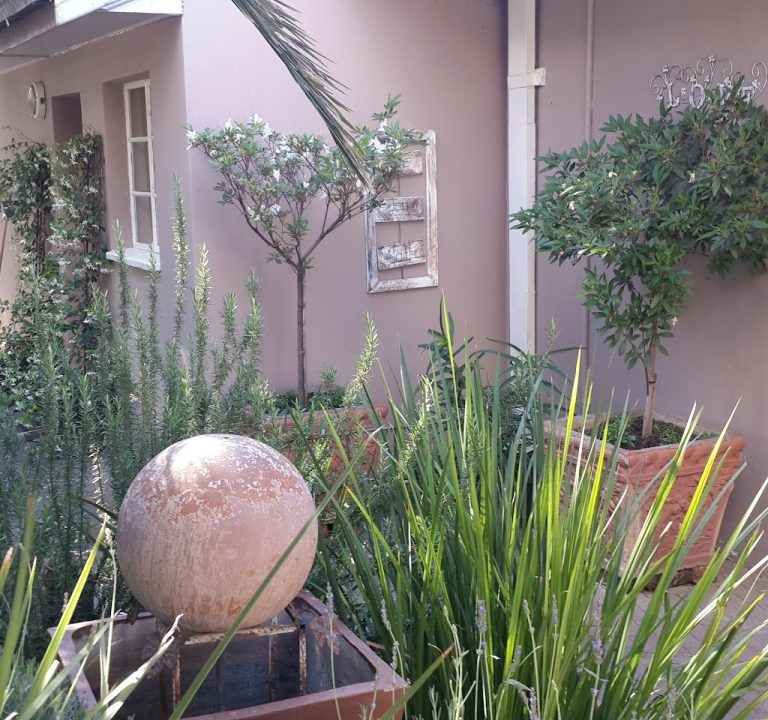
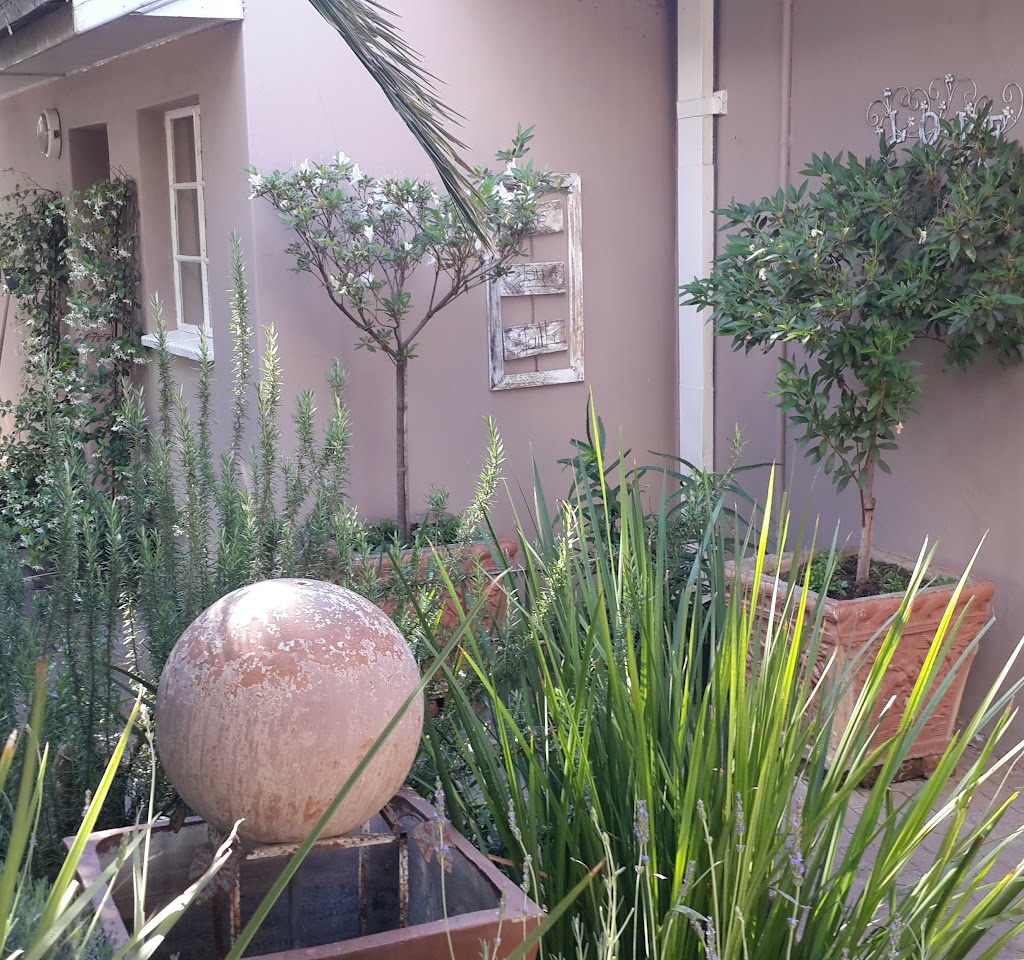
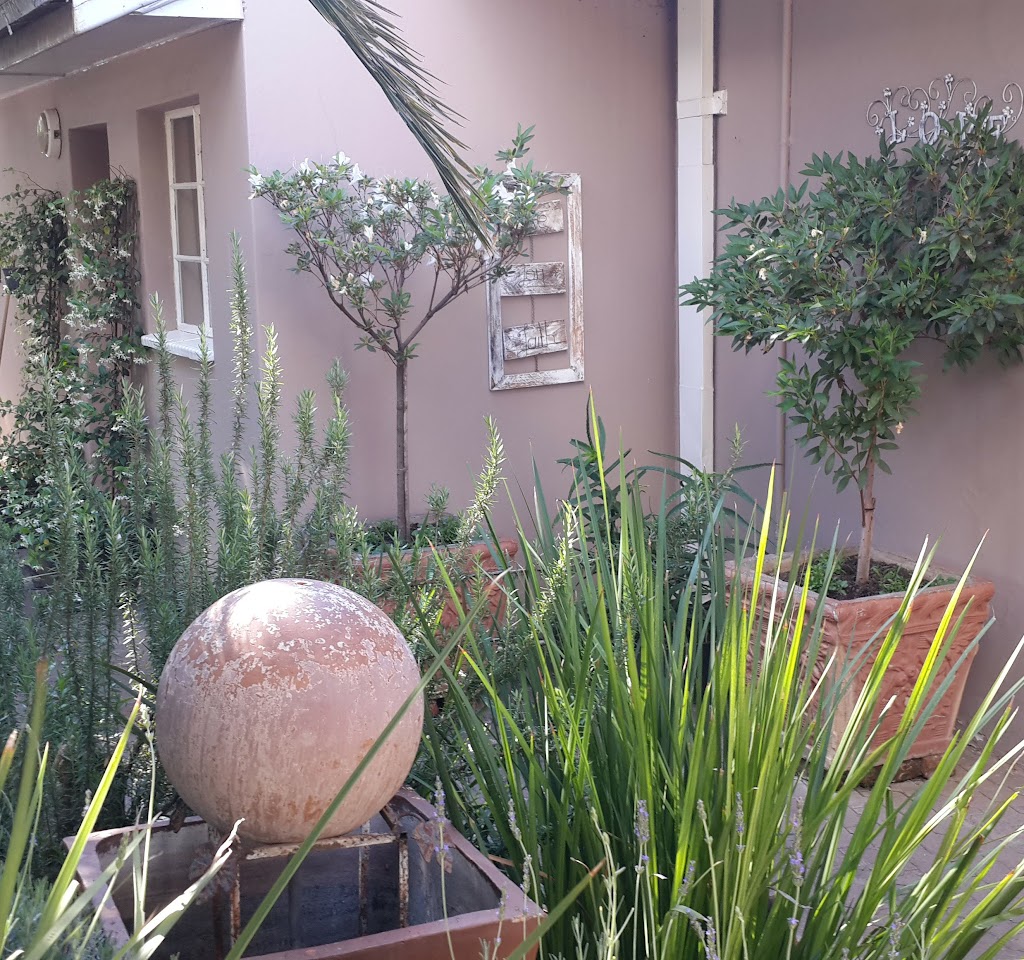
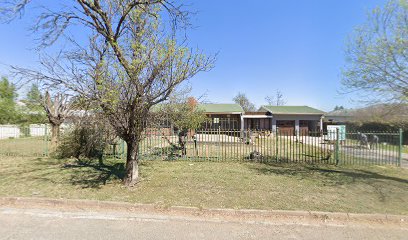
Areas to consider when booking include the town centre for easy access to shops and eateries, the outskirts for a quieter, more rural feel, and hillside or inland areas that deliver broader views and a slower pace. If you want to minimise driving, choose a property within a short walk of cafés, markets and the central high street, then plan day trips by car or organised tours. For travellers who enjoy a scenic setting, look for guest houses with a garden or veranda where you can unwind after a day of exploring the area.
Typical amenities you might encounter include en‑suite bathrooms, breakfast service (often with heartier options in South African guest houses), tea and coffee facilities, daily housekeeping, and in some cases a resident host who can offer local tips. Many properties provide information on local transport links, including taxis, car hire, and bus routes, which can be particularly useful since Queenstown is best explored at your own pace. If you prefer to use public transport, verify how frequently services run and whether a central pickup point is convenient for day trips to surrounding towns or nature reserves.
Transport within and around Queenstown is straightforward but services may be less frequent than in larger cities. Renting a car offers maximum flexibility for visiting surrounding farms, markets, and viewpoints. If you choose to rely on organised tours or private drivers, ask about the typical tour routes, inclusions, and whether pick‑ups from your accommodation are available. For those who enjoy walking, several routes begin in or near the town centre, offering flat, pleasant strolls that are suitable for most fitness levels.
Best time to visit Queenstown tends to align with the local agricultural calendar and a milder climate. Spring and autumn are often comfortable for outdoor pursuits and sightseeing, with summer delivering warmer days that are ideal for countryside drives and markets. Winters are cooler and can be quieter, which some travellers prefer for a peaceful break. As with many South African towns, it is wise to check the local weather forecast and pack layers, plus a light rain jacket for changeable conditions.
When planning an itinerary, consider balancing a couple of longer day trips with relaxed mornings at your accommodation. Within Queenstown itself, you’ll find markets, eateries and historic streets that reveal the town’s character. Nearby, rural routes lead to small townships and scenic viewpoints, offering opportunities to learn about local agriculture, crafts and heritage. If you enjoy nature, look for gentle walks, wildlife‑watching points, and conservation areas that are suitable for a modest daily excursion.
Dining experiences in Queenstown range from casual cafés to family‑run eateries that showcase seasonal produce. In general terms, expect dishes that reflect the region’s farming heritage, with hearty breakfasts and light lunches that help you refuel for a day of exploration. When you dine out, you’ll often discover options that accommodate various dietary preferences and offer a comfortable atmosphere for a relaxed meal after a day on foot or on the road. If you’re staying in a guest house, you may also have the option of a locally sourced breakfast to start your day on a high note before heading out to enjoy the surrounding countryside.
Practical tips for a smooth stay:
- Confirm your arrival and departure times and arrange a late check‑in if needed.
- Ask about parking arrangements and security features at the property.
- Request guidance on local attractions, markets, and nearby viewpoints from your host or front desk.
- Prepare for variable weather by packing versatile clothing suitable for warm days and cool evenings.
- Check the distance to the town centre and plan your day around driving times or walking routes.
- Keep a small cash reserve for markets or smaller eateries where card facilities may be limited.
- Explore local tourism resources online for current event listings, seasonal markets and special exhibitions.
For inspiration and practical planning, you might visit regional tourism pages or property listings to compare amenities, locations and guest reviews. Although specific recommendations depend on availability, Queenstown’s welcoming guest houses and family‑run lodges offer authentic stays that pair well with the area’s rural charm. A well‑chosen base can make it easy to appreciate the landscape, meet local hosts and enjoy the laid‑back pace that characterises this corner of the Eastern Cape. For more ideas and general planning, see the local tourism directory at a reputable travel site.