Exploring Queenstown, Eastern Cape: where to stay, what to do, and how to plan a comfortable visit
Queenstown in the Eastern Cape offers a friendly base for travellers exploring the forward-facing Karoo region while remaining within reach of forests, rivers, and rolling hills. When planning a stay here, a thoughtful approach to accommodation can elevate your experience. Whether you favour a cosy B&B, a guesthouse with character, or a simple lodge with easy access to surrounding scenery, Queenstown can accommodate a range of tastes and budgets. A good starting point is to consider the different areas within the town and the kinds of experiences you want to centre your trip around.
Areas to consider when booking include the town centre, which often provides easy access to shops, eateries and historic streets, and residential neighbourhoods a short drive from the hub, where guesthouses may offer a calmer, more private atmosphere. If you prefer a view, look for lodges or B&Bs perched on higher ground or near water features, which can provide pleasant outlooks and a sense of space. For travellers who plan day trips into the countryside or to nearby parks, proximity to main roads and reliable transport links can be particularly helpful. When researching options, check the host or property’s published policies on parking, meal provisions, and housekeeping to gauge how hands-on you wish the stay to be.
Typical amenities to look for include comfortable beds with quality linens, efficient heating or cooling for the region’s seasonal shifts, private ensuite bathrooms, and reliable Wi‑Fi. Many Bed & Breakfast properties in the area offer a continental or full breakfast, sometimes with home-cooked touches, which can be a convenient start to busy days. A private entrance or seating area, secure parking, and outdoor spaces such as verandas or gardens are often valued by travellers aiming for a restful retreat after excursions. If you anticipate long days of sightseeing, a flexible dining schedule and on-site facilities like a lounge or reading area can be particularly welcome.
Transport is a practical consideration in Queenstown. The town is walkable in many parts, but car hire or drive-yourself options often make day trips more straightforward, given the surrounding landscapes and natural features that are best accessed by road. If you prefer not to drive, check whether your accommodation can assist with transfers or arrange local tours. Public transport within Town and to nearby attractions is limited, so planning in advance is wise. When you arrive, confirm parking arrangements and any limits on overnight street parking to avoid surprises.
The best time to visit Queenstown depends on the activities you favour. The Southern African seasons mean hot summers with afternoon thunderstorms or cooler, drier winters. Spring and autumn can offer comfortable temperatures for walking and wandering through parks and town streets. If you intend to explore more remote areas or enjoy scenic drives, organise daylight hours wisely to maximise visibility and safety. It is sensible to consider seasonal weather variations and pack accordingly, including layers for cool evenings and sun protection for daytime outings.
Nearby attractions and activities tend to be nature-led and low-key, focused on the open landscapes, river scenery, and the chance to observe wildlife in smaller reserves or on the fringes of the town. Visitors commonly enjoy nature walks, riverside strolls, and photography opportunities that capture the region’s subtle beauty. For those who wish to savour local flavours without committing to a long meal, casual eateries and coffee spots frequented by residents provide a taste of daily life in Queenstown. Many visitors also look to markets or small-town experiences to connect with local crafts and produce.
When selecting accommodation, a practical checklist can help: read recent guest reviews for insights on cleanliness, responsiveness, and consistency; verify the breakfast service and what it includes; check the cancellation policy and any seasonal rate adjustments; and confirm what is included in your rate (parking, Wi‑Fi, and access to common spaces). It is also helpful to identify a couple of “home base” options—one aligned with town centre convenience and another with a quieter, more residential setting—so you can switch if your plans change or the weather shifts unexpectedly.
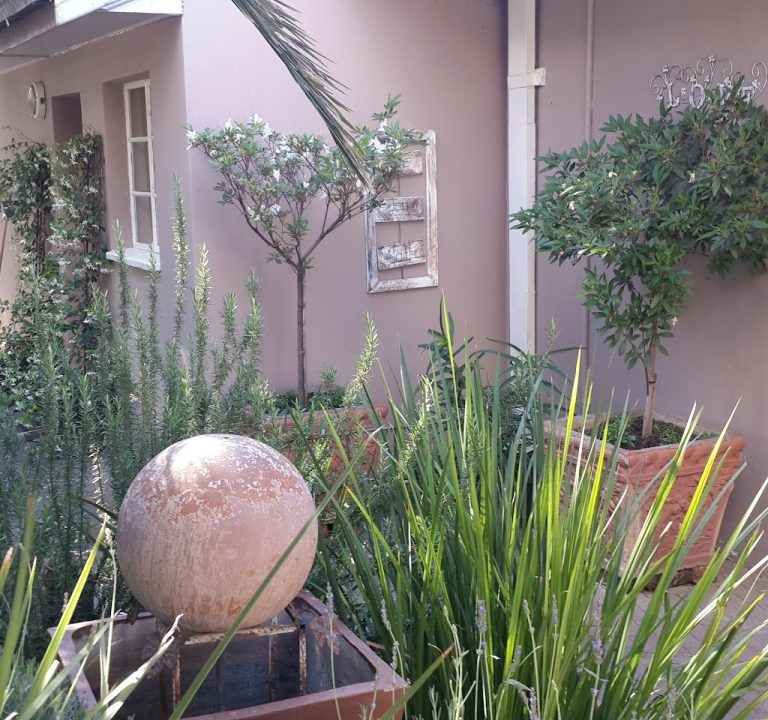
One example of a welcoming stay in Queenstown is Nola’s Bed and Breakfast, a sympathetic choice for travellers seeking a home-from-home experience. Accessible via the property’s website, it can offer a practical base with a personalised touch while you explore the wider region. For those planning ahead, consider bookmarking local hospitality options and reading recent guest feedback to gauge how each property aligns with your preferences, whether you value a robust breakfast, a peaceful garden, or easy access to the town’s streetscapes.
In terms of practical planning for a multi-day visit, map out a few flexible day plans. Keep one day lighter to relax at your accommodation or stroll the town at a leisurely pace, and reserve another day for a scenic drive or a guided nature walk if you enjoy learning about the landscape from a local perspective. Before booking, visit the property’s official page for current information and any seasonal notes. If you prefer a particular vibe—quaint and intimate, or modern and functional—shortlist two or three options and compare what each offers, including any added comforts that can make a difference to your stay.
Queenstown is a friendly gateway to the Eastern Cape’s interior landscapes. With thoughtful planning around where to stay, how you get around, and how you structure your days, your visit can be relaxed, rewarding and memorable. For further inspiration, explore the properties’ official sites and local tourism pages, which can offer practical tips and updates on attractions, dining, and seasonal events, helping you shape a stay that fits your pace and interests.