Where to Stay and What to Do in Cape Town: Practical Guide to Accommodation and Local Experiences
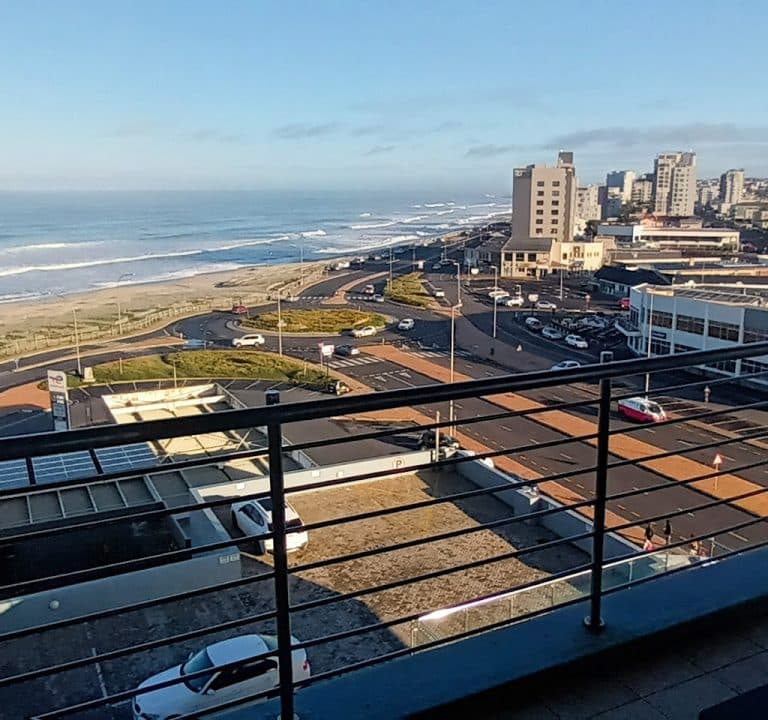
Cape Town in the Western Cape offers a diverse range of places to stay, from modern self-catering apartments to comfortable guesthouses and boutique hotels. When planning a visit, consider the mix of neighbourhoods that suit your style, pace and access needs. A self-catering option such as Witsand 806 can provide flexibility for longer stays or families who prefer a home-from-home setup, with common facilities and the convenience of a kitchen and living area.
accommodation in Cape Town is often dictated by location and access. If you want to minimise daily travel time, choose a base near the city centre or the Atlantic Seaboard, where many apartments and guesthouses offer sea views and easy access to beaches, cafés and markets. For a more historic feel and quieter evenings, consider the Bo-Kaap area, the De Waterkant neighbourhood, or the leafy suburbs such as Newlands and Constantia, where you’ll be closer to nature trails and wine estates.
What to look for when booking a place to stay:
- Location and access: proximity to MyCiTi routes or reliable road connections for day trips.
- Self-catering facilities: a well-equipped kitchen, fridge space, and convenient laundry options can save time on longer stays.
- Comfort and privacy: adequate heating or cooling, good quality bedding, and clear noise levels for restful nights.
- Safety and security: secure entrances, in-room safes, and a trusted neighbourhood feel.
- Guest services: on-site hosts or a responsive management team, cleaning schedules, and practical local tips.
Typical amenities you might encounter include free Wi‑Fi, off-street parking, linen and towels, and access to communal terraces or balconies. In some self-catering properties, you may find gas or induction cooking facilities, a dishwasher, and occasionally a small welcome basket. Always check cancellation policies and house rules before booking, since these vary from property to property.
Transport and getting around are practical considerations in Cape Town. The city is best explored with a mix of planning and flexibility. If you’re staying in or near the central districts, walking and short rides on rideshare platforms or taxis can be convenient for evenings out. For longer day trips to the Cape Peninsula, Cape Point, or the winelands, renting a car offers the most freedom. Public transport exists, but services can be less frequent outside peak city centre areas, so planning ahead is wise.
Seasonality is another key factor to factor into your plans. The climate in Cape Town features warm, dry summers and mild, wetter winters. Peak visitor months often align with school holidays and favourable beach weather, while wind and rain can influence outdoor plans in winter. Spring (September and October) can be particularly pleasant, with blooming scenery and fewer crowds, but conditions vary year to year. If you’re keen on sea swimming or long coastal walks, check local weather patterns and wind forecasts in advance.
When planning an itinerary, think in terms of a mix of nature, culture and food. Iconic natural attractions are best enjoyed with early starts to avoid crowds and afternoon heat. The mountains and coastline offer scenic viewpoints, hiking trails, and opportunities for wildlife spotting on land and sea. For cultural insight, consider a day dedicated to museums and historical sites, paired with a stroll through vibrant street markets or neighbourhood cafés where you can experience local flavours in a relaxed setting.
Dining and nightlife in Cape Town range from casual cafés to refined restaurants. In general terms, you’ll find seafood-centric menus, modern South African interpretations, and global cuisines. It’s common to find set menus or taster options to sample a range of flavours, along with wine-pairing suggestions that highlight the nearby Constantia and Stellenbosch regions. When choosing dining spots, look for places with clear accessibility options, friendly service, and a focus on fresh, seasonal ingredients.
Practical tips to help you maximise your stay:
- Book in advance for peak seasons, but leave some flexibility for spontaneous days of exploring.
- Pack layers and a reliable rain jacket, even in summer, because coastal weather can change quickly.
- Bring a universal power adaptor if you’re visiting from overseas; many properties provide basic kitchenware and electronics charging facilities.
- Respect local customs and safety guidelines, particularly when exploring urban markets or historic sites after dark.
- Check accessibility options if you have mobility needs; some properties specialise in accessible features and easy access layouts.
Before you travel, it helps to have a flexible plan that balances time outdoors with rest moments back at your accommodation. Cape Town rewards careful planning: a well-chosen neighbourhood, a comfortable self-catering base, and thoughtfully timed days can yield a memorable stay short on stress and long on discovery. Whether you’re following a coastal trail, sampling regional wines, or simply watching the sunset over a dramatic horizon, the city offers a welcoming base for a varied South African coastal escape.