Accommodation and Experiences in Cape Town: Planning Your Stay in the Mother City
Cape Town is a city of striking contrasts and easy daily feasibility, where a relaxed sabbatical by the sea sits alongside animated urban life. When planning a stay, travellers often weigh coastal lanes, hillside viewpoints, and vibrant neighbourhoods to determine where to lay their heads. From boutique guesthouses to contemporary lodges and self‑catering apartments, the best choice depends on what you want to do, how you like to travel, and how much time you have to explore.
Areas to consider rest on different vibes. The City Bowl offers proximity to museums, eateries, and the harbour, with leafy streets and well‑placed access to the Cableway for sweeping views of Table Mountain. The Atlantic Seaboard, including Camps Bay and neighbouring areas, is famous for its sunsets, fine beaches and stylish dining. Green Point and the V&A Waterfront provide easy access to shopping, bars, and cultural touches, while Bo‑Kaap adds colour and history just a short stroll from harbour corridors. For wine lovers, Constantia Valley provides an oasis of vineyard lodges and day trips into neighbouring wine routes. When choosing a base, consider how you will get around: are you happy to rely on rideshares and public transport, or would you rather have a car for day trips to the Cape Winelands, Cape Point, or tidal beaches at windier times of year?
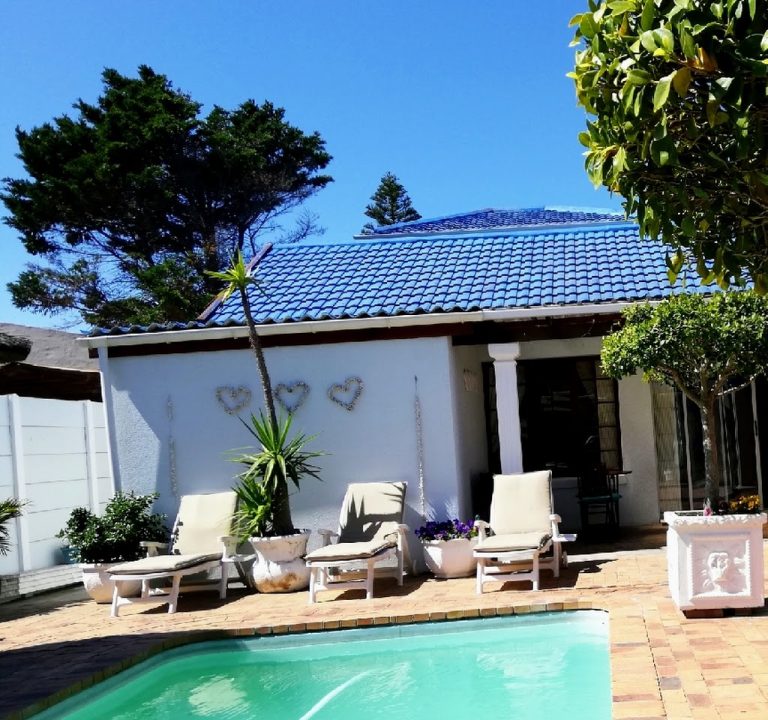
Typical amenities in good Cape Town properties tend to include comfortable beds with quality linen, en‑suite bathrooms, reliable Wi‑Fi, and well‑equipped kitchens or tea/coffee stations. Many lodgings offer both fixed and flexible check‑in times, as well as curated local information, maps, and restaurant recommendations. If you value a sea view, a balcony or terrace, and thoughtful touches such as a pool or sun loungers, these are commonly found in boutique guesthouses and lodges along the Atlantic coast. For families or groups, look for quiet apartments with a separate living space, parking, and easy access to beaches or parks. If you’d like a more intimate, home‑from‑home experience, a well‑run B&B or guesthouse can offer personalised service, a light breakfast, and inside knowledge about the best cove coves and cliff walks nearby.
Booking considerations can help you feel confident about your stay. First, check room configurations to match your group size and privacy needs. Second, read cancellation policies and housekeeping schedules—some properties offer flexible cancellation windows or mid‑week cleans that keep everything fresh during longer stays. Third, assess the accessibility of public transport and walkability to major sights or dining hubs. If you plan early morning excursions up Table Mountain or to coastal viewpoints, consider a property with easy access to safe walking routes, a reliable security presence, and ample parking if you travel by car. Finally, verify whether the accommodation includes essentials like secure storage for valuables, a well‑equipped kitchen, or a minibar with local snacks that capture the city’s flavours.
Transport in Cape Town is varied and practical. The inland MyCiTi bus network covers many tourist zones, while Uber and other ride‑hailing services are widely available. Some locations offer on‑site parking or private driveways, which can be a relief for those with rental cars. If you plan long day trips, arrange a vehicle for the day or sign up for a guided tour that includes transport. Walking is rewarding in areas like the Waterfront, the historic neighbourhoods of the city centre, and the slopes around the peninsula, but be mindful of heat in summer and chilly winds in winter.
Best time to visit Cape Town is shaped by weather and crowd patterns. The summer (November to March) is warm and ideal for beaches and outdoor activities, though popular sites can be busy on weekends. Shoulder seasons in spring (September to November) and autumn (April to May) offer milder temperatures and quieter streets, with opportunities to enjoy gardens, markets, and hiking trails without the peak‑season bustle. Winter (June to August) brings cooler, wetter weather and calmer beaches, which can be perfect for off‑season escapes, whale watching in the bay, and enjoying Cape Town’s cosy eateries and wine‑bar scenes.
When exploring attractions and dining, plan a mix of iconic sights and local discoveries. Naturally, you’ll hear about dramatic coastal cliffs, rugged peninsulas, and verdant wine valleys, but equally satisfying are quieter beaches, harbour‑side walks, and hidden lanes with regional eateries and coffee spots. You’ll find a spectrum of dining options—from casual seafood shacks with view decks to refined bistros offering local produce and global influences. General advice is to reserve ahead for popular times, particularly in peak season, and to explore neighbourhoods on foot to discover small, specialist shops and cafés that capture the character of the city.
Practical tips to help you make the most of your stay: pack for temperature shifts between day and night, especially on the coast; bring sun protection and a light layer for sea breezes; and check water usage advisories if you’re visiting during drier months. For a balanced itinerary, combine a few nights near the waterfront with a couple of days in a hillside or inner‑city district to access parks, viewpoints, and vibrant markets. If you’re considering a stay in Cape Town, you’ll find a rich tapestry of accommodation options and experiences that can be tailored to any travel style. For practical planning and inspiration, you might start with the official tourism resources to map out day trips and routes that capture the best of the region’s scenery, culinary scene, and cultural heritage. Capetown.travel can be a helpful resource as you design your itinerary and select an area that suits your pace and interests.