Where to Stay in Cape Town: Accommodation, Planning and Local Highlights
Cape Town sits at the meeting point of mountains, sea and culture, making it a diverse destination for travellers seeking a memorable stay. Whether you prefer a stylish apartment overlooking the Atlantic, a boutique guesthouse in a leafy suburb, or a lodge perched near the Cape’s famous viewpoints, you will find options that suit different budgets and travel styles. The city also has a growing range of visitor-friendly experiences that can be woven into a relaxed itinerary alongside your chosen lodging.
When choosing where to stay, it helps to start with the area. The Atlantic Seaboard offers dramatic coastal views, sandy beaches and a cosmopolitan vibe, with quick access to seafood restaurants and cafés. The City Bowl places you close to museums, markets and historic architecture, with easy access to hills and harbour views. Constantia is perfect for those seeking a quieter, greener base near wine routes and fine dining. Green Point and the V&A Waterfront suit visitors who want convenience for daily exploring and easy transport links. Camps Bay and nearby towns provide a more resort-like atmosphere with a long beach experience. Consider your preferred pace: whether you want smoothed daily routines or a base from which to explore the wider Western Cape countryside and winelands.
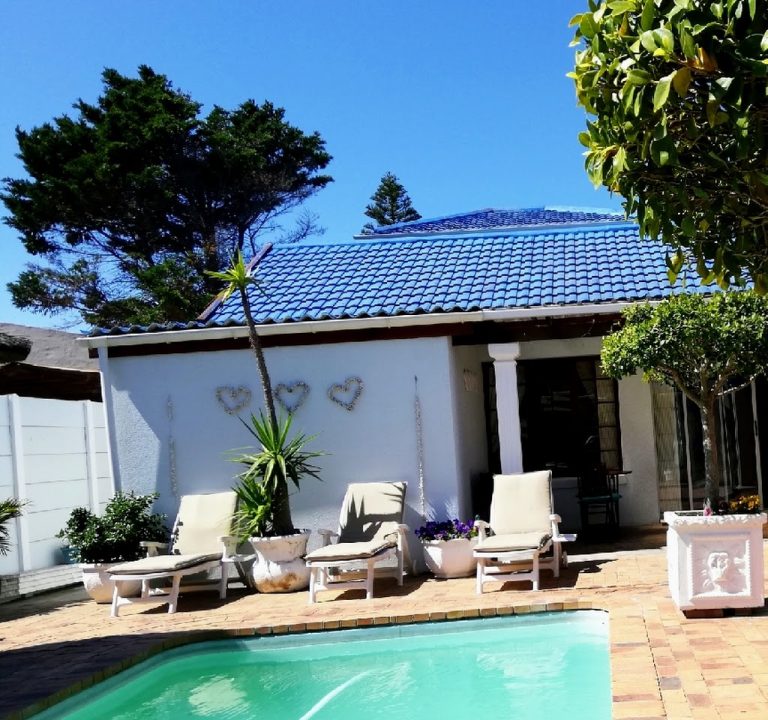
Coral Eighteen, a lodging option within the city’s diverse portfolio, exemplifies how many guests balance comfort with accessibility. A well-chosen property in Cape Town can offer features such as private or shared spaces, reliable Wi‑Fi, kitchen facilities, on-site parking, and security arrangements. When you plan, think about what you value most—space for work or study, easy access to transportation, parking for a rental car, or proximity to nightlife and markets—and let that guide your booking choices.
Typical amenities to look for include secure entry, reliable Wi‑Fi, a well-equipped kitchenette or kitchen area, climate control or good heating in winter and cooling in summer, and clear information about check-in procedures. Some guests appreciate serviced options or properties with a light breakfast offering, while others prefer self-contained units for maximum privacy and flexibility. If you rely on public transport, verify proximity to MyCiTi bus stops, train lines, or Uber access. If you plan day trips to the Cape Winelands, the Cape Peninsula or the peninsula’s nature reserves, choosing a base with parking and good road access can save time and stress.
Peak visitor months go from late spring to early autumn in South Africa (roughly October to March). During these months, Cape Town enjoys longer days and warm seas, but popular spots can be busy and prices may rise. Shoulder seasons—autumn and early spring—often offer milder crowds and more comfortable temperatures for sightseeing, hiking, and photography. If you are flexible, booking a little ahead for major events or holidays can help secure better rates and more room options. If your stay includes hiking or outdoor activities, pack flexible clothing, sturdy shoes, and sun protection as the weather can shift quickly from crisp mornings to warmer afternoons.
Getting around Cape Town is straightforward, though planning helps. A rental car provides the most freedom to explore the surrounding areas—the Cape Peninsula, Cape Point, or the Constantia wine route—but it is not essential for a city-based stay. Many travellers enjoy the convenience of rideshare services or local buses for urban excursions. The city is well served by walking in walkable districts, which makes exploring markets, cafés, and small galleries enjoyable on foot. If you intend to venture to the most scenic spots, consider joining a guided day trip or arranging a driver for a few hours to maximise your time without worrying about navigation.
What to do beyond your room varies with interest. You can spend mornings wandering the markets, beaches and waterfront promenades, followed by afternoons visiting museums, galleries and historic districts. For nature lovers, the surrounding area offers iconic viewpoints, rugged coastline walks, and the chance to see a Republic of the Cape’s natural beauty from various vantage points. For dining, Cape Town’s restaurant scene ranges from seafood and tapas to modern South African cuisine, with many establishments focusing on fresh, seasonal ingredients. In a city famed for its scenery, it is common to combine a scenic drive with a meal and a walk along a beach or harbourfront to savour the ambience of coastal living.
Practical tips to help you plan a smooth stay:
- Check the proximity to the places you will visit most, and assess the convenience of getting back to your lodging after a day out.
- Ask about parking, security arrangements, and access to public transport when booking, especially if you plan to rent a car.
- Read guest reviews for insights on noise levels, housekeeping, and the responsiveness of staff or hosts.
- Confirm what amenities are included, such as kitchen facilities, laundry, and comfortable workspaces if you need to work during your trip.
- Consider a flexible cancellation policy in case your plans change, especially if you are visiting during peak seasons.
For a well-rounded stay, blend your accommodation choice with a mix of local experiences: street markets, harbour walks, and scenic drives, balanced with relaxed mornings on a balcony or courtyard and evenings exploring the city’s diverse dining scene. Cape Town rewards travellers who plan with time for discovery—whether you are chasing dramatic scenery, quiet green spaces, or a vibrant urban pulse. With careful selection of where to stay and how to move around, you can tailor a visit that feels both easy and enriching.